Three Mile Island seeks a new chapter in nuclear energy

Pennsylvania’s Three Mile Island plant, site of the 1979 nuclear meltdown, is set to resume operation as Constellation Energy partners with Microsoft to meet rising electricity demands.

Rebecca F. Elliott reports for The New York Times.


In short:

  • Constellation Energy plans to restart the undamaged reactor at Three Mile Island by 2028 with Microsoft committed to purchasing its electricity for 20 years.
  • This revival signals a shift as tech giants back nuclear energy to meet increasing power needs while aiming to decarbonize.
  • Financial and logistical challenges remain, as the nuclear industry faces high costs, past delays, and regulatory complexities.

Key quote:

“It’s an industry with a really substantial burden of proof based on all of the disappointments — all of the very expensive disappointments.”

— Peter A. Bradford, former Nuclear Regulatory Commission member

Why this matters:

With U.S. energy demands on the rise, nuclear power presents a low-carbon option amid growing climate concerns. However, its success depends on overcoming historical setbacks, addressing waste storage challenges and ensuring projects meet budget, safety and timeline goals.

A small stream flows through rocks and melting snow

Climate damage already ‘locked in’ – but these 10 insights show our future is still being decided

From rising sea levels to food systems fuelling climate change – experts have laid out 10 insights that require urgent action.
Enlarged photo of a mosquito on human skin

What impact will climate change have on malaria?

More than 600,000 people die from malaria every year. Will climate change make this worse?
A view of a forest with smoke hovering above it

How do wildfires affect lakes?

Canada has more lakes than any other country, and nearly every one has been impacted by wildfire smoke. Scientists want to know what that means.

A view of a long buffet table with silver trays and plates of food

There’s a complicated gap between our values and what we actually eat, research shows

A large-scale study of food orders at German university cafeterias suggests that climate, health and animal welfare labels aren’t enough to produce long-term shifts in purchasing behavior.
Solar panels standing in a grassy field

USDA finalizes changes that could end support for solar on farms

Farmer and environmental groups are suing to stop the changes to the Rural Energy for America program.

A view of solar panels in a desert setting

Solar panels have a surprising side effect: Stopping dust storm

In a first, researchers realistically calculated how solar farms in the Gobi Desert improve air quality in northern Chinese cities.

A sign that says Port of Los Angeles

A rising sea and the toxic tides that could be unleashed

There's been progress in cleaning up L.A.’s ports, but they remain the region’s biggest polluter — and residents feel it most acutely.
From our Newsroom
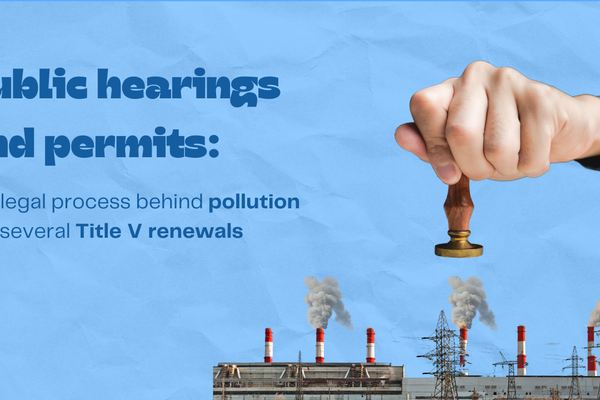
Multiple Houston-area oil and gas facilities that have violated pollution laws are seeking permit renewals

Multiple Houston-area oil and gas facilities that have violated pollution laws are seeking permit renewals

One facility has emitted cancer-causing chemicals into waterways at levels up to 520% higher than legal limits.

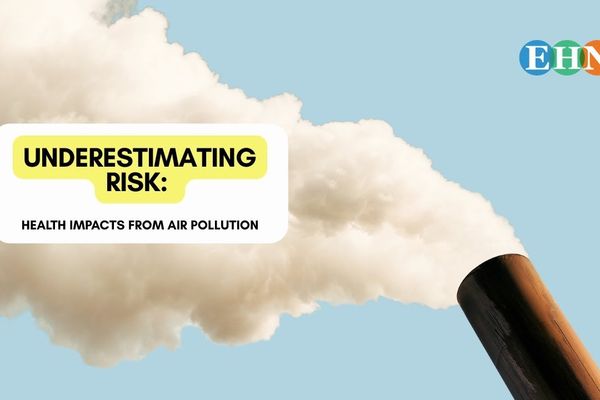
Regulators are underestimating health impacts from air pollution: Study

Regulators are underestimating health impacts from air pollution: Study

"The reality is, we are not exposed to one chemical at a time.”

Pennsylvania governor Josh Shapiro speaks with the state flag and American flag behind him.

Two years into his term, has Gov. Shapiro kept his promises to regulate Pennsylvania’s fracking industry?

A new report assesses the administration’s progress and makes new recommendations

silhouette of people holding hands by a lake at sunset

An open letter from EPA staff to the American public

“We cannot stand by and allow this to happen. We need to hold this administration accountable.”

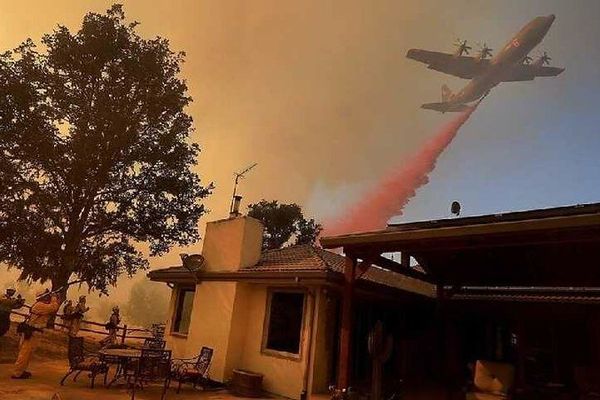
wildfire retardants being sprayed by plane

New evidence links heavy metal pollution with wildfire retardants

“The chemical black box” that blankets wildfire-impacted areas is increasingly under scrutiny.

Stay informed: sign up for The Daily Climate newsletter
Top news on climate impacts, solutions, politics, drivers. Delivered to your inbox week days.