A person making a protest sign that says There is No Planet B.

Trump administration proposal to revoke key climate finding draws criticism from scientists

The Trump administration moved to undo the legal basis for U.S. climate rules, citing disputed science that researchers say misrepresents decades of evidence linking greenhouse gases to rising global temperatures.

Chelsea Harvey and Scott Waldman of E&E News provide a fact-check on some of the claims made in the EPA's proposal.


In short:

  • The proposal targets the U.S. Environmental Protection Agency's 2009 endangerment finding, which underpins federal limits on greenhouse gas emissions.
  • Critics say the administration’s justification relies on fringe studies, cherry-picks data, and downplays well-documented links between fossil fuels and warming.
  • Scientists note that climate models and observational data consistently show human-caused warming and increasing risks from extreme heat, floods, and other disasters.

Key quote:

“This is a general theme in the report; they cherrypick data points that suit their narrative and exclude the vast majority of the scientific literature that does not.”

— Zeke Hausfather, climate scientist at Berkeley Earth

Why this matters:

The endangerment finding is the foundation for most U.S. climate policy, including limits on carbon emissions from vehicles and power plants. Overturning it would remove the government’s legal obligation to regulate greenhouse gases, reshaping climate efforts domestically and abroad. The debate also highlights how political pressure can distort established science. Evidence from decades of research shows human activity is warming the planet, driving sea level rise and extreme weather that already harms communities and economies. Weakening federal recognition of these risks could stall adaptation and increase costs of future disasters, leaving vulnerable populations — particularly the elderly, children, and low-income households — exposed to greater health and safety threats.

Learn more: Architect of EPA's 'endangerment finding' warns about consequences of Trump administration's repeal


A man wearing a business suit riding his bike to work

Encouragement boosts people’s likelihood to take climate action

Framing climate action as “doing more good” instead of “doing less bad” makes people more willing to act and feel better about it, a study finds.
A stack of particle board viewed from the side

A climate case for turning farm waste to building materials

Wheat straw and rice husks already appear in niche construction products. A new study explores the global climate effects if they went mainstream.
Child sitting in a doorway and looking down at the ground

The world has pledged to triple climate financing for poorer countries. Is the UK about to U-turn?

The UK has been warned that cutting climate financing for poorer countries would be an “act of self-harm” that would hinder its global influence and damage food security.

The blue and white Energy Star logo sticker

Energy Star program survives Trump administration's budget cuts

Energy Star, the program that helps guide consumers to more energy-efficient appliances and electronics, has survived President Donald Trump’s attempt to kill it.
An aerial view of a nickel mining operation

Canadian nickel mine’s plan to store carbon in waste rock

The Crawford Nickel mine outside Timmins, Ontario, is receiving millions of public dollars to figure out how to lower greenhouse gas emissions.

A row of solar panels with the city of Shanghai in the background

China to see solar capacity outstrip coal capacity this year

The China Electricity Council says that, by the end of 2026, wind and solar will account for nearly half of China’s power capacity.

A tin hut with a small solar panel on the roof

Solar energy gains ground across Africa, but challenges persist

Solar power is expanding rapidly across Africa, with some countries now generating a significant share of electricity from the sun, but energy poverty, battery risks and rising costs threaten future growth.
From our Newsroom
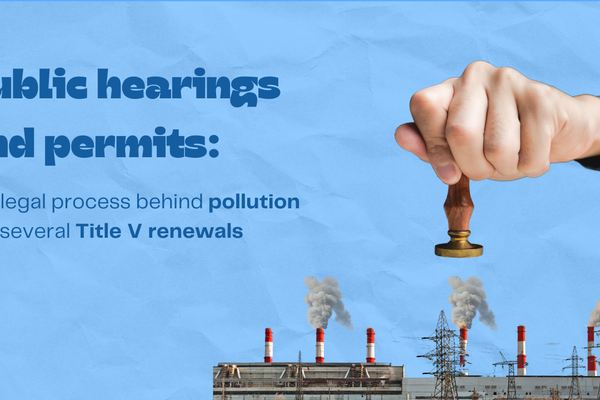
Multiple Houston-area oil and gas facilities that have violated pollution laws are seeking permit renewals

Multiple Houston-area oil and gas facilities that have violated pollution laws are seeking permit renewals

One facility has emitted cancer-causing chemicals into waterways at levels up to 520% higher than legal limits.

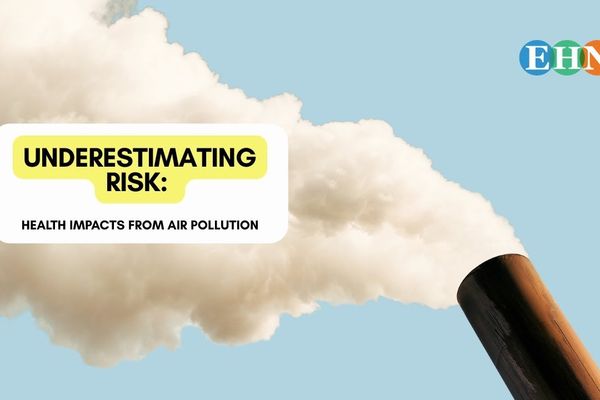
Regulators are underestimating health impacts from air pollution: Study

Regulators are underestimating health impacts from air pollution: Study

"The reality is, we are not exposed to one chemical at a time.”

Pennsylvania governor Josh Shapiro speaks with the state flag and American flag behind him.

Two years into his term, has Gov. Shapiro kept his promises to regulate Pennsylvania’s fracking industry?

A new report assesses the administration’s progress and makes new recommendations

silhouette of people holding hands by a lake at sunset

An open letter from EPA staff to the American public

“We cannot stand by and allow this to happen. We need to hold this administration accountable.”

wildfire retardants being sprayed by plane

New evidence links heavy metal pollution with wildfire retardants

“The chemical black box” that blankets wildfire-impacted areas is increasingly under scrutiny.

Stay informed: sign up for The Daily Climate newsletter
Top news on climate impacts, solutions, politics, drivers. Delivered to your inbox week days.