Environmentalists are struggling, but their struggle isn’t unique to the Trump administration

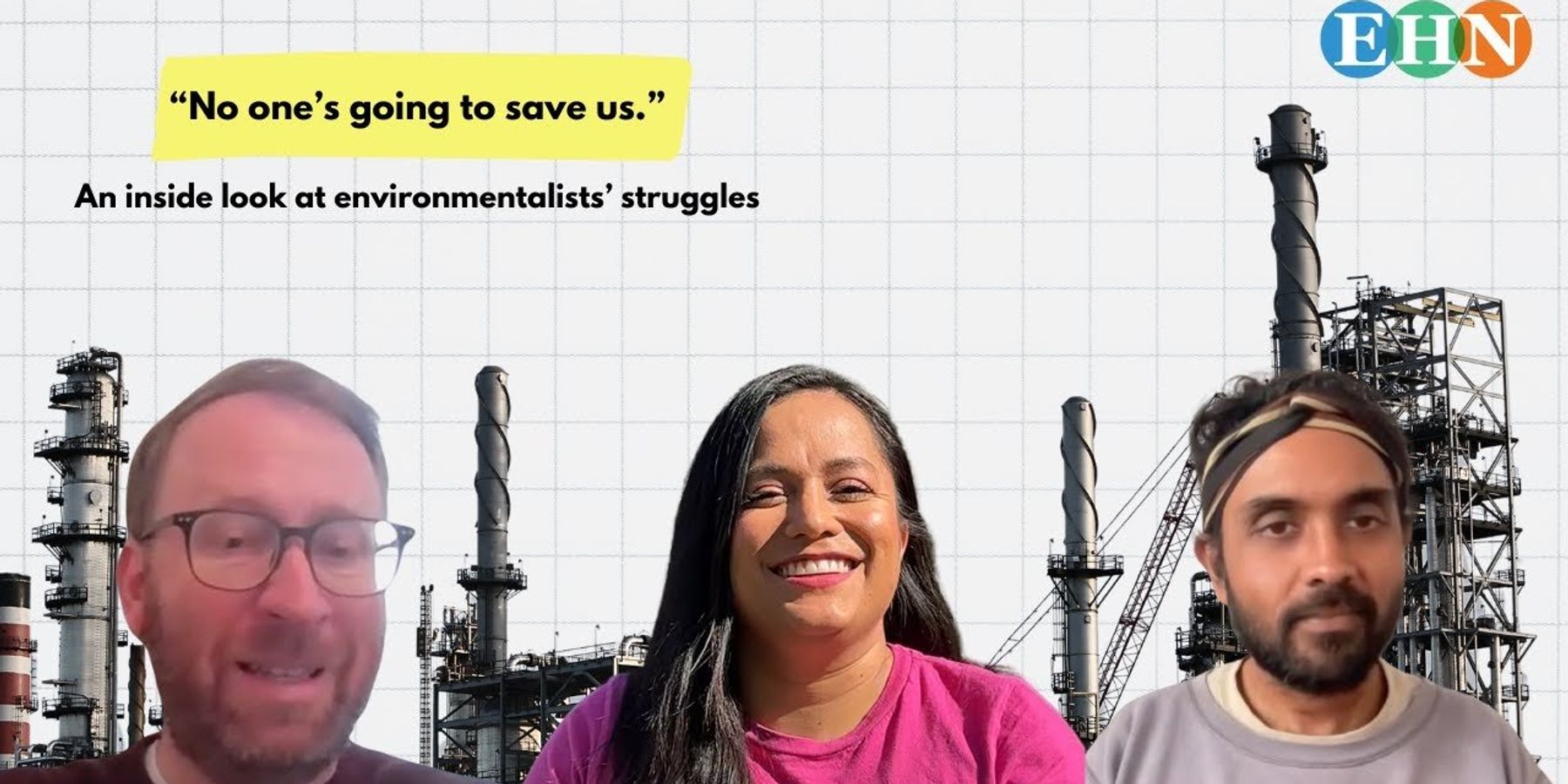
“No one is going to save us.”

It’s a difficult time to be an environmental advocate. On his first day as president, Trump reversed most of the Biden administration’s climate policies with a series of executive orders. Since then, the administration has frozen funding for clean energy projects and community climate grants, and put most of the U.S. The Environmental Protection Agency’s office of environmental justice staff on administrative leave, and rolled back key environmental protections.

Trump also declared an “energy emergency” and established a council to increase domestic energy production with a focus on fossil fuels. For many communities that will be impacted, including those in the “energy capital of the world” along the Houston Ship Channel, environmental and social issues are recurrent, and not a singular product of the administration change. But advocates are worried about decreased public health protections amidst the continued operation and expansion of fossil fuel facilities with poor environmental track records in their communities.

For an inside look at how environmental advocates on the ground are navigating this shifting landscape, EHN interviewed three environmentalists: Erandi Treviño with the Raíces Collaborative; Shiv Srivastava with Fenceline Watch from Houston, Texas; and Luke Metzger with Environment Texas, who works throughout the state.

A box full of potatoes

In new attack on solar, lawmakers spread myths about potato farms

Misinformation about renewable energy fuels local pushback to proposed energy installations and could threaten farmers’ livelihoods.
An aerial view of building construction

Black Miami is on the frontline of climate displacement

What used to be the “wrong side of the tracks” is now the city’s climate escape route, and Black residents are being pushed off the path they built.
Woman with personal fan on a hot day

U.S. Rep. Dina Titus pushes extreme heat bill ahead of summer

Republican U.S. Rep. Greg Stanton of Arizona and Democratic U.S. Rep. Dina Titus have cosponsored the Extreme Weather and Heat Response Modernization Act — a bill that would allow the president to declare extreme heat a major disaster.

A maintenance worker installing solar panels

Is Europe's heatwave bad news for renewables?

Soaring temperatures can actually hinder some kinds of renewable energy output, even sun-absorbing solar.
The interior of a barn with black and white cows eating hay

Report accuses corporate dairy of ‘greenwashing’

A report found that the world's largest meat and dairy companies, including some with Wisconsin ties, have made exaggerated climate claims.
A view of solar panels with wind turbines and mountains in the background

Clean energy saved EU €51 billion in 2025 by cutting fossil fuel imports

Investing in renewables has ensured greater energy security at a moment when the war on Iran is destabilizing supplies and forcing up costs.

Wall-mounted power storage unit - whole-house battery concept

The household battery revolution that could change energy bills … and the world

Australia is pioneering a revolution in home renewables and battery use, proving what is possible with the right policies.

From our Newsroom
Multiple Houston-area oil and gas facilities that have violated pollution laws are seeking permit renewals

Multiple Houston-area oil and gas facilities that have violated pollution laws are seeking permit renewals

One facility has emitted cancer-causing chemicals into waterways at levels up to 520% higher than legal limits.

Regulators are underestimating health impacts from air pollution: Study

Regulators are underestimating health impacts from air pollution: Study

"The reality is, we are not exposed to one chemical at a time.”

Pennsylvania governor Josh Shapiro speaks with the state flag and American flag behind him.

Two years into his term, has Gov. Shapiro kept his promises to regulate Pennsylvania’s fracking industry?

A new report assesses the administration’s progress and makes new recommendations

silhouette of people holding hands by a lake at sunset

An open letter from EPA staff to the American public

“We cannot stand by and allow this to happen. We need to hold this administration accountable.”

wildfire retardants being sprayed by plane

New evidence links heavy metal pollution with wildfire retardants

“The chemical black box” that blankets wildfire-impacted areas is increasingly under scrutiny.

Stay informed: sign up for The Daily Climate newsletter
Top news on climate impacts, solutions, politics, drivers. Delivered to your inbox week days.