Trump expands fossil fuel agenda while slashing science and renewable energy, potentially setting back green progress by decades

President Trump has declared a national “energy emergency” to justify expanded fossil fuel production and severe cuts to climate science, weather research, and clean energy programs.

Peter Stone reports for The Guardian.


In short:

  • In his first six months back in office, Trump signed multiple executive orders to boost coal, oil, and gas while gutting green energy tax credits and defunding climate-related science.
  • Trump’s administration is shutting down 10 National Oceanic and Atmospheric Administration (NOAA) labs and plans to reduce the U.S. Environmental Protection Agency workforce by at least 23%.
  • Experts and former officials say Trump is dismantling the science infrastructure that supports public health and environmental protections, while rewarding fossil fuel donors.

Key quote:

“Trump’s actions are a patent attempt to roll back decades of environmental progress, not because it makes any sense, economically, but because it does two things that Trump wants.”

— Naomi Oreskes, historian of science at Harvard University

Why this matters:

Climate science, public health, and weather forecasting all depend on the integrity and funding of federal agencies like NOAA, the EPA, and USGS. These agencies monitor pollution, study severe weather, and provide data that protects communities from disasters. Gutting them not only hinders our ability to respond to climate threats but erases decades of progress built by bipartisan investment in science. The government's dismantling of this research capacity jeopardizes early warning systems, undermines health protections, and leaves frontline communities more exposed to flooding, heat waves, and air pollution.

Read more: Push to speed US fossil fuel permits faces delays as federal experts resign

An illustration of the earth being cooked on a campfire

Three-quarters of world's displaced people face severe climate risks, UN says

Nearly 90 million forcibly displaced people, or three-quarters of the global total, live in countries highly exposed to climate hazards, the United Nations Refugee Agency says.

Dried squid hanging with clip in a line against sunset sky.

South Korea’s beloved squid may vanish from its waters due to climate change

A new study finds that by the 2040s, South Korea will become “a zero-catch state” for the Pacific flying squid, the country’s most popular squid species, due to climate change and marine heat waves.

A person installing solar panels on a roof

As war roils energy markets, China sees its emissions drop

China just saw its steepest quarterly drop in carbon dioxide emissions since the Covid pandemic, thanks to energy shocks rippling from the Iran war.

A woman in a tank top throwing water on her head on a hot day

‘A new age of climate extremes’: Earth accumulating heat at accelerating rate

Heat is accumulating in Earth’s systems at an accelerating rate, the UN’s weather agency has reported as the COP31 climate change summit begins in Turkey, with 2026 on track to be one of the four warmest years on record.

A view of electricity towers with blue wires connecting them

Power grids need upgrades to keep up with renewable energy

Outdated power grids are a major hurdle in the transition to renewable energy, since older systems often can’t absorb all the electricity from new, cleaner sources.

Aerial view of several rows of solar panels in a green field

COP31 host Türkiye is home to one of Europe's largest solar farms. Why can’t it kick coal?

As Türkiye prepares to host the UN climate summit, one critic describes the country's climate targets and policies as “critically insufficient”.
"The Climate Has No Borders" illustrative rendering for the International Climate Summit
Credit: urbanbuzz/BigStock Photo ID: 446265299

What to expect from COP31 Antalya

Droughts, floods, and extreme heat are upping the pressure on countries to move beyond pledges and take concrete action.

From our Newsroom
Multiple Houston-area oil and gas facilities that have violated pollution laws are seeking permit renewals

Multiple Houston-area oil and gas facilities that have violated pollution laws are seeking permit renewals

One facility has emitted cancer-causing chemicals into waterways at levels up to 520% higher than legal limits.

Regulators are underestimating health impacts from air pollution: Study

Regulators are underestimating health impacts from air pollution: Study

"The reality is, we are not exposed to one chemical at a time.”

Pennsylvania governor Josh Shapiro speaks with the state flag and American flag behind him.

Two years into his term, has Gov. Shapiro kept his promises to regulate Pennsylvania’s fracking industry?

A new report assesses the administration’s progress and makes new recommendations

silhouette of people holding hands by a lake at sunset

An open letter from EPA staff to the American public

“We cannot stand by and allow this to happen. We need to hold this administration accountable.”

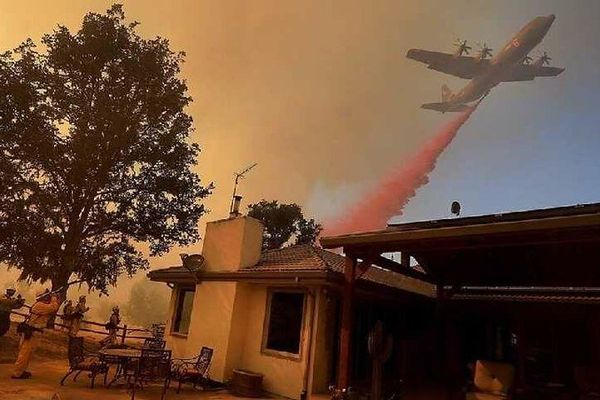
wildfire retardants being sprayed by plane

New evidence links heavy metal pollution with wildfire retardants

“The chemical black box” that blankets wildfire-impacted areas is increasingly under scrutiny.

Stay informed: sign up for The Daily Climate newsletter
Top news on climate impacts, solutions, politics, drivers. Delivered to your inbox week days.