Trump's plans may shrink EPA workforce, curbing Biden-era growth

As President-elect Donald Trump prepares for office, his administration is expected to pursue measures to significantly reduce the Environmental Protection Agency's workforce, reversing gains made under President Biden.

Kevin Bogardus reports for E&E News.


In short:

  • Trump has signaled plans to reduce the EPA’s workforce through budget cuts, possible layoffs and reclassification efforts.
  • Biden increased EPA staffing by more than 6,200 employees with funds from climate and infrastructure legislation, aiming to tackle critical environmental work.
  • Trump's proposed initiatives include reviving Schedule F to make more positions “at-will,” facilitating staff reductions without replacements.

Key quote:

“The reduction in force is so disruptive that simply executing it would pretty much grind the agency to a halt.”

— Stan Meiburg, executive director for Wake Forest University’s Andrew Sabin Family Center for Environment and Sustainability

Why this matters:

A significant reduction in EPA staffing would impact environmental regulation, oversight and enforcement. Fewer staff could slow progress on pollution control, climate goals and public health protections, potentially affecting both local and national environments.

Related EHN coverage: Op-ed: We mobilized to defend the EPA in Trump's first term. This time the stakes are even higher.


Inside of a data center with black computers on either side of a pathway to walk through

Opinion: Meta hides data center info as it pushes more risks to Entergy’s customers

Meta’s Louisiana data center expansion could require seven additional gas plants as regulators examine transparency, infrastructure costs and risks to ratepayers.
Busy street in Dhaka Bangladesh with brick buildings and rickshaws in the street

Despite energy crisis, Bangladesh’s factories are slow to adopt solar power

Less than one-third or 31% of the garment factories in Bangladesh have adopted renewable energy technologies, including rooftop solar, despite the sector having significant potential.

An illustration of the top of a human head with the brain exposed showing a maze

The cognitive bias behind bad climate math

A new study finds two persistent mental shortcuts — not ignorance — are why people keep overrating recycling and underrating flying less.

A solar panel in a manufacturing plant with a robotic arm hovering above it

How this Georgia factory is surviving America’s solar policy whiplash

While last year’s One Big Beautiful Bill Act revoked most solar tax credits, it also made equipment from certain countries — including China — ineligible for the few tax credits that remain.

A man plugging in his electric vehicle outside his house

Why plugging in all those EVs could actually save the power grid

As utilities switch to renewables, you'll get paid to send battery power back into the system, making it stronger and cheaper for everyone.
From our Newsroom
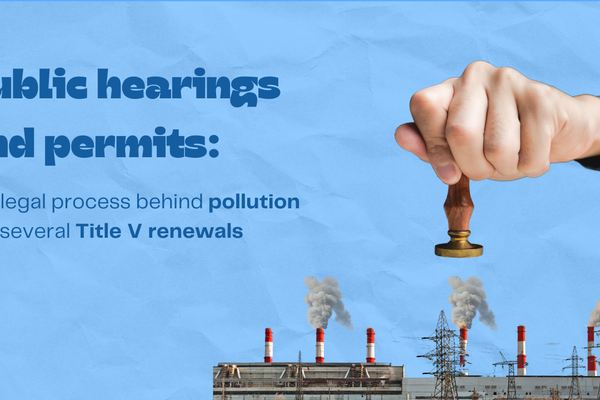
Multiple Houston-area oil and gas facilities that have violated pollution laws are seeking permit renewals

Multiple Houston-area oil and gas facilities that have violated pollution laws are seeking permit renewals

One facility has emitted cancer-causing chemicals into waterways at levels up to 520% higher than legal limits.

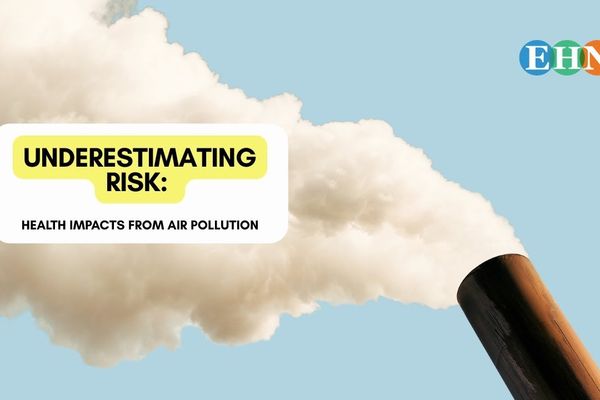
Regulators are underestimating health impacts from air pollution: Study

Regulators are underestimating health impacts from air pollution: Study

"The reality is, we are not exposed to one chemical at a time.”

Pennsylvania governor Josh Shapiro speaks with the state flag and American flag behind him.

Two years into his term, has Gov. Shapiro kept his promises to regulate Pennsylvania’s fracking industry?

A new report assesses the administration’s progress and makes new recommendations

silhouette of people holding hands by a lake at sunset

An open letter from EPA staff to the American public

“We cannot stand by and allow this to happen. We need to hold this administration accountable.”

wildfire retardants being sprayed by plane

New evidence links heavy metal pollution with wildfire retardants

“The chemical black box” that blankets wildfire-impacted areas is increasingly under scrutiny.

Stay informed: sign up for The Daily Climate newsletter
Top news on climate impacts, solutions, politics, drivers. Delivered to your inbox week days.