Trump moves to boost coal power despite industry decline

President Trump announced plans to expand coal energy production, though it remains unclear what specific actions his administration will take.

Rachel Frazin reports for The Hill.


In short:

  • Trump posted on social media that he is “authorizing” increased coal energy production, though the legal basis for this is unclear.
  • His administration is considering using emergency powers to stop coal plant closures, with top officials working on a broader plan.
  • The Interior Department recently approved a major coal mine expansion, and the U.S. Environmental Protection Agency is expected to roll back regulations on coal plant emissions.

Key quote:

“Donald Trump is not concerned with Americans’ health or economic well-being. He is only concerned with helping out his billionaire buddies in the fossil fuel industry.”

— Patrick Drupp, director of climate policy at the Sierra Club

Why this matters:

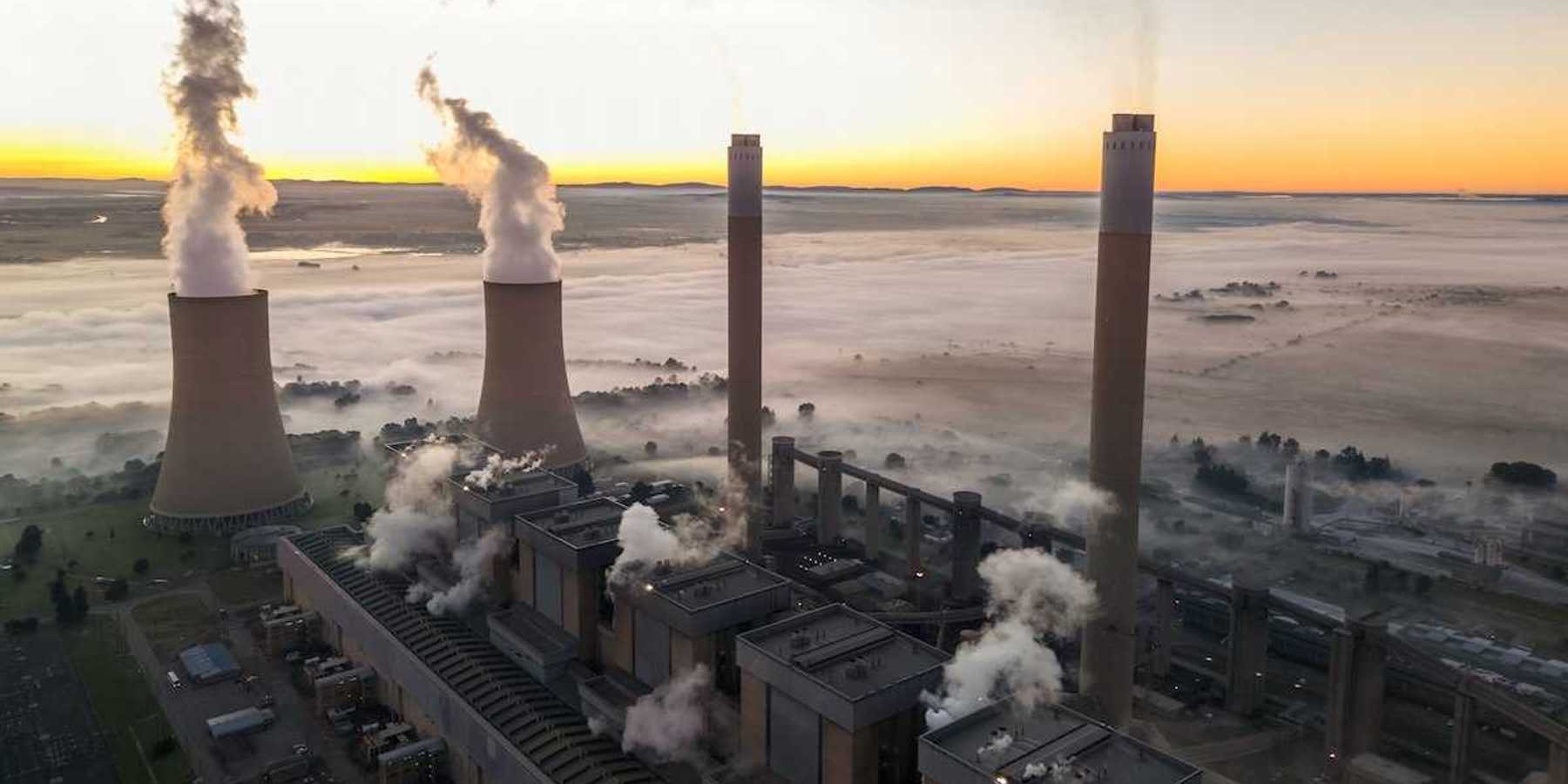
Coal is among the dirtiest fossil fuels, producing more carbon emissions per unit of energy than oil or gas. In recent years, the decline of coal in the U.S. has been largely driven by market forces — natural gas, made cheaper by the fracking boom, has undercut coal in cost, while wind and solar power have gained ground due to falling prices and government incentives.

The Trump administration’s push to support the coal industry, however, could disrupt this transition. Policies aimed at rolling back environmental regulations and propping up coal-fired power plants may slow the country’s shift away from fossil fuels. But even with government support, coal faces headwinds. Many utilities have already moved toward cleaner energy sources, citing both economic and environmental concerns.

Beyond economics, the environmental and health impacts of coal remain significant. Coal mining and combustion release pollutants that contribute to respiratory illnesses, heart disease, and other health issues. Burning coal also produces carbon dioxide, a major driver of climate change. The administration’s approach to coal policy will have lasting implications—not just for energy markets, but for air quality, public health, and efforts to combat climate change.

Related EHN coverage: Want healthier babies? Shut down coal plants

A closeup of corn stalks

Corn’s clean-energy promise is clashing with its climate footprint

Corn dominates U.S. farmland and fuels the ethanol industry, but the fertilizer it relies on drives emissions and fouls drinking water.

The exterior of a generic warehouse building with the blue sky in the background

As data centers flock to Michigan communities, what protections exist for residents?

Local pushback grows as utilities, regulators and lawmakers grapple with how to power — and police — Michigan’s data center rush.

A couple of boats sitting in the water as a storm approaches

Asia’s deadly floods expose rising climate risks and human-driven vulnerabilities

Record-breaking monsoon rains and rare tropical cyclones have triggered catastrophic floods across Asia, killing more than 1,400 people and displacing thousands.

An electric vehicle being charged

EV sales are way down. Here's why that might not be a big deal

Despite a recent dip in sales, analysts say EV adoption will continue to grow — but maybe not at the pace seen before.
Utility lines stretching into the distance at sunset

Utility asks New Mexico for 'zero emission' status for gas-fired power plant

A New Mexico utility is seeking a “zero-carbon” label for part of its new gas plant, sparking criticism that it skirts climate law and shifts billions in costs to consumers.

Solar panels, wind turbines, and large battery containers for energy storage
Credit: Malp/Big Stock Photo

Trump dismantles programs designed to cut electricity demand

Federal energy efficiency programs that once enjoyed bipartisan support are disappearing as data centers ramp up power consumption.
Marina Silva speaking with reporters
Photo credit: Marina Silva https://www.flickr.com/photos/marina-silva/ Creative commons: https://creativecommons.org/licenses/by/2.0/

Opinion: ‘The dinosaurs didn’t know what was coming, but we do’: Marina Silva on what needs to follow Cop30

Exclusive: Brazil’s environment minister talks about climate inaction and the course we have to plot to save ourselves and the planet.

From our Newsroom
Multiple Houston-area oil and gas facilities that have violated pollution laws are seeking permit renewals

Multiple Houston-area oil and gas facilities that have violated pollution laws are seeking permit renewals

One facility has emitted cancer-causing chemicals into waterways at levels up to 520% higher than legal limits.

Regulators are underestimating health impacts from air pollution: Study

Regulators are underestimating health impacts from air pollution: Study

"The reality is, we are not exposed to one chemical at a time.”

Pennsylvania governor Josh Shapiro speaks with the state flag and American flag behind him.

Two years into his term, has Gov. Shapiro kept his promises to regulate Pennsylvania’s fracking industry?

A new report assesses the administration’s progress and makes new recommendations

silhouette of people holding hands by a lake at sunset

An open letter from EPA staff to the American public

“We cannot stand by and allow this to happen. We need to hold this administration accountable.”

wildfire retardants being sprayed by plane

New evidence links heavy metal pollution with wildfire retardants

“The chemical black box” that blankets wildfire-impacted areas is increasingly under scrutiny.

Stay informed: sign up for The Daily Climate newsletter
Top news on climate impacts, solutions, politics, drivers. Delivered to your inbox week days.