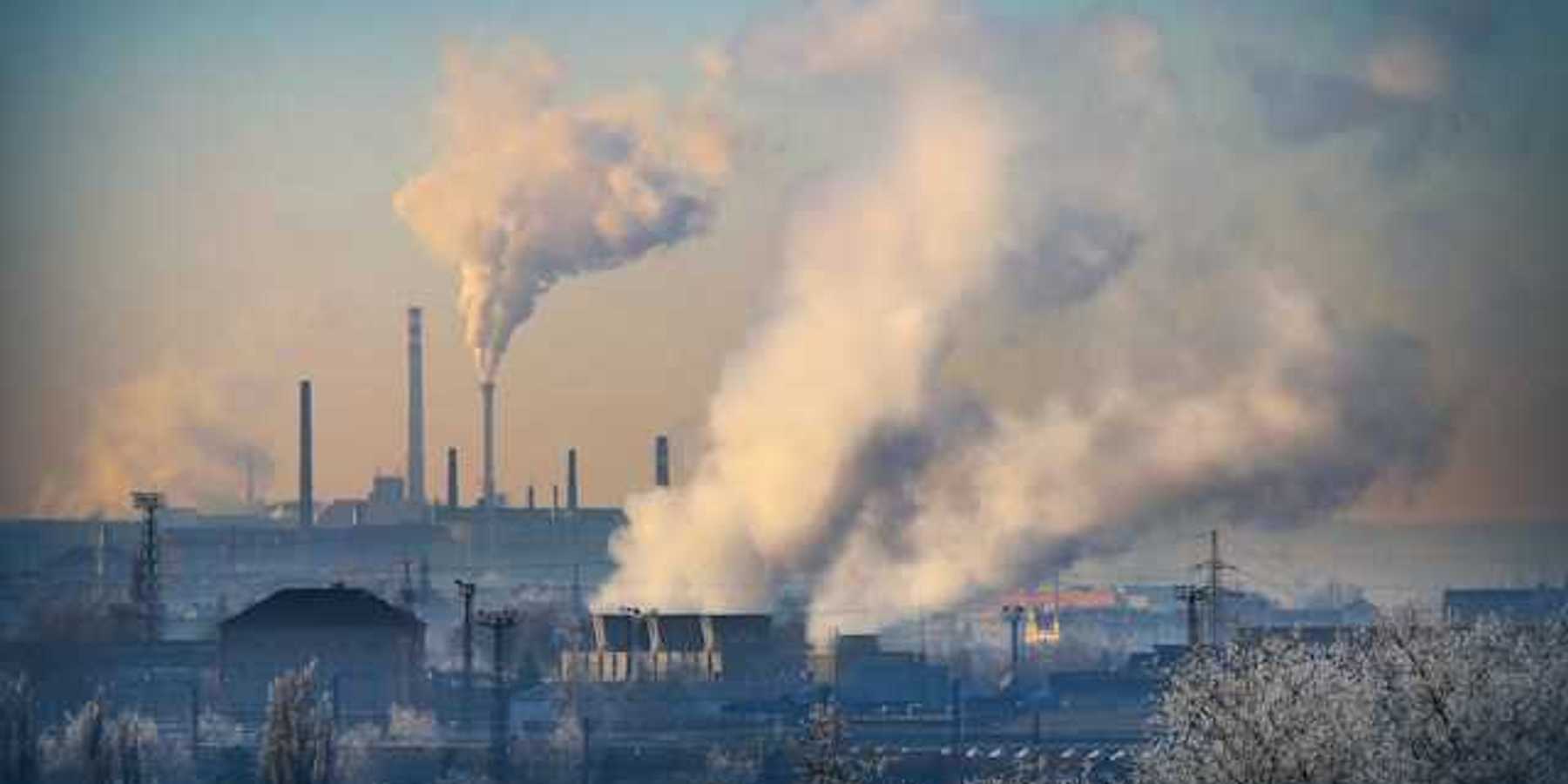
Trump's push for more drilling clashes with market realities

Despite Donald Trump's efforts to expand offshore drilling, oil companies are sitting on thousands of unused leases in the Gulf of Mexico due to high costs and an oversupply of crude.

Tristan Baurick reports for Grist and Verite News.


In short:

  • Of the 2,206 active offshore leases in the Gulf, only 448 are producing oil, with companies reluctant to drill due to low prices and high costs.
  • Trump's regulatory rollbacks and expanded leasing won't significantly increase production, as the U.S. already produces record amounts of crude.
  • Industry experts say many leases are held for speculation, investment or competitive advantage rather than immediate drilling.

Key quote:

“It’s not the regulations that are getting in the way, it’s the economics.”

— Hugh Daigle, professor of petroleum engineering at the University of Texas at Austin

Why this matters:

Trump’s aggressive push for deregulation was widely championed by the oil and gas industry as a way to ease financial burdens and increase domestic energy output. But experts say those rollbacks, while potentially lucrative for fossil fuel companies, are unlikely to meaningfully boost production or lower consumer energy costs. The balance between energy independence, corporate profits and environmental stewardship continues to shape policy debates as the country navigates a future of volatile oil markets and growing climate concerns.

Related: Craig Pittman: Challenges ahead for Trump's move to restart offshore drilling near Florida


The sign upon entering Yellowstone National Park with hills int he background

Trump victorious in legal battle to erase climate change and slavery signs from national parks

Donald Trump wants to “restore truth and sanity” to US history by removing signage on climate change, slavery and other topics.
Seagrasses with green fish swimming nearby

Australia’s seagrass meadows under pressure as climate change turns up the heat

Australia’s Great Barrier Reef is renowned for its coral, but far less so for its expansive seagrass meadows.

A man in a white shirt looking at a wall of wine bottles

People are willing to pay more for climate-proof wine, study shows

New research weighs the costs and payoffs of three common adaptation strategies: Go, stay, or change.
An outdoor worker laying asphalt

Extreme heat is not an equal-opportunity killer

Power shutoffs, no A/C, outdoor work. In a nation built on inequality, extreme heat's victims are exactly who you'd expect.
A closeup view of a citibank sign in red, white and blue

Banks are financing the fossil fuel industry’s next growth strategy

New research shows major lenders are accelerating their investment in Big Oil as the industry turns toward plastics and petrochemicals.
Two workers installing rooftop solar on a curved-tile roof

5 questions answered as solar tax credits phase out

Many utility-scale developers planned ahead, signaling the looming deadline may not be a massive disruption.
From our Newsroom
Multiple Houston-area oil and gas facilities that have violated pollution laws are seeking permit renewals

Multiple Houston-area oil and gas facilities that have violated pollution laws are seeking permit renewals

One facility has emitted cancer-causing chemicals into waterways at levels up to 520% higher than legal limits.

Regulators are underestimating health impacts from air pollution: Study

Regulators are underestimating health impacts from air pollution: Study

"The reality is, we are not exposed to one chemical at a time.”

Pennsylvania governor Josh Shapiro speaks with the state flag and American flag behind him.

Two years into his term, has Gov. Shapiro kept his promises to regulate Pennsylvania’s fracking industry?

A new report assesses the administration’s progress and makes new recommendations

silhouette of people holding hands by a lake at sunset

An open letter from EPA staff to the American public

“We cannot stand by and allow this to happen. We need to hold this administration accountable.”

wildfire retardants being sprayed by plane

New evidence links heavy metal pollution with wildfire retardants

“The chemical black box” that blankets wildfire-impacted areas is increasingly under scrutiny.

Stay informed: sign up for The Daily Climate newsletter
Top news on climate impacts, solutions, politics, drivers. Delivered to your inbox week days.