Torso of a politician in a suit standing at a podium shaking his finger.

Trump shifts federal grant approvals to political appointees

President Donald Trump signed an executive order requiring political appointees, not career civil servants, to review and approve all federal grants, a change that could reshape billions in funding for programs from environmental protection to education.

Robin Bravender reports for E&E News.


In short:

  • The order directs agency heads to appoint senior officials to oversee grant reviews, with the stated goal of aligning spending with “agency priorities and the national interest.”
  • The administration has already canceled over 15,000 grants worth $44 billion, including $7 billion for solar projects in low-income communities.
  • Critics warn the change will slow funding, politicize the process, and disrupt programs in environmental justice, science, and education.

Key quote:

“The bureaucracy exists to help facilitate government working effectively and efficiently, and this is going in the opposite direction.”

— Matthew Tejada, senior vice president at the Natural Resources Defense Council and former senior staff at the U.S. Environmental Protection Agency

Why this matters:

Federal grants fuel essential programs that often operate far from political attention — cleaning up polluted waterways, funding renewable energy in struggling neighborhoods, or enabling universities to conduct public health research. Shifting control from career experts to political appointees risks tilting funding decisions toward short-term political agendas rather than long-term public benefit. In environmental health and climate policy, where projects can take years to show results, sudden cancellations can dismantle progress and waste prior investments. Rural towns, low-income communities, and small nonprofits — often reliant on federal aid to address pollution, energy access, or disaster resilience — could be hit hardest.

Read more: Trump turmoil leaves NIH scrambling to deploy its 2025 research budget

A person holding a pile of organic soil in his hands

Deep soils could hold keys to climate resilience

A new research center is investigating how ancient soils could help farmers adapt to climate change and a warmer future.
A person holding a level on a solar panel

Hosting solar can be a lifeline for farmers, but overcoming local opposition is tough

Local opposition to solar has long been an obstacle for green energy developers in the United States, but some communities are working to reverse local restrictions.
Renewable energy in the Cuban countryside with small white domicile and an oxcart
Credit: elifranssens/BigStock Photo ID: 50678279

Cuba could beat US energy blockade with $8B investment in renewables, says think tank

Report by Common Wealth argues rest of the world should pay for country’s transition as reparative climate finance.

Flag of Texas adjacent to solar panels
Credit: Millenius/BigStock Photo ID: 346789597

Texas sharpens attacks on solar power

From the state Capitol to utility commission dockets, Texas officials are moving to derail solar plans as they brace for a surge in electricity demand.
A man wearing a red jacket and carrying a red bag walking through a snowy landscape

This simple metal tube helps scientists predict drought before it happens

We’re in a perilous moment for water, but the Church Sampler is one of the many devices scientists can use to help us make better decisions.

Cameras mounted on a tall pole with a house in the background

Tracking traffic pollution transforms city climate policy

Using traffic cameras and phone data, researchers created a real-time emissions map — giving cities a powerful new tool to cut pollution faster and smarter.

Closeup portrait old gentleman in white shirt having difficulties with extreme heat high temperature wiping sweat from face very tired isolated green trees paved road background
Credit: A and N photography/BigStock Photo ID: 72336619

‘Heat batteries’ leave some city blocks scorched

It’s about to get hotter in our nation’s cities. Just how hot it gets depends not only on the weather, but also on infrastructure, working conditions, and ZIP codes.

From our Newsroom
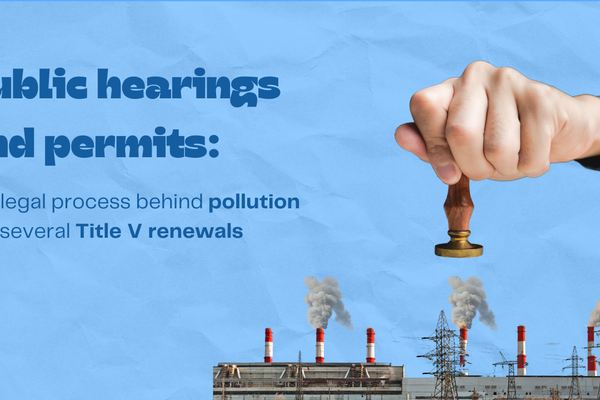
Multiple Houston-area oil and gas facilities that have violated pollution laws are seeking permit renewals

Multiple Houston-area oil and gas facilities that have violated pollution laws are seeking permit renewals

One facility has emitted cancer-causing chemicals into waterways at levels up to 520% higher than legal limits.

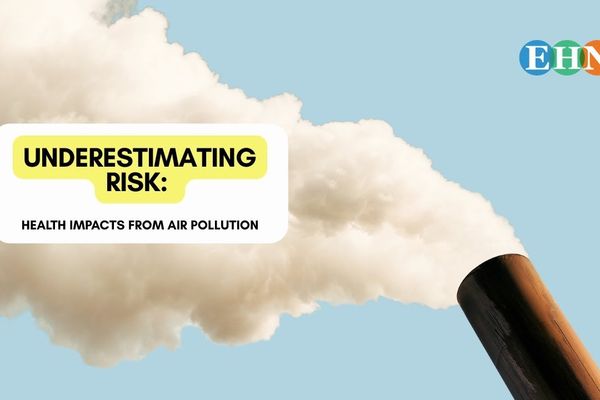
Regulators are underestimating health impacts from air pollution: Study

Regulators are underestimating health impacts from air pollution: Study

"The reality is, we are not exposed to one chemical at a time.”

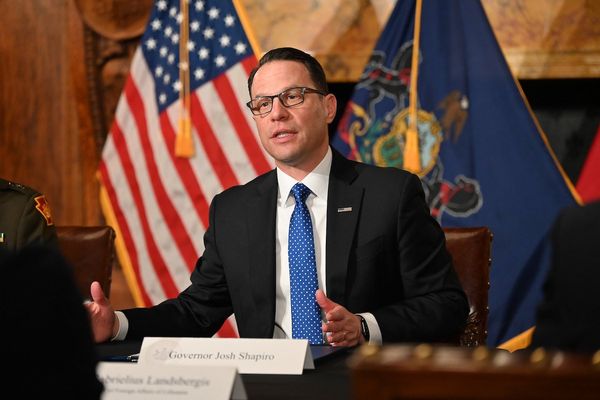
Pennsylvania governor Josh Shapiro speaks with the state flag and American flag behind him.

Two years into his term, has Gov. Shapiro kept his promises to regulate Pennsylvania’s fracking industry?

A new report assesses the administration’s progress and makes new recommendations

silhouette of people holding hands by a lake at sunset

An open letter from EPA staff to the American public

“We cannot stand by and allow this to happen. We need to hold this administration accountable.”

wildfire retardants being sprayed by plane

New evidence links heavy metal pollution with wildfire retardants

“The chemical black box” that blankets wildfire-impacted areas is increasingly under scrutiny.

Stay informed: sign up for The Daily Climate newsletter
Top news on climate impacts, solutions, politics, drivers. Delivered to your inbox week days.