Trump’s OSHA nominee linked to companies cited for deadly heat risks

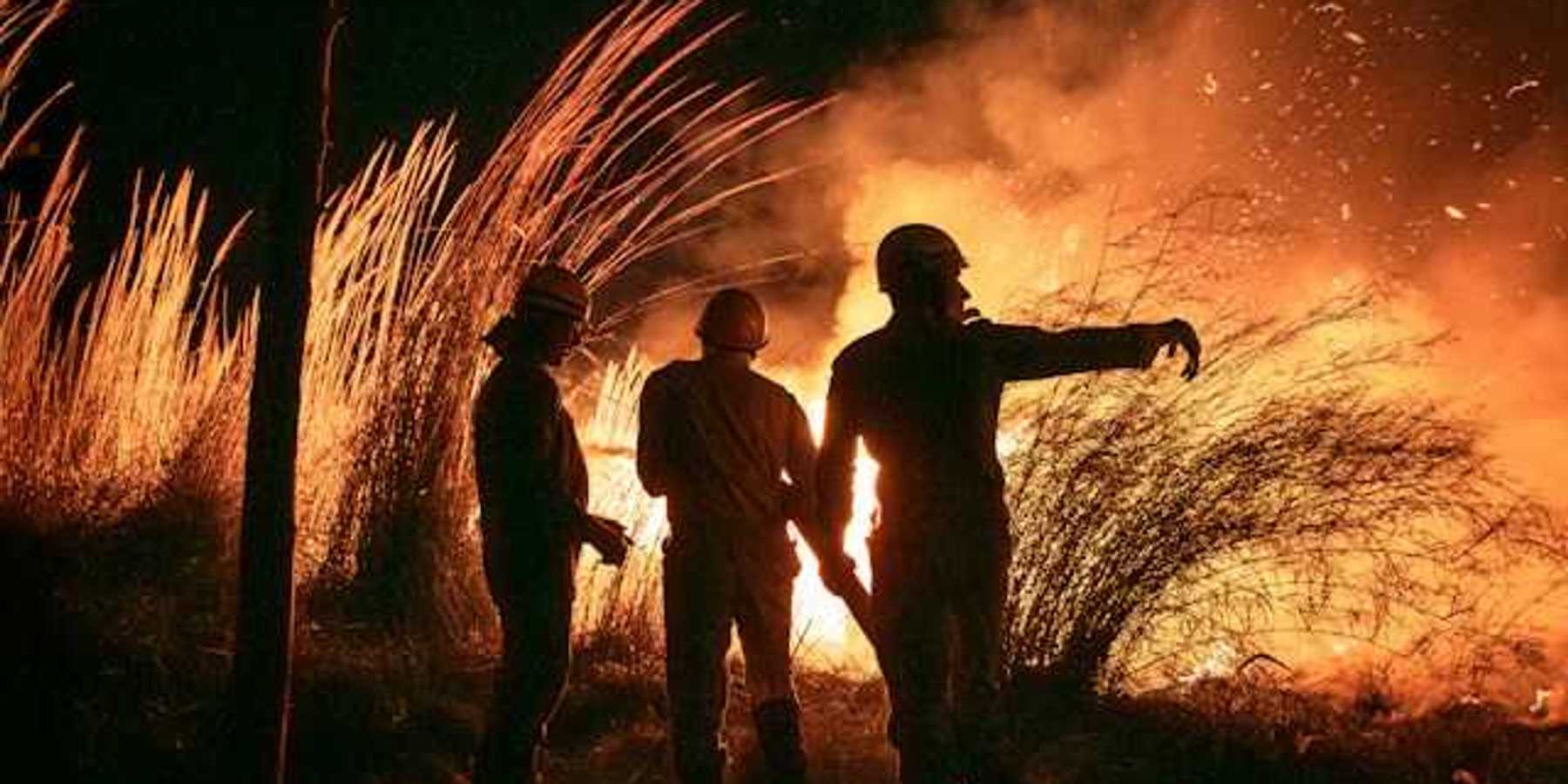
A former safety executive at UPS and Amazon, now nominated to lead OSHA, oversaw operations during years when workers suffered heat-related illnesses and deaths while those companies lobbied against stronger heat protections.

Sam Pollak reports for The Lever.


In short:

  • David Keeling, President Trump’s pick to lead OSHA, previously held top safety roles at UPS and Amazon, where hundreds of heat-related illnesses and several deaths occurred during his tenure.
  • If confirmed, Keeling could halt a proposed federal rule to protect workers from extreme heat, a regulation fast-tracked by the Biden administration but now in jeopardy under Trump’s second term.
  • Both UPS and Amazon have spent millions lobbying against heat safety regulations at federal and state levels, even as workers report dangerous heat exposures and inadequate protections.

Key quote:

“It would be nice to think that because Keeling spent so much time working at these companies and obviously saw just how dangerous heat can be, he would be ready to do something substantial. But there’s no reason to think that will be the case.”

— Juley Fulcher, worker health and safety advocate, Public Citizen

Why this matters:

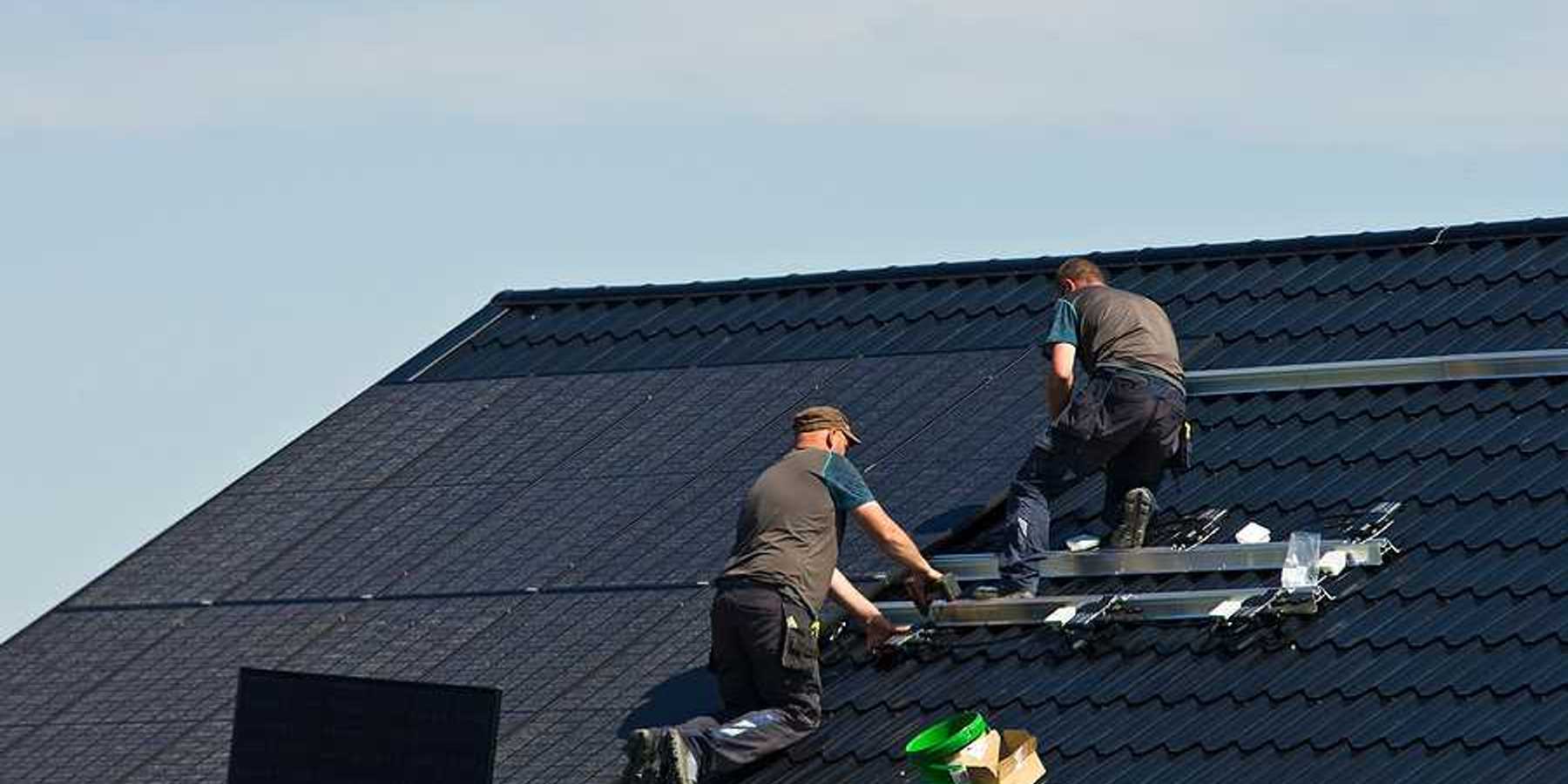
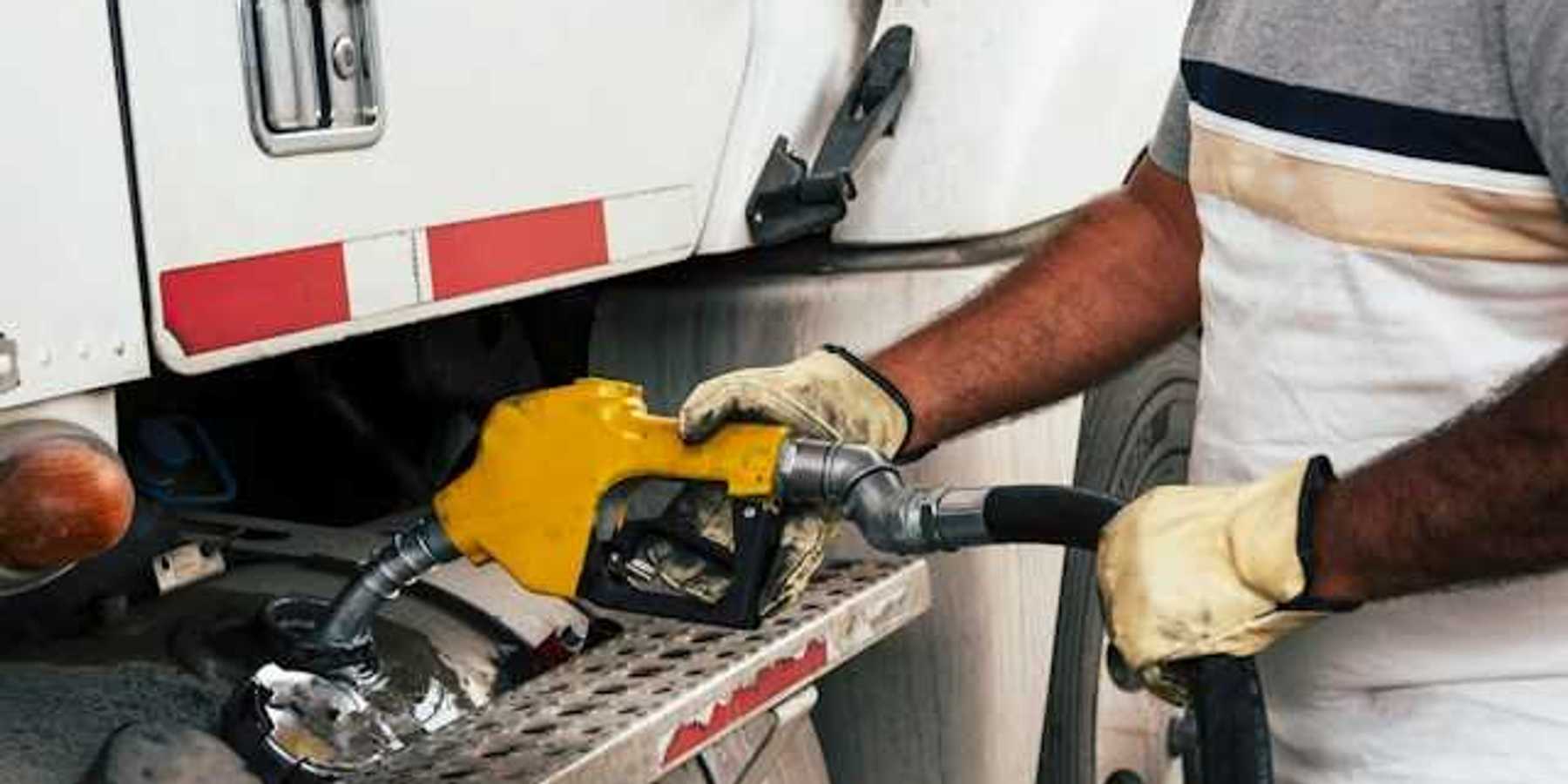
As climate change drives more frequent and severe heat waves, the risk to outdoor and warehouse workers continues to rise. Extreme heat is the leading weather-related killer in U.S. workplaces, yet regulatory protections lag dangerously behind. Without a binding federal standard, enforcement often fails to hold employers accountable, even after deaths occur. Many vulnerable workers — including delivery drivers, warehouse employees, agricultural laborers, and construction crews — face prolonged heat exposure with few safeguards. The problem disproportionately affects immigrants and people of color, compounding existing inequalities. Corporate resistance to heat rules, coupled with political shifts favoring deregulation, threatens to stall or reverse efforts to protect millions of workers.

Read more: Trump administration halts federal workplace heat protections
Yellow and white wind turbine towers waiting to be installed
Credit: Engineered Solutions/Unsplash

Trump leaves wind industry reeling — at a perilous moment for his party

Republican worries about energy affordability didn’t deter the administration from halting five major projects that had already begun construction.
US President Donald Trump with American & Ukrainian flags behind
Credit: Copyright: palinchak/ BigStock Photo ID: 205623106

Opinion: Trump’s shuttering of the National Center for Atmospheric Research is Stalinist: Michael Mann and Bob Ward

This is the latest in the relentless purge of climate researchers who refuse to be co-opted by the fossil fuel industry.

aerial photography of tanker ship.

Oil, gold and rare earth elements: the backdrop to US political tension with Venezuela

The country’s enormous energy and mineral resources are consolidating as a key factor in the geopolitical dispute and in Venezuela’s institutional collapse.

an aerial view of a data center flanked by trees, roads and green fields.
Credit: Geoffrey Moffett/Unsplash

The Pentagon and A.I. giants have a weakness. Both need China’s batteries, badly.

As warfare is reinvented in Ukraine, and Silicon Valley races to maintain its A.I. lead, China’s battery dominance is raising alarms far beyond the auto industry.
A row of diesel-powered generators outside of an industrial building
Photo by Abhijeet Gaikwad on Unsplash

Electrifying these factories could cut a gigaton of CO2 pollution

The U.S. industrial sector relies on gas-fired boilers to make heat. A new report shows how manufacturers can electrify and decarbonize, starting now.
off shore wind farm against setting sun
Credit: Alexander MilsFor Unsplash+

‘Bonkers’: DOI letter halts all five in-progress offshore wind farms

Construction will be paused for 90 days as Trump's Department of War and Interior Department coordinate to evaluate supposed "national security" risks.
Overhead view of Thwaites Glacier, Antarctica
Image Credit: NASA/James Yungel/ Creative Commons: https://creativecommons.org/licenses/by-nc/2.0/

The Doomsday Glacier is getting closer and closer to irreversible collapse

An analysis of the expansion of cracks in the Thwaites Glacier over the past 20 years suggests that a total collapse could be only a matter of time.
From our Newsroom
Multiple Houston-area oil and gas facilities that have violated pollution laws are seeking permit renewals

Multiple Houston-area oil and gas facilities that have violated pollution laws are seeking permit renewals

One facility has emitted cancer-causing chemicals into waterways at levels up to 520% higher than legal limits.

Regulators are underestimating health impacts from air pollution: Study

Regulators are underestimating health impacts from air pollution: Study

"The reality is, we are not exposed to one chemical at a time.”

Pennsylvania governor Josh Shapiro speaks with the state flag and American flag behind him.

Two years into his term, has Gov. Shapiro kept his promises to regulate Pennsylvania’s fracking industry?

A new report assesses the administration’s progress and makes new recommendations

silhouette of people holding hands by a lake at sunset

An open letter from EPA staff to the American public

“We cannot stand by and allow this to happen. We need to hold this administration accountable.”

wildfire retardants being sprayed by plane

New evidence links heavy metal pollution with wildfire retardants

“The chemical black box” that blankets wildfire-impacted areas is increasingly under scrutiny.

Stay informed: sign up for The Daily Climate newsletter
Top news on climate impacts, solutions, politics, drivers. Delivered to your inbox week days.