Tunisians leave their farms behind as drought and economic collapse push migration

With severe drought and economic instability driving migration, Tunisians like Salih Barqoushi are being forced to leave their farms behind in search of better opportunities, as water scarcity leaves little choice for survival.

Taylor Luck and Erika Page report for The Christian Science Monitor.


In short:

  • Tunisia’s severe drought and water shortages are making farming nearly impossible, forcing many farmers to leave their land.
  • Climate change, economic instability, and political mismanagement are driving migration from rural Tunisia to cities and even Europe.
  • Many young Tunisians see no future in their homeland, opting to risk dangerous migration routes for a chance at a better life.

Key quote:

“Even when we irrigate, it is still not enough to keep up with the hot temperatures. Our trees need more water than ever before at a time our water has never been less.”

— Mr. Al Hur, Tunisian farmer

Why this matters:

Tunisia isn’t an outlier. Experts warn that it represents a larger pattern already playing out across the globe. As water supplies dwindle and heatwaves intensify, climate refugees will increasingly outnumber those fleeing war or persecution. Read more: Poor southerners are joining the globe’s climate migrants.
A pathway made from overlapping cement arches

The circular chemistry that could make cement carbon-negative

By closing the loop on the same reaction that makes cement, researchers say plants could capture more carbon dioxide than they release.

A red, high-speed passenger train hurtling down the tracks

Sun-Ways is testing out train track solar farms

A pilot program placing solar panels between the rails has proven successful enough that the idea is spreading to Italy, France, and Korea.

Hanging glacier with meltwater and snow sloughing from the tongue

Climate crisis could be destabilizing mountain areas like Nepal, experts warn

Unusual heat this year may have melted ice and thawed bonds that hold glaciers in place — leading to catastrophe.

A black woman sitting on a sofa with a blue hand fan

As Texans’ electricity costs soar and temperatures rise, a public health crisis brews

This is the first installment of “Powerless,” a series from Public Health Watch examining how rising temperatures and skyrocketing electricity costs are placing Texans in danger.
Offshore wind turbines against a setting sun

$900M from a canceled wind deal will benefit a Trump donor

The Trump administration’s latest deal to abandon offshore wind projects and boost investment in fossil fuels is set to deliver a windfall to a private equity firm run by one of the president's major donors.

Workman securing a rooftop solar panel with a ratchet and socket wrench

Rooftop solar is having a rough one

New tariffs and expired tax credits have put a dent in U.S. panel sales; but there’s reason for optimism.

A blue satellite dish in a snowy landscape pointed at the sky

The U.S. government killed a beloved El Niño blog. Former employees are bringing it back

The ENSO Blog tracked all things El Niño and La Niña, offering newly available data collected by the National Oceanic and Atmospheric Administration (NOAA) to the public in digestible language.

From our Newsroom
Multiple Houston-area oil and gas facilities that have violated pollution laws are seeking permit renewals

Multiple Houston-area oil and gas facilities that have violated pollution laws are seeking permit renewals

One facility has emitted cancer-causing chemicals into waterways at levels up to 520% higher than legal limits.

Regulators are underestimating health impacts from air pollution: Study

Regulators are underestimating health impacts from air pollution: Study

"The reality is, we are not exposed to one chemical at a time.”

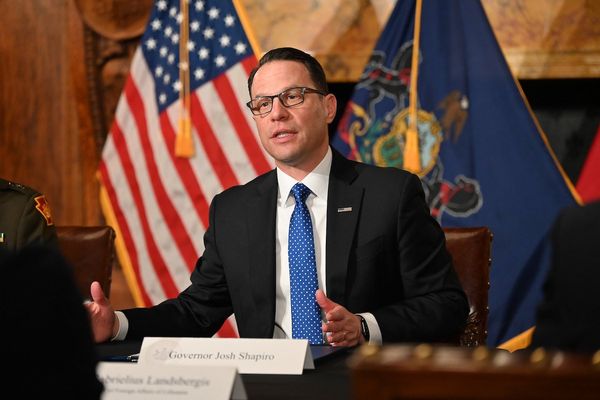
Pennsylvania governor Josh Shapiro speaks with the state flag and American flag behind him.

Two years into his term, has Gov. Shapiro kept his promises to regulate Pennsylvania’s fracking industry?

A new report assesses the administration’s progress and makes new recommendations

silhouette of people holding hands by a lake at sunset

An open letter from EPA staff to the American public

“We cannot stand by and allow this to happen. We need to hold this administration accountable.”

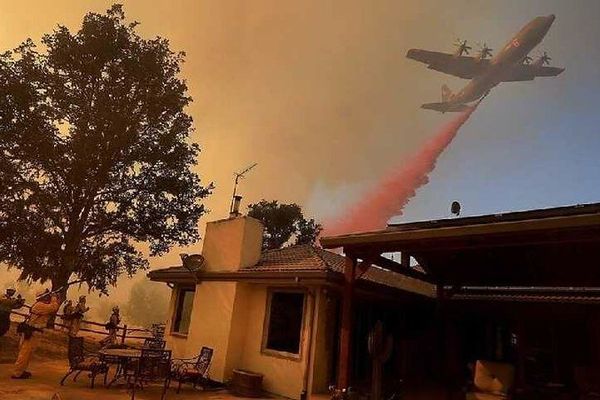
wildfire retardants being sprayed by plane

New evidence links heavy metal pollution with wildfire retardants

“The chemical black box” that blankets wildfire-impacted areas is increasingly under scrutiny.

Stay informed: sign up for The Daily Climate newsletter
Top news on climate impacts, solutions, politics, drivers. Delivered to your inbox week days.