U.S. greenhouse gas reductions slowed as electricity demand surged

Greenhouse gas emissions in the U.S. decreased by just 0.2% in 2024 as electricity consumption rose due to extreme heat and data center growth, despite increased renewable energy use.

Brad Plumer reports for The New York Times.


In short:

  • Electricity demand rose 3% in 2024, driven by heatwaves and the expansion of data centers, increasing natural gas use.
  • Transportation emissions grew 0.8% as driving and flying increased, though electric vehicle sales rose to 10% of new cars.
  • Oil and gas methane emissions fell by 3.7%, attributed to regulations and industry efforts to capture leaks.

Key quote:

“It’s not just a question of how many electric vehicles are on the road or how much solar we’ve installed. A big portion of our economy still relies on fossil fuels.”

— Ben King, Rhodium Group associate director

Why this matters:

Rising energy demand and slow progress in reducing emissions could hinder efforts to meet 2030 climate goals. Without significant reductions across key sectors, climate change impacts may intensify.

Read more: Nations face growing challenges in reducing emissions as global electricity demand increases

A group of doctors walking down a hallway in a hospital

What hospitals are doing to reduce waste and support environmental sustainability

In the United States, hospitals generate millions of tons of waste annually and consume large amounts of energy and water. In response, many institutions are implementing sustainability initiatives that reduce waste, lower costs, and improve community health outcomes.

An x ray machine

The hospitals curing both people and planet

The healthcare sector is caught in a climate paradox: it is under increasing pressure from the impact of climate change on people’s health, yet it also contributes heavily to global warming through its high emissions.

An oil worker at dusk next to a pump jack

Europe will give priority to clean energy, high-level EU diplomat says

A high-level EU diplomat says Europe is focused on nuclear and renewables, as India makes a play for Canadian oil and gas.

A mountain range with light snow above a lake

Wyoming just wrapped up its warmest winter ever, surpassing Dust Bowl records

Low-elevation snowfall hit new record lows and temperatures soared to new highs at almost every station in the state.
A farmer in a field looking down at a tablet

After a lawsuit, USDA agrees to share climate risk data with farmers

The U.S. Department of Agriculture has agreed to share key datasets behind its climate risk tools after environmental and farming groups sued over the removal of climate-related webpages.

A view of a city mineret with snowy mountains in the background

War with Iran: What the assault means for renewable energy

Higher energy prices could make green alternatives more attractive, but harder to deploy.
A person sitting in a chair with their head on their knees

‘An epidemic of suffering’: Why are conservationists breaking down?

Conservationists are struggling with their mental health for many reasons, but one of the largest is watching ecological destruction in real time.

From our Newsroom
Multiple Houston-area oil and gas facilities that have violated pollution laws are seeking permit renewals

Multiple Houston-area oil and gas facilities that have violated pollution laws are seeking permit renewals

One facility has emitted cancer-causing chemicals into waterways at levels up to 520% higher than legal limits.

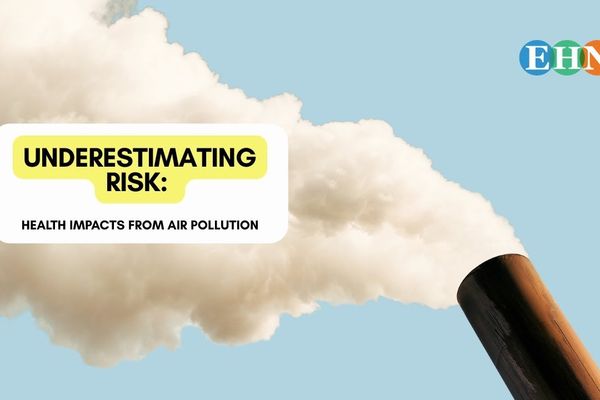
Regulators are underestimating health impacts from air pollution: Study

Regulators are underestimating health impacts from air pollution: Study

"The reality is, we are not exposed to one chemical at a time.”

Pennsylvania governor Josh Shapiro speaks with the state flag and American flag behind him.

Two years into his term, has Gov. Shapiro kept his promises to regulate Pennsylvania’s fracking industry?

A new report assesses the administration’s progress and makes new recommendations

silhouette of people holding hands by a lake at sunset

An open letter from EPA staff to the American public

“We cannot stand by and allow this to happen. We need to hold this administration accountable.”

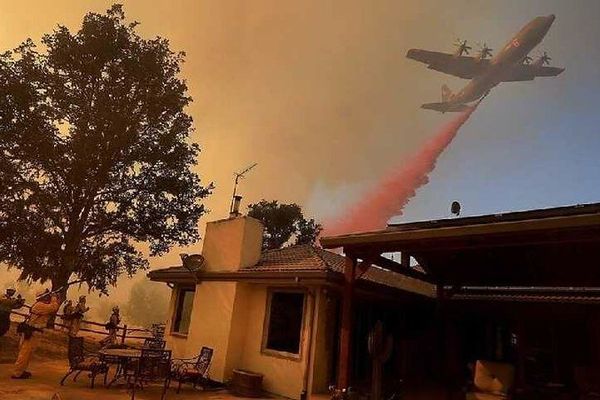
wildfire retardants being sprayed by plane

New evidence links heavy metal pollution with wildfire retardants

“The chemical black box” that blankets wildfire-impacted areas is increasingly under scrutiny.

Stay informed: sign up for The Daily Climate newsletter
Top news on climate impacts, solutions, politics, drivers. Delivered to your inbox week days.