U.S. scientists push forward with climate research despite government withdrawal

Five American scientists joined an international climate panel meeting in Japan, continuing their work despite the Trump administration's efforts to distance the U.S. from global climate initiatives.

Bob Berwyn reports for Inside Climate News.


In short:

  • The Trump administration has pulled federal support for U.S. participation in the Intergovernmental Panel on Climate Change (IPCC), but some American scientists are continuing their involvement independently.
  • Scientists fear losing U.S. influence in shaping international climate policy, as well as reduced funding for participation in IPCC research.
  • Cities are central to the upcoming IPCC report, with urban areas responsible for about 70% of global greenhouse gas emissions.

Key quote:

“Two-thirds of greenhouse gas emissions come out of cities and that makes them places where there are opportunities to reduce emissions.”

— Kevin Gurney, Northern Arizona University atmospheric scientist

Why this matters:

The U.S. has historically played a leading role in global climate research, providing critical data and shaping policy discussions. Withdrawing from the IPCC risks diminishing scientific influence and innovation, potentially setting back efforts to address climate change. Cities, responsible for the lion’s share of emissions, remain at the forefront of climate action. Without U.S. leadership in global research efforts, these urban centers may face greater challenges in accessing the latest climate data and policy recommendations. The absence of American expertise could leave gaps in critical climate assessments, affecting decision-making worldwide.

At stake is not just influence but the ability to direct the global response to climate change. The U.S. has historically helped set the pace for climate science, but stepping back could cede that role to other nations, reshaping the future of climate governance.

Related: Trump administration halts U.S. role in global climate assessment

A row of solar panels with the city of Shanghai in the background

China to see solar capacity outstrip coal capacity this year

The China Electricity Council says that, by the end of 2026, wind and solar will account for nearly half of China’s power capacity.

A hand placing a seed in a pot inside a greenhouse

The US farmers saving Palestinian seeds

More than 40 growers nationwide are working to preserve heirloom seeds, along with the history, tradition, and identity they contain.
Petri dishes with meat in them

Why the future of meat production is in vats, not farms

A new book argues that "cultivated” and other alternative meats will increasingly challenge traditional ways of raising livestock.
A reservoir viewed from above with dry shores

Western U.S. cities open wallets in quest for water

Supply declines, drought risk, and population growth are pushing cities to seek new water sources.

Yellow plastic bag with fruit in it

Biodegradable plastic isn't a climate solution on its own

A new global life-cycle analysis finds that if not properly disposed of, biodegradable plastics could increase methane emissions and plastic accumulation.
An anesthesiologist placing a cup on a patient's mouth

Cutting the climate impact of anesthetic gases across Loma Linda University Health

Hospital systems are reducing greenhouse gas emissions, improving operational efficiency, and strengthening our commitment to environmental stewardship.

Doctors discussing chest xrays

How letting radiologists work remotely can help save the planet

Teleradiology can drastically reduce greenhouse gas emissions, at roughly 63% when compared to if all impacted individuals needed to travel into work every day, one academic institution estimates.  
From our Newsroom
Multiple Houston-area oil and gas facilities that have violated pollution laws are seeking permit renewals

Multiple Houston-area oil and gas facilities that have violated pollution laws are seeking permit renewals

One facility has emitted cancer-causing chemicals into waterways at levels up to 520% higher than legal limits.

Regulators are underestimating health impacts from air pollution: Study

Regulators are underestimating health impacts from air pollution: Study

"The reality is, we are not exposed to one chemical at a time.”

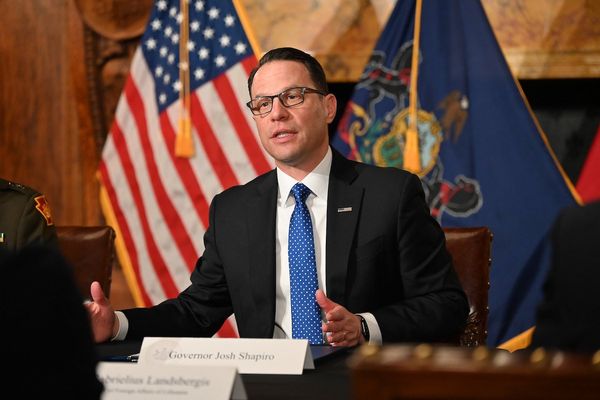
Pennsylvania governor Josh Shapiro speaks with the state flag and American flag behind him.

Two years into his term, has Gov. Shapiro kept his promises to regulate Pennsylvania’s fracking industry?

A new report assesses the administration’s progress and makes new recommendations

silhouette of people holding hands by a lake at sunset

An open letter from EPA staff to the American public

“We cannot stand by and allow this to happen. We need to hold this administration accountable.”

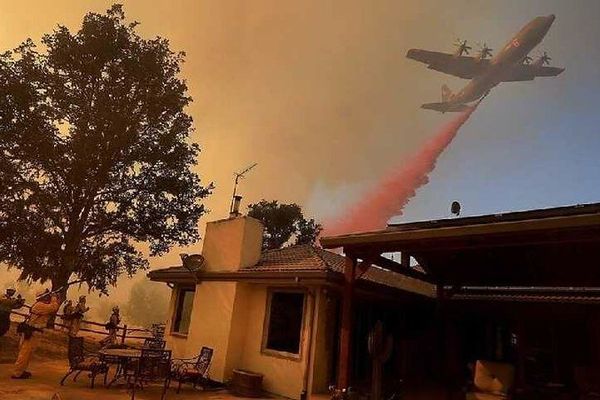
wildfire retardants being sprayed by plane

New evidence links heavy metal pollution with wildfire retardants

“The chemical black box” that blankets wildfire-impacted areas is increasingly under scrutiny.

Stay informed: sign up for The Daily Climate newsletter
Top news on climate impacts, solutions, politics, drivers. Delivered to your inbox week days.