Uranium exploration near Alaska Native village sparks public health concerns

A remote Iñupiat community in northwestern Alaska is protesting a planned uranium mining project near its land, warning it could contaminate waters central to their health, food, and way of life.

Aisha Kehoe Down reports for The Guardian.


In short:

  • Panther Minerals plans to begin uranium exploration this summer near the Tubuktulik River, close to Elim, an Iñupiat village that relies on the area’s fish and game for food.
  • Elim residents have fought the project since 2024, citing concerns about radioactive contamination, health risks, and lack of consultation by Alaska’s Department of Natural Resources.
  • The Trump administration’s push to expand domestic mining has encouraged such projects, reversing Biden-era protections and putting Alaska’s Native communities on a collision course with industry interests.

Key quote:

“If [the river] becomes contaminated, it will have an impact on the whole Bering Sea. That’s the way I see it.”

— Johnny Jemewouk, resident of Elim

Why this matters:

In the windswept tundra of western Alaska, the village of Elim finds itself at the center of a growing national debate: How far should the U.S. go to secure so-called “critical minerals,” and at what cost? Residents fear that proposed uranium exploration could scar the land in ways that echo the deep wounds left on Navajo Nation lands decades earlier, where radioactive dust settled into homes, tailings seeped into water sources, and a spike in cancer cases followed. Elim, a predominantly Iñupiat community, depends on the region’s healthy fish populations for subsistence and cultural continuity. But with uranium mines known to produce toxic runoff and long-lived radioactive waste, many worry the local fishery — and the entire ecosystem — could be jeopardized.

As President Trump’s administration pushes hard for domestic mineral production in the name of national security and economic growth, Alaskan communities like Elim are raising alarm bells about insufficient federal protections, inadequate environmental oversight, and a disregard for Indigenous consent.

Related EHN coverage: Years after mining stops, uranium's legacy lingers on Native land
ocean waves crashing on shore during daytime

How to transform 30x30 from a political slogan into an ecological reality

The recently enacted High Seas Treaty offers an opportunity to protect the ocean like never before.
Tall slag heaps in the distance with green fields and trees in the foreground

A coal town reborn

Once synonymous with mining, this northern French town has become a model for how to sustainably transition away from fossil fuels.
The top of the Hoover Dam with the reservoir in the background

Warmer water in Lake Mead risks vital operations

Rising water temperatures across the Colorado River and its reservoirs are creating new challenges for water treatment operations in Lake Mead and hydropower production at Hoover Dam.
red and white ship on sea near snow covered mountain during daytime

U.S. push for Greenland’s minerals faces harsh Arctic realities

Experts say the U.S. is underestimating the difficulties of mining in a rapidly changing Arctic region that is warming faster than anywhere else on Earth.

SpaceX rocket ship launching during daytime
Credit: SpaceX/Unsplash

Q&A: Tech billionaires’ AI space empire fantasies are ‘an insidious form of climate denial’

Science journalist Adam Becker speaks with DeSmog about how Silicon Valley tech billionaires have invented new forms of greenwashing and climate denial in their quest for ever-more fantastic technology.
Jeff Bezos dressed in a tuxedo headshot
Credit: Starfrenzy/BigStock Photo ID: 439441229

Washington Post gutting its climate team

Clean energy dies in darkness. Courtesy of Jeff Bezos.
China renewable energy, wind and solar energy concept. Chinese flag superimposed with wind turbines and solar panels
Credit: Anton_Medvedev /BigStock Photo ID: 431444246

Green energy sector drove more than 90% of China’s investment growth last year, analysis finds

Industry bigger than all but seven world economies, and accounts for more than third of China’s economic growth.

From our Newsroom
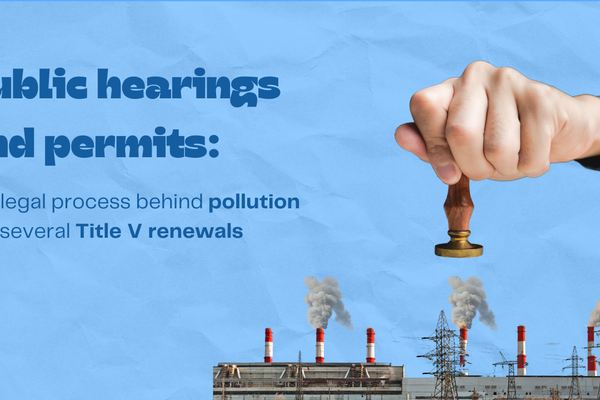
Multiple Houston-area oil and gas facilities that have violated pollution laws are seeking permit renewals

Multiple Houston-area oil and gas facilities that have violated pollution laws are seeking permit renewals

One facility has emitted cancer-causing chemicals into waterways at levels up to 520% higher than legal limits.

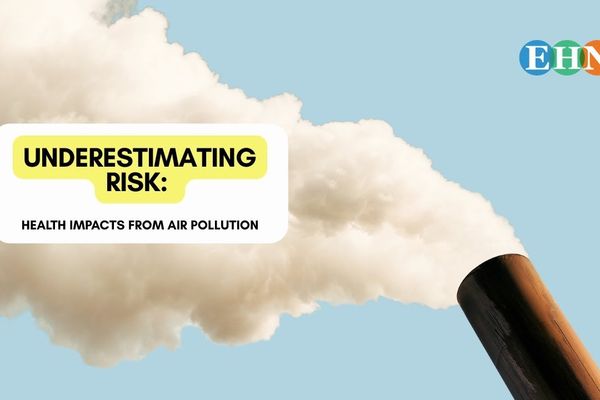
Regulators are underestimating health impacts from air pollution: Study

Regulators are underestimating health impacts from air pollution: Study

"The reality is, we are not exposed to one chemical at a time.”

Pennsylvania governor Josh Shapiro speaks with the state flag and American flag behind him.

Two years into his term, has Gov. Shapiro kept his promises to regulate Pennsylvania’s fracking industry?

A new report assesses the administration’s progress and makes new recommendations

silhouette of people holding hands by a lake at sunset

An open letter from EPA staff to the American public

“We cannot stand by and allow this to happen. We need to hold this administration accountable.”

wildfire retardants being sprayed by plane

New evidence links heavy metal pollution with wildfire retardants

“The chemical black box” that blankets wildfire-impacted areas is increasingly under scrutiny.

Stay informed: sign up for The Daily Climate newsletter
Top news on climate impacts, solutions, politics, drivers. Delivered to your inbox week days.