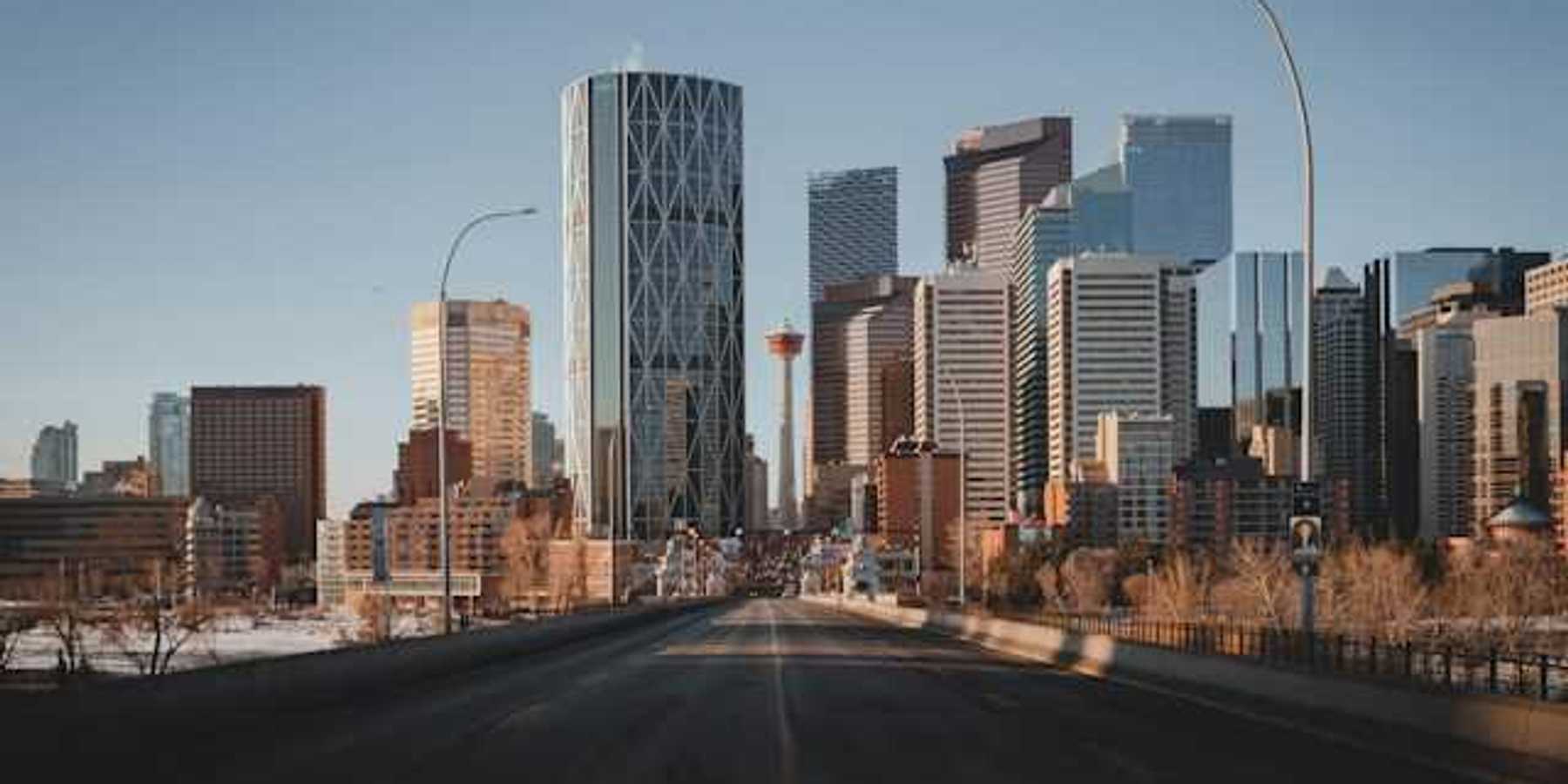
Urban heat islands in the Great Lakes are endangering public health

Heat islands created by buildings and paved surfaces are raising temperatures and health risks in cities like Toronto and Windsor.

Lisa John Rogers reports for Great Lakes Now.


In short:

  • Urban heat islands in Great Lakes cities absorb and re-emit heat, increasing temperatures and health risks.
  • Vulnerable populations, including low-income and racialized communities, are disproportionately affected.
  • Long-term heat mitigation efforts exist, but short-term heat management strategies are insufficient.

Key quote:

“Without a doubt, I think every emergency department across the country during the heat spells, especially when the heat gets above 88 to 90 degrees, experiences an influx of people, especially in the heat islands.”

— Dr. Patrick McHugh, emergency room physician, Cleveland Clinic

Why this matters:

Increasing urban heat poses significant health risks, especially to vulnerable populations, exacerbating existing health inequalities. For residents, especially the elderly and those with preexisting health conditions, the effects can be severe. Elevated temperatures contribute to heat-related illnesses, increase air pollution levels, and strain energy resources as people rely more heavily on air conditioning. This creates a vicious cycle, as increased energy use further amplifies urban heat and greenhouse gas emissions.

Attendees at the 21st session of the UN Conference on Climate Change
Credit: palinchak/BigStock Photo ID: 110010617

Takeaways from the first conference focused on transitioning away from fossil fuels

Countries have wrapped up a first-of-its-kind summit in Colombia on phasing out fossil fuels with no binding commitments but a growing momentum to shift from pledges to action.
Sick African American man coughing holding paper napkin near mouth suffering from respiratory ailment
Credit: Prostock-studio/BigStock Photo ID: 400400966

In U.S. coal country, black lung surges as federal protections stall

While President Trump is directing hundreds of millions of dollars to coal projects, miners in Appalachia are suffering from a resurgence of black lung disease. But industry pushback has indefinitely delayed federal rules that would reduce miners’ exposure to deadly silica dust. 
A view of water and ships at sunset with a wind turbine in the background

Washington State's latest emissions report shows small decline

Officials see progress, but critics say the state is not on course to hit a pollution reduction target in 2030.

A couple of warehouses viewed from above

California will soon have more than 300 data centers. Where will they get their water?

Satisfying the thirst of 24 more facilities expected to open in the state will be challenging, experts and officials say.

Cupped hands holding recently harvested soybeans

Carbon pollution is making food less nutritious and risking health of billions

Surging concentrations of carbon in the atmosphere have produced potent changes in the way plants grow, draining the nutrients from food.
Dump trucks and mining equipment at the bottom of a mining pit

Critical minerals are ‘oil of 21st century’ as demand fuels poverty and pollution in poorer countries

The rush for lithium, cobalt, and nickel is ravaging livelihoods, water, and health of the world’s most vulnerable, a United Nations study says.

A soccer player balancing a soccer ball on the top of his foot

Extreme heat could impact the World Cup games. Here's what cities are doing to prepare

As global temperatures rise, extreme heat could threaten athletes, fans, workers, and officials during this year’s World Cup games.

From our Newsroom
Multiple Houston-area oil and gas facilities that have violated pollution laws are seeking permit renewals

Multiple Houston-area oil and gas facilities that have violated pollution laws are seeking permit renewals

One facility has emitted cancer-causing chemicals into waterways at levels up to 520% higher than legal limits.

Regulators are underestimating health impacts from air pollution: Study

Regulators are underestimating health impacts from air pollution: Study

"The reality is, we are not exposed to one chemical at a time.”

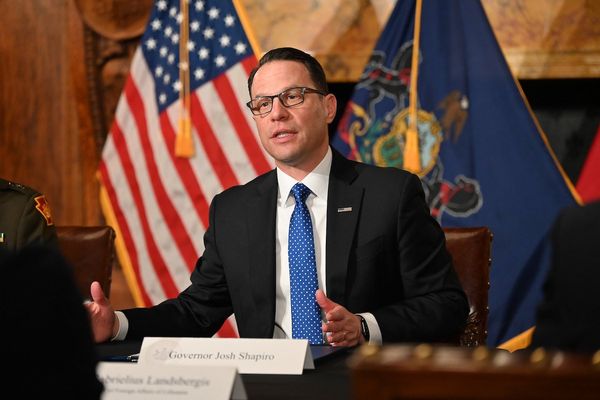
Pennsylvania governor Josh Shapiro speaks with the state flag and American flag behind him.

Two years into his term, has Gov. Shapiro kept his promises to regulate Pennsylvania’s fracking industry?

A new report assesses the administration’s progress and makes new recommendations

silhouette of people holding hands by a lake at sunset

An open letter from EPA staff to the American public

“We cannot stand by and allow this to happen. We need to hold this administration accountable.”

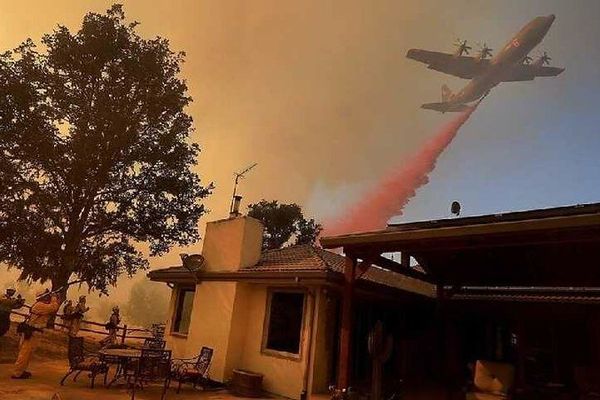
wildfire retardants being sprayed by plane

New evidence links heavy metal pollution with wildfire retardants

“The chemical black box” that blankets wildfire-impacted areas is increasingly under scrutiny.

Stay informed: sign up for The Daily Climate newsletter
Top news on climate impacts, solutions, politics, drivers. Delivered to your inbox week days.