Venezuela's last glacier disappears, marking an environmental milestone

Venezuela has lost its final glacier, La Corona, making it the first country in the Andes without any glaciers, amid rising concerns over global warming effects.

Ana Vanessa Herrero and Matthew Hay Brown report for The Washington Post.


In short:

  • La Corona's size shrank dramatically from more than 1,100 acres to less than five, leading scientists to declare its end as a glacier.
  • Despite government attempts to preserve it using geothermal covers, experts deemed such interventions unfeasible and potentially harmful.
  • The loss marks a significant shift in Venezuela's ecological and cultural landscape, previously home to multiple glaciers.

Key quote:

"Our tropical glaciers are disappearing quickly since the Seventies. Now people are feeling the absence."

— Alejandra Melfo, astrophysicist at the University of the Andes

Why this matters:

The loss of La Corona extends beyond symbolic significance; it is sounding a dire alarm for both ecological balance and water resource management. Glaciers, often referred to as nature’s reservoirs, slowly release water into rivers and lakes, supporting both human activities and the natural ecosystems throughout the year. Their disappearance can lead to water shortages that affect millions, complicating efforts to grow crops, generate hydroelectric power, and maintain natural habitats.

Female doctor writing on a clipboard in a hospital

Health sector launches collaborative to cut emissions and boost climate resilience

A National Academy of Medicine initiative is bringing together leaders across the U.S. health system to reduce its sizable carbon footprint and strengthen resilience to climate-driven health threats.

A doctor performing an ultrasound on a pregnant woman

Climate-conscious for hospitals: Addressing health risks

Climate change is increasingly straining health systems and worsening patient outcomes, but hospitals can respond by redesigning care to reduce emissions and improve resilience.

Cars on the highway at night

Car dependency and US environmental health research

U.S. health research has long focused on car pollution; now scientists say the bigger threat may be car dependency itself.

The emergency room entrance of a hospital

Conceptualizing climate vulnerability in health sciences

Climate change is increasingly understood as a public health emergency, but training the workforce to respond to it remains an unresolved challenge.

Fishing boat on open water with oil drilling rig in the background

Trump cabinet exempts Gulf drilling from species protections

The unprecedented move from a rarely used Endangered Species Committee granted the broadest exemption in the law’s history.
Methane flaring at desert fracking sites

Invisible plumes and ‘terrible pollution’: the reality of the US gas sites rated ‘grade A’

Guardian investigation into reliability of methane certification issued by MiQ reveals the weakness of voluntary model.

Oil and gas facility flaring excess methane at night

EPA’s Aaron Szabo once helped write oil industry argument against methane rules

Before becoming a top official at the Environmental Protection Agency, Aaron Szabo was a lobbyist for the oil and gas industry. Metadata shows he helped draft a trade group’s 2022 letter to the EPA objecting to controls on methane emissions.
From our Newsroom
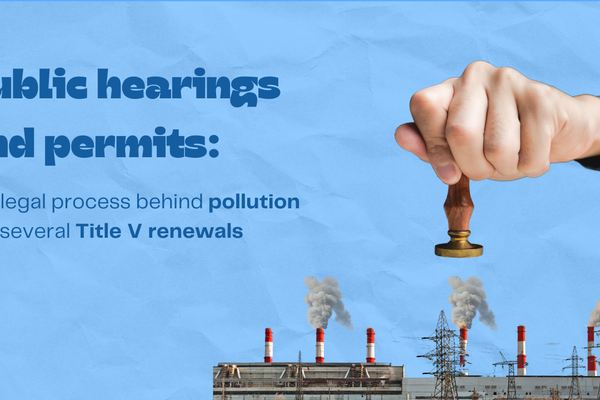
Multiple Houston-area oil and gas facilities that have violated pollution laws are seeking permit renewals

Multiple Houston-area oil and gas facilities that have violated pollution laws are seeking permit renewals

One facility has emitted cancer-causing chemicals into waterways at levels up to 520% higher than legal limits.

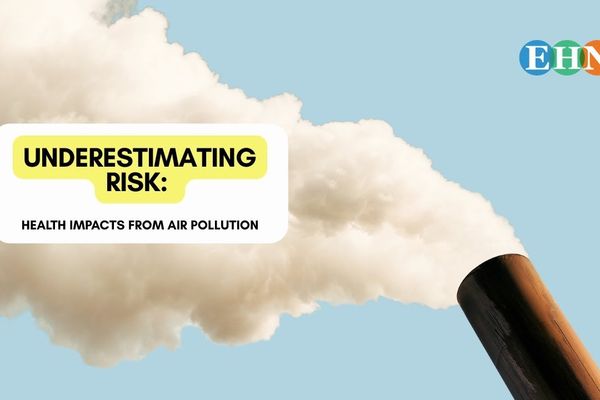
Regulators are underestimating health impacts from air pollution: Study

Regulators are underestimating health impacts from air pollution: Study

"The reality is, we are not exposed to one chemical at a time.”

Pennsylvania governor Josh Shapiro speaks with the state flag and American flag behind him.

Two years into his term, has Gov. Shapiro kept his promises to regulate Pennsylvania’s fracking industry?

A new report assesses the administration’s progress and makes new recommendations

silhouette of people holding hands by a lake at sunset

An open letter from EPA staff to the American public

“We cannot stand by and allow this to happen. We need to hold this administration accountable.”

wildfire retardants being sprayed by plane

New evidence links heavy metal pollution with wildfire retardants

“The chemical black box” that blankets wildfire-impacted areas is increasingly under scrutiny.

Stay informed: sign up for The Daily Climate newsletter
Top news on climate impacts, solutions, politics, drivers. Delivered to your inbox week days.