Wall Street investors profit from lawsuits against green policies

Financial speculators are pouring money into lawsuits against governments over environmental regulations, with fossil fuel and mining firms securing billions in public funds through international arbitration.

Patrick Greenfield and Phoebe Weston report for The Guardian.


In short:

  • Corporations use investor-state dispute settlement (ISDS) to sue governments over policies that affect their profits, with awards now averaging over $200 million per case.
  • Hedge funds and litigation financiers increasingly fund these lawsuits, taking a share of settlements, often targeting developing nations.
  • Fossil fuel and mining firms have won at least $92 billion from governments, with many awards undisclosed, making the total likely much higher.

Key quote:

“The creation of a ‘gambler’s Nirvana’ by allowing third-party funders to use investor-state dispute settlements as a means of financial speculation, without any possibility of making costs awards against those funders, is deeply problematic.”

— Kamal Hossain, ISDS arbitrator

Why this matters:

A complex web of legal mechanisms allows corporations, particularly in the fossil fuel and mining industries, to challenge government policies designed to protect public health and the environment. These legal challenges often take place through investor-state dispute settlement systems, which permit companies to sue governments for policies they claim harm their investments. The result can be staggering financial penalties, sometimes reaching into the billions, which are ultimately shouldered by taxpayers.

This trend is especially concerning in developing nations, where the financial burden of these legal battles can stifle environmental protections and deepen economic inequalities. The involvement of litigation financiers — who fund lawsuits in exchange for a share of the settlement — adds another layer of controversy, turning legal disputes into high-stakes investment opportunities.

Related: Trump faces obstacles in limiting lawsuits targeting fossil fuel industry

Oil worker in orange uniform and helmet on of background the pump jack and sunset sky.
Credit: bashta/BigStock Photo ID: 24119156

Fossil fuel companies finally accept the climate crisis – just not their role in it

The era of corporate climate denial is over but in courts around the world the big names have shifted strategy.

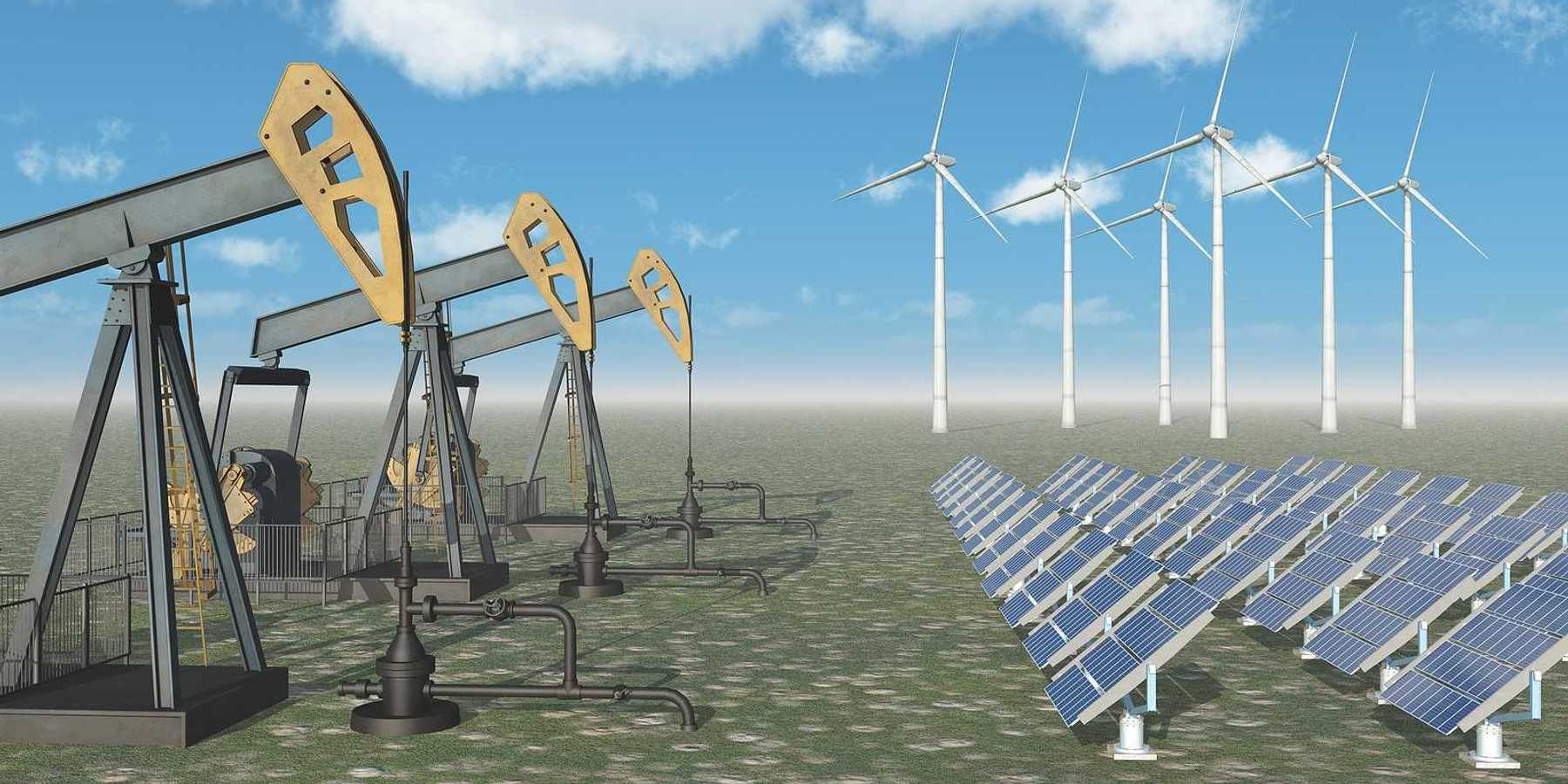
Computer generated 3D illustration with oil pumps, solar panels and wind turbines.
Credit: MIRO3D/BigStock Photo ID: 147195269

Opinion: The Iran War is revealing the messy middle of our renewable energy transition

When the world map of literal power changes, the political hierarchy shifts, too.

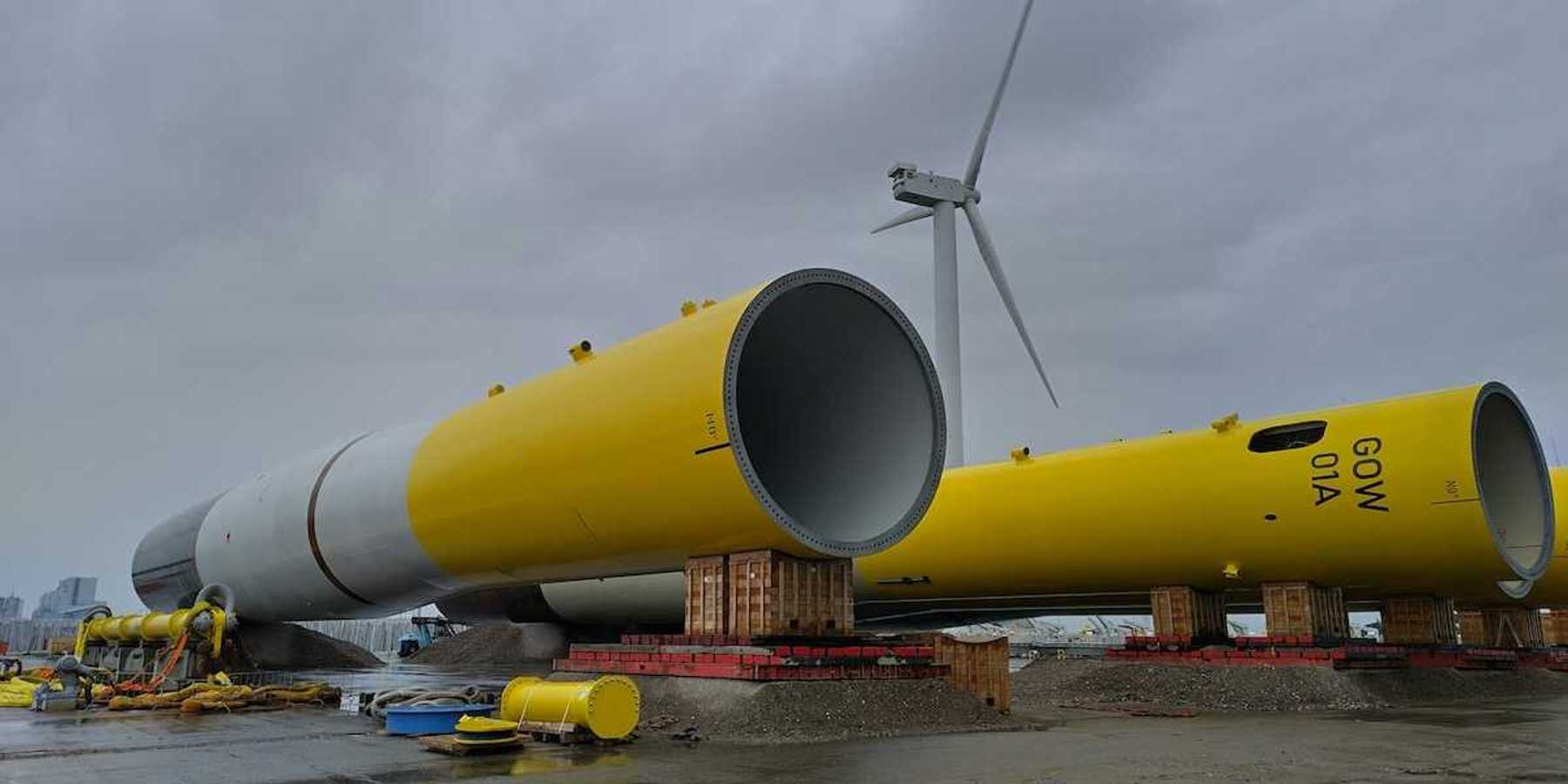
Unassembled yellow and white wind turbines and towers

Trump’s $1B offshore wind payout to TotalEnergies sparks legal concerns

Offshore wind and legal experts question whether Interior has the authority to reimburse the oil giant for canceled leases, especially if it taps taxpayer dollars.

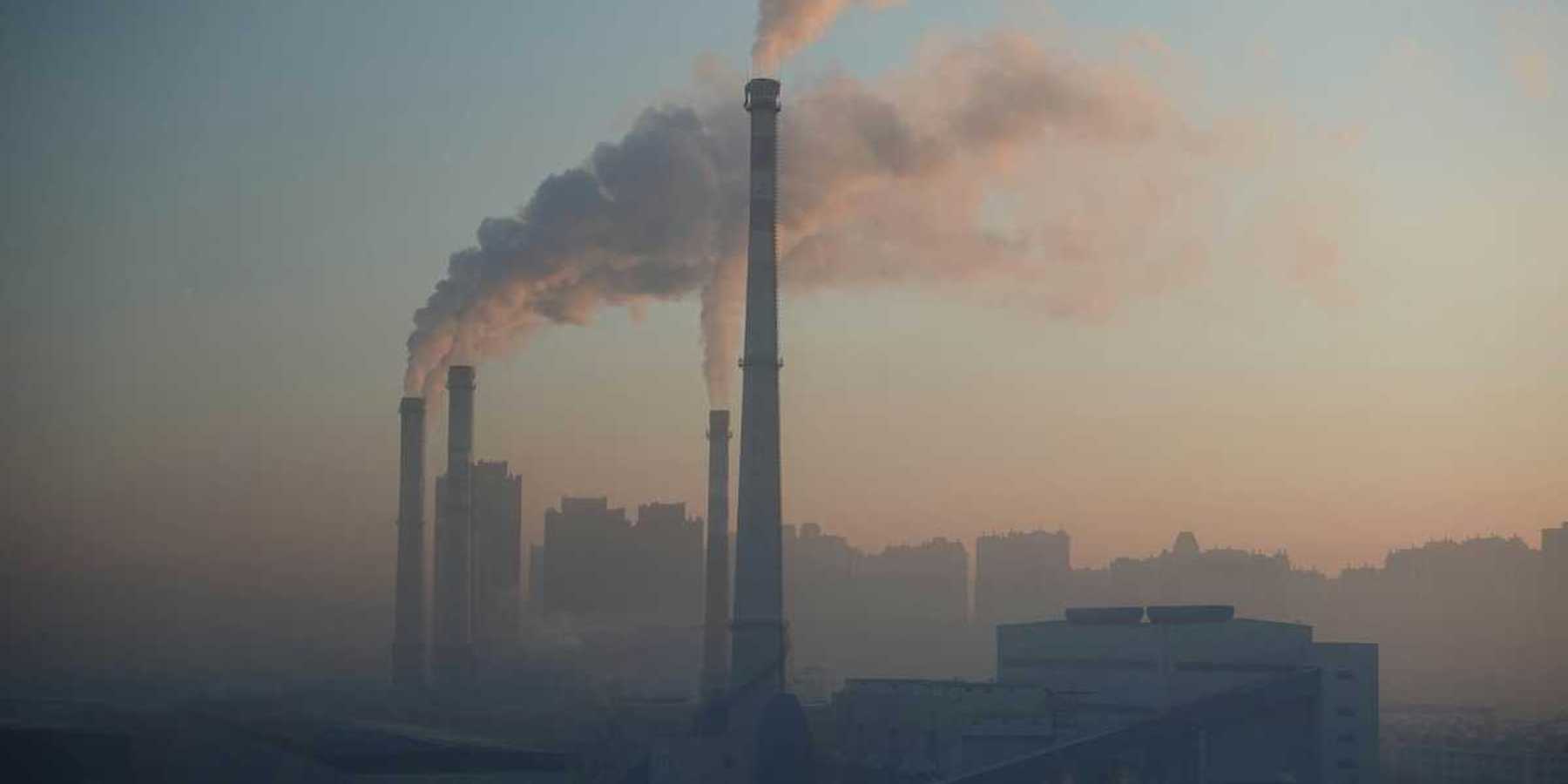
Smokestacks emitting pollution in Harbin, Heilongjiang, China

As it boosts renewables, China still can't break its coal addiction

Despite being a renewables superpower, China continues to permit and build new coal-fired power plants at a rapid pace. Analysts say the nation’s new five-year plan will ensure further coal plant expansion and jeopardize China’s ability to deliver on its climate promises.
Japanese fighter jets perform maneuvers in flight formation for military drills.
Credit: Kagenmi/BigStock Photo ID: 312022999

A turning point in the Iran war

The president is discovering the high stakes of an escalation that damages energy facilities.
A fur seal lounging on a rock in the sun

As waters around Alaska warm, algal toxins are turning up in new places in the food web

Fur seal die-offs in the Pribilof Islands, attributed to algal toxins, are part of a trend affecting people who depend on the Bering Sea.
A power plant's smokestacks billowing smoke into the air

Surging energy demand helps fuel Trump’s love affair with coal

Keeping coal plants online has become the U.S. grid’s unofficial insurance policy, even as their emissions exacerbate extreme weather.
From our Newsroom
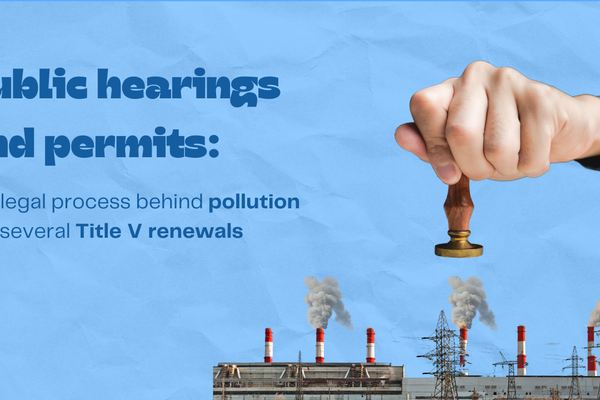
Multiple Houston-area oil and gas facilities that have violated pollution laws are seeking permit renewals

Multiple Houston-area oil and gas facilities that have violated pollution laws are seeking permit renewals

One facility has emitted cancer-causing chemicals into waterways at levels up to 520% higher than legal limits.

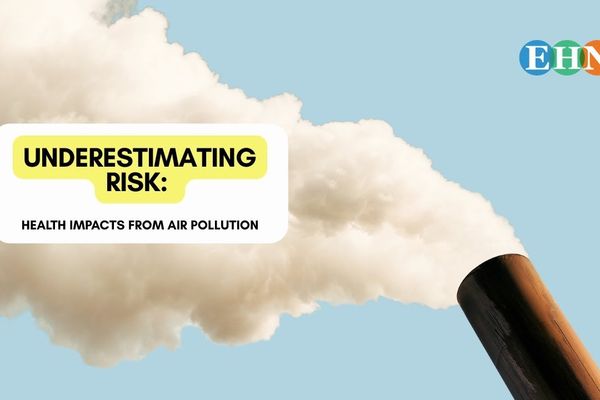
Regulators are underestimating health impacts from air pollution: Study

Regulators are underestimating health impacts from air pollution: Study

"The reality is, we are not exposed to one chemical at a time.”

Pennsylvania governor Josh Shapiro speaks with the state flag and American flag behind him.

Two years into his term, has Gov. Shapiro kept his promises to regulate Pennsylvania’s fracking industry?

A new report assesses the administration’s progress and makes new recommendations

silhouette of people holding hands by a lake at sunset

An open letter from EPA staff to the American public

“We cannot stand by and allow this to happen. We need to hold this administration accountable.”

wildfire retardants being sprayed by plane

New evidence links heavy metal pollution with wildfire retardants

“The chemical black box” that blankets wildfire-impacted areas is increasingly under scrutiny.

Stay informed: sign up for The Daily Climate newsletter
Top news on climate impacts, solutions, politics, drivers. Delivered to your inbox week days.