War's climate toll: Gaza conflict's heavy environmental impact

The Gaza war's emissions in just two months surpassed the yearly carbon output of a score of the world's most climate-vulnerable nations, a groundbreaking study indicates.

Nina Lakhani reports for The Guardian.


In short:

  • The conflict produced 281,000 metric tons of CO2, mainly from Israel's military actions, equivalent to burning 150,000 tons of coal.
  • U.S. cargo planes delivering military supplies to Israel contributed nearly half of these emissions.
  • Rebuilding Gaza's damaged infrastructure will further exacerbate the climate crisis, with emissions comparable to New Zealand's annual output.

Key quote:

“This study is only a snapshot of the larger military boot print of war … a partial picture of the massive carbon emissions and wider toxic pollutants that will remain long after the fighting is over.”

— Benjamin Neimark, Senior Lecturer at Queen Mary, University of London.

Visit EHN's energy section for more top news about energy, climate and health.

A family having a picnic in a greenfield

The psychological distance between us and climate disaster

An analysis of dozens of previously published studies reveals people systematically underestimate their own vulnerability to climate threats.
Petrochemical plant in twilight
Credit: Aunging/BigStock Photo ID: 198653959

Civil rights case probes racism behind Cancer Alley pollution

Federal lawsuit claiming local officials illegally pushed polluting industries into Black communities reaches new stage.
Small Black child sitting his fathers lap covering his eyes

Insurance has become the real disaster for Black families

From Altadena to Alabama, Black families learn the real catastrophe starts after the disaster, when insurers decide who is worth saving.
Petrochemical or refinery facility venting methane at night enveloped in toxic smoke

Why the Clean Air Act was never a ‘good fit’ for climate

The lawyers who successfully won the law’s climate authority once thought of it as a placeholder for stronger legislation.
An explosion with red fire and grey smoke

Iran shocks could spur a shift to clean energy — but also to coal

Environmentalists say the war’s effects on oil and gas prices are an argument for countries to get off fossil fuels. But the reality is likely to be messier.
Solar panels juxtaposed against transmission lines and wind turbines
Credit: kckate16/ BigStock Photo ID: 478351339

Iran war: How green energy shields countries from oil shocks

The Iran war has disrupted oil and gas trade. As countries like the US double down on fossil fuels, experts say the conflict shows how speeding up homegrown renewables is the only way to avoid future energy crises.
Spanish wind turbines operated by Acciona Energía, on the harbour wall at Bilbao.

Spain’s wind-farm bargain

Renewable-energy projects can boost the economy of a rural town—if the community has a say in development.
From our Newsroom
Multiple Houston-area oil and gas facilities that have violated pollution laws are seeking permit renewals

Multiple Houston-area oil and gas facilities that have violated pollution laws are seeking permit renewals

One facility has emitted cancer-causing chemicals into waterways at levels up to 520% higher than legal limits.

Regulators are underestimating health impacts from air pollution: Study

Regulators are underestimating health impacts from air pollution: Study

"The reality is, we are not exposed to one chemical at a time.”

Pennsylvania governor Josh Shapiro speaks with the state flag and American flag behind him.

Two years into his term, has Gov. Shapiro kept his promises to regulate Pennsylvania’s fracking industry?

A new report assesses the administration’s progress and makes new recommendations

silhouette of people holding hands by a lake at sunset

An open letter from EPA staff to the American public

“We cannot stand by and allow this to happen. We need to hold this administration accountable.”

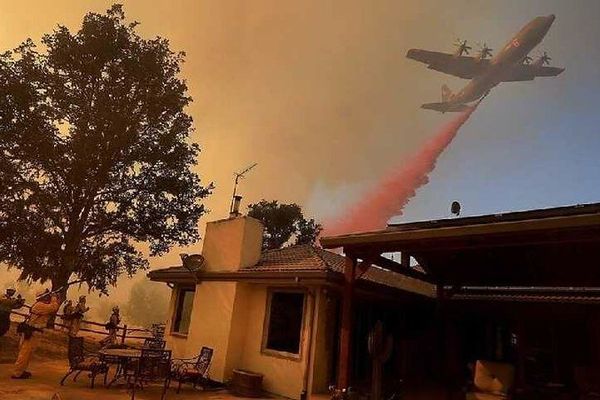
wildfire retardants being sprayed by plane

New evidence links heavy metal pollution with wildfire retardants

“The chemical black box” that blankets wildfire-impacted areas is increasingly under scrutiny.

Stay informed: sign up for The Daily Climate newsletter
Top news on climate impacts, solutions, politics, drivers. Delivered to your inbox week days.