Water supplies strained for 30 million Americans, report finds

Nearly 30 million Americans live in regions with stressed water supplies, with socially vulnerable groups and certain ecosystems at higher risk, according to a new USGS report.

Carey Gillam reports for The New Lede.


In short:

  • The USGS found 27 million people face "high local water stress," with socially vulnerable communities disproportionately affected.
  • Polluted waterways, primarily in the Midwest and High Plains, threaten human health with contaminants like arsenic and nitrates.
  • Climate change is altering the water cycle, exacerbating drought, flooding, and supply-demand imbalances that harm ecosystems and communities.

Key quote:

“Water availability is an issue everywhere in our country and beyond. It raises the question – do we have enough water to sustain our nation’s economy, ecosystems and drinking water supplies?”

— Lori Sprague, USGS national program manager

Why this matters:

Water is the foundation of life, yet for millions across the United States, access to clean and sufficient supplies is becoming an increasingly precarious reality. Pollution from industrial runoff, agricultural practices and aging infrastructure continues to contaminate vital water sources. Overuse of water resources — whether for irrigation, urban development, or energy production — further strains the delicate balance.

Related EHN coverage: US drinking water pollution could cause 100,000 cancer cases

A person holding a yellow inhaler

Greener inhaler use cuts carbon emissions across OUH

A shift towards lower‑carbon inhalers has helped cut carbon emissions at Oxford University Hospitals, supporting the ambition to reach net zero and reducing the environmental impact of care.

A health care professional wearing scrubs and a stethoscope leaning over an older patient in a bed

Climate change as a healthcare issue: Implications for physicians and practice leaders

Because the topic of climate change is often politicized, practice leaders may be tempted to avoid it, limiting meaningful engagement from clinicians and healthcare leaders.

Three women sitting under an umbrella in a European city

What is an urban heat island? Here's why cities are so much hotter than the countryside

Ever noticed that it tends to be far hotter in cities than the countryside? This is because of the urban ‘heat island’ effect.

A man and woman riding on a motorcycle on a city street

Undercover investigation reveals Europe-wide motorcycle emissions ‘scam’

Austrian motorcycle giant KTM is systematically bypassing laws designed to limit pollution and noise.

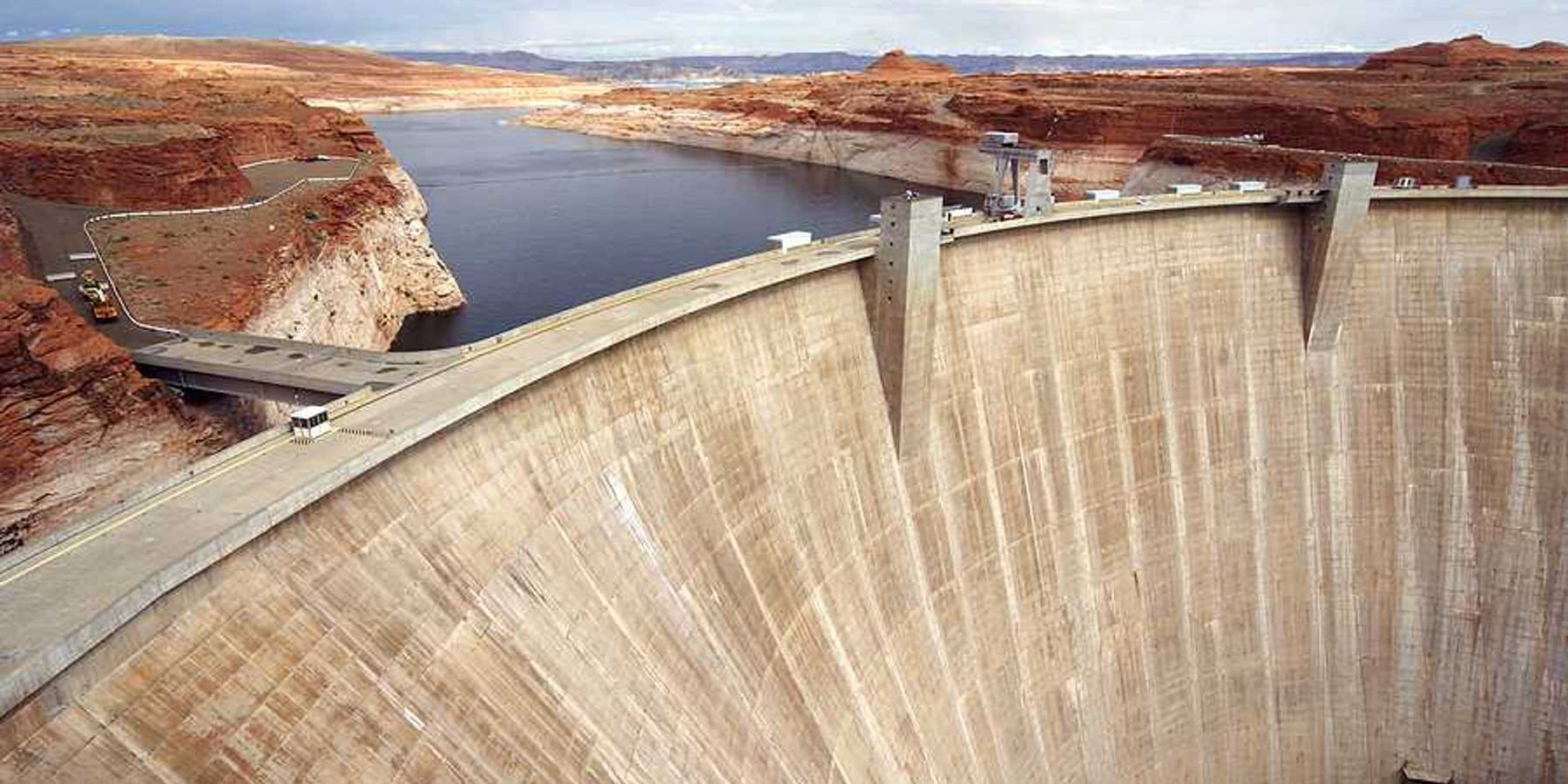
A view of a dam with a reservoir in the background

Cool water releases protect fish but reduce hydropower production

Federal officials are considering cool water releases for the third consecutive year at Glen Canyon Dam in Northern Arizona this summer to safeguard the humpback chub, a federally protected fish.
A view of solar panels with snow-covered hills behind them

Solar power expected to soon be cheaper than natural gas power in Anchorage

Because gas prices are expected to rise in coming years, a new solar project in Anchorage is poised to become cheaper than power generated by imported natural gas.

A gloved hand holding a petri dish

Our warming planet is a petri dish for new and deadly microbes

As rising temperatures reshape ecosystems around the world, scientists are warning that bacteria, fungi, and other microbes are adapting in ways that could threaten human health.

From our Newsroom
Multiple Houston-area oil and gas facilities that have violated pollution laws are seeking permit renewals

Multiple Houston-area oil and gas facilities that have violated pollution laws are seeking permit renewals

One facility has emitted cancer-causing chemicals into waterways at levels up to 520% higher than legal limits.

Regulators are underestimating health impacts from air pollution: Study

Regulators are underestimating health impacts from air pollution: Study

"The reality is, we are not exposed to one chemical at a time.”

Pennsylvania governor Josh Shapiro speaks with the state flag and American flag behind him.

Two years into his term, has Gov. Shapiro kept his promises to regulate Pennsylvania’s fracking industry?

A new report assesses the administration’s progress and makes new recommendations

silhouette of people holding hands by a lake at sunset

An open letter from EPA staff to the American public

“We cannot stand by and allow this to happen. We need to hold this administration accountable.”

wildfire retardants being sprayed by plane

New evidence links heavy metal pollution with wildfire retardants

“The chemical black box” that blankets wildfire-impacted areas is increasingly under scrutiny.

Stay informed: sign up for The Daily Climate newsletter
Top news on climate impacts, solutions, politics, drivers. Delivered to your inbox week days.