Wealthy nations struggle to meet climate funding demands from poorer countries

Wealthy nations face mounting pressure at COP29 to increase climate finance contributions to over $1 trillion annually as developing nations grapple with climate change impacts they did not cause.

Jocelyn Timperley and Isabelle Gerretsen report for BBC.


In short:

  • In 2009, developed nations pledged $100 billion annually by 2020 to help poorer countries adapt to climate change but missed this target until 2022, often offering loans instead of grants.
  • Current estimates suggest developing nations need at least one trillion dollars annually to meet climate goals and address climate impacts, with some proposing taxes on fossil fuel profits or a wealth tax to raise funds.
  • Major emitters like the U.S. contribute far below their calculated "fair share," fueling distrust and complicating global negotiations.

Key quote:

"Developing countries cannot meet their transition goals if there is no finance."

— Ani Dasgupta, president of the World Resources Institute.

Why this matters:

Developing countries disproportionately suffer the consequences of climate change despite contributing minimally to the problem. Without significant financial support, global efforts to mitigate climate change and prevent catastrophic warming will falter, exacerbating inequality and instability worldwide.


A dry river bed during a hot summer at Big Bend National Park in Texas.
Credit: Gestalt Imagery/ BigStock Photo ID: 377724310

What the Rio Grande’s more frequent dry-outs mean for the region’s animals and ecosystems

The stretch of the river through Albuquerque has run dry twice since 2022, after not doing so for decades, impacting all forms of life that depend on its flows.
Filipinos navigating flooded street on motorcycle
Credit: Photo by Dibakar Roy on Unsplash

The Philippines spent big on flood control, but the water keeps rising

Many Filipinos say floods are worse than ever — and now, the government has admitted that vast sums were embezzled from a program meant to fight the problem.
Aerial photo of coal-fired power plant
Credit: irphoto.gr/BigStock Photo ID: 4550715

Can the war on coal still be won?

Ten years ago, the U.S. was on track to phase out coal by 2030, thanks to the Sierra Club. Now Trump and AI are delaying the fuel’s decline.
arroyo in the arid Southwest canyon country with water running through it

WOTUS ‘wet season’ test would further shrink US regulatory reach

The Trump administration proposal offers an option for regulating only perennial waters, excluding a vast network of freshwater streams.
A warehouse or data center sited in the middle of green fields.
Credit: Getty Images/Unsplash+

Litigators build toolkit to fight AI data centers

The Trump administration’s plans to advance data centers and the energy to support them are sparking a legal backlash.
ocean waves near city buildings during daytime

Hurricane season is over. Here's why the US never got hit

For the first time in a decade, the U.S. avoided landfall, thanks to an atmospheric anomaly. But this hurricane season was exceptional in other bad ways, too.

A pipeline stretching across a snowy landscape

A new oilsands pipeline? What politicians won’t admit

A revived plan to build a massive bitumen pipeline from Alberta to BC’s northwest coast faces stark warnings from veteran energy analyst David Hughes, who says the project defies physical limits, climate goals and basic economic sense.

From our Newsroom
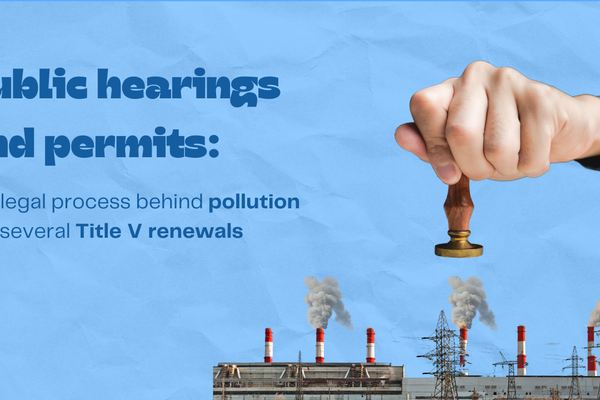
Multiple Houston-area oil and gas facilities that have violated pollution laws are seeking permit renewals

Multiple Houston-area oil and gas facilities that have violated pollution laws are seeking permit renewals

One facility has emitted cancer-causing chemicals into waterways at levels up to 520% higher than legal limits.

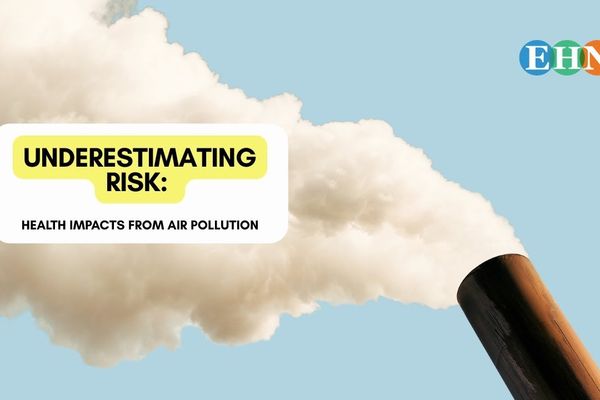
Regulators are underestimating health impacts from air pollution: Study

Regulators are underestimating health impacts from air pollution: Study

"The reality is, we are not exposed to one chemical at a time.”

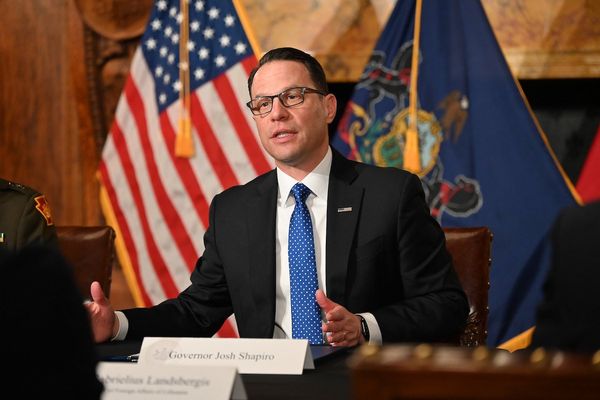
Pennsylvania governor Josh Shapiro speaks with the state flag and American flag behind him.

Two years into his term, has Gov. Shapiro kept his promises to regulate Pennsylvania’s fracking industry?

A new report assesses the administration’s progress and makes new recommendations

silhouette of people holding hands by a lake at sunset

An open letter from EPA staff to the American public

“We cannot stand by and allow this to happen. We need to hold this administration accountable.”

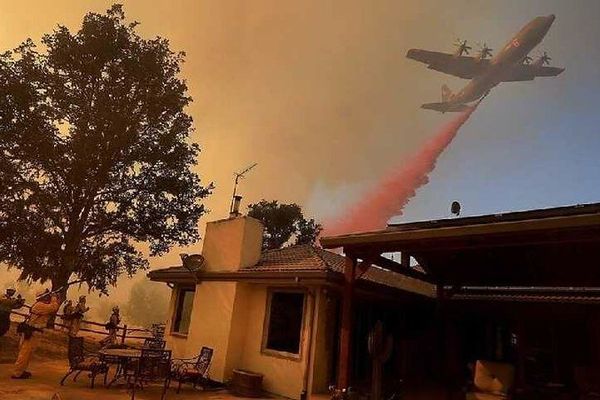
wildfire retardants being sprayed by plane

New evidence links heavy metal pollution with wildfire retardants

“The chemical black box” that blankets wildfire-impacted areas is increasingly under scrutiny.

Stay informed: sign up for The Daily Climate newsletter
Top news on climate impacts, solutions, politics, drivers. Delivered to your inbox week days.