Wildfires in Los Angeles bring widespread economic and health fallout

The ongoing Los Angeles wildfires are set to cause long-term economic strain, health risks and rising housing costs as the region grapples with widespread destruction.

Lydia DePillis reports for The New York Times.


In short:

  • Around 12,000 structures have been damaged or destroyed, with insurance only partially covering rebuilding costs. Public infrastructure also needs costly repairs.
  • Wildfires disrupt jobs, depress employment growth and harm industries like leisure and hospitality, which Los Angeles heavily relies on.
  • Health impacts include fatalities, respiratory illnesses and financial stress, leading to long-term harm for affected communities.

Key quote:

“We do know how to build things safer and smarter for this increasing reality we’re looking at.”

— Kimiko Barrett, analyst, Headwaters Economics

Why this matters:

Wildfires are becoming more severe due to climate change, affecting urban areas like Los Angeles on an unprecedented scale. Beyond immediate destruction, these disasters strain public resources, displace families and worsen economic inequality. Adopting fire-resilient infrastructure and smarter planning is critical to mitigate future risks.

Read more: M. Nolan Gray: California's wildfire crisis exposes policy missteps

A person holding a tray with a hospital meal on it

Plant-based foods in healthcare sustainability policy

Plant-based diets can improve health outcomes while reducing food-system environmental impacts.

A group of masked health professionals standing over a patient's bed

Bonn Climate Conference 2026: Health groups urged tripling climate adaptation finance

The Global Climate and Health Alliance says inadequate funding could weaken health systems and increase risks from malnutrition, waterborne diseases, extreme weather and disrupted healthcare.

A person taking a patient's blood pressure
Credit: A. C./Unsplash+

How can health systems withstand a changing climate?

Health supply chains remain highly vulnerable to climate shocks, with disruptions that, in some ways, echo the fragility exposed during COVID-19.

A view of a rocky beach from above with waves crashing on the shore

Confronting salty problems in the coastal plain

An interdisciplinary network of scientists and stakeholders is working to understand how saltwater intrusion and sea level rise are affecting rural communities and to help address the consequences.
View of a hospital waiting room

UC San Diego Health receives national awards for sustainability

UC San Diego Health was recognized for leadership in environmental sustainability, representing a commitment to supporting healthier patients, staff and communities.

An aerial view of the Hoover Dam

Rural Nevada counties especially vulnerable to Hoover Dam hydropower decline

As reservoirs continue to drop toward dire levels, rural communities that depend on Hoover Dam’s low-cost electricity are facing a precipice.

A woman holding a tablet looking out over a green farm field with a drone in the distance

A remarkable microbe could help farmers survive rising seas

As rising seas push salt water inland, scientists have found a naturally occurring bacterium that helps soybeans and other crops grow despite it — no genetic modification needed.

From our Newsroom
Multiple Houston-area oil and gas facilities that have violated pollution laws are seeking permit renewals

Multiple Houston-area oil and gas facilities that have violated pollution laws are seeking permit renewals

One facility has emitted cancer-causing chemicals into waterways at levels up to 520% higher than legal limits.

Regulators are underestimating health impacts from air pollution: Study

Regulators are underestimating health impacts from air pollution: Study

"The reality is, we are not exposed to one chemical at a time.”

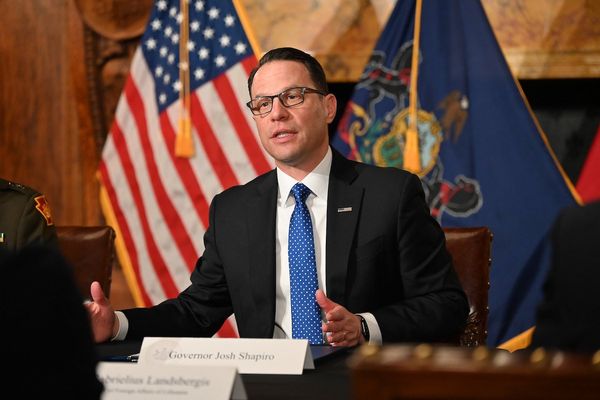
Pennsylvania governor Josh Shapiro speaks with the state flag and American flag behind him.

Two years into his term, has Gov. Shapiro kept his promises to regulate Pennsylvania’s fracking industry?

A new report assesses the administration’s progress and makes new recommendations

silhouette of people holding hands by a lake at sunset

An open letter from EPA staff to the American public

“We cannot stand by and allow this to happen. We need to hold this administration accountable.”

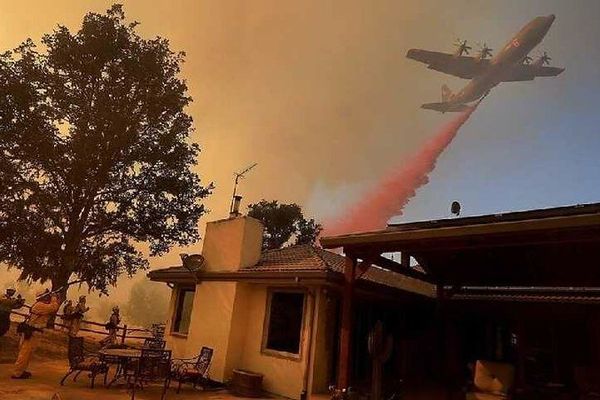
wildfire retardants being sprayed by plane

New evidence links heavy metal pollution with wildfire retardants

“The chemical black box” that blankets wildfire-impacted areas is increasingly under scrutiny.

Stay informed: sign up for The Daily Climate newsletter
Top news on climate impacts, solutions, politics, drivers. Delivered to your inbox week days.