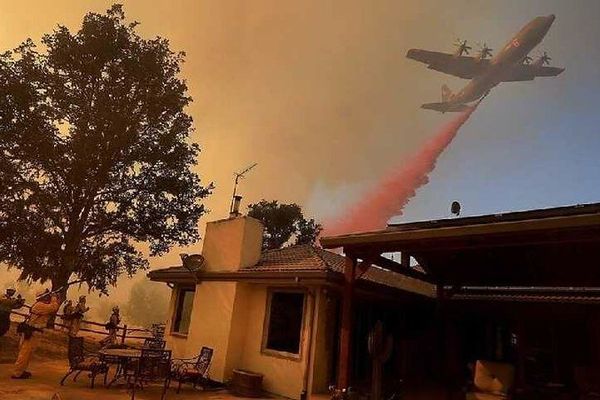
Wildfires now threaten almost every city on Earth

As wildfires intensify due to climate change, author John Vaillant warns that our old strategies to manage fires are no longer enough.

Kiley Bense reports for Inside Climate News.


In short:

  • Wildfires are growing more intense and occurring in unexpected places as climate change amplifies heat, drought and wind.
  • Modern firefighting is increasingly focused on saving lives, not stopping fires, as extreme conditions overwhelm resources and tactics.
  • California, as a global economic leader, could influence climate policy by adopting stricter building codes and energy reforms.

Key quote:

"Nature is speaking eloquently now through higher winds and hotter summers and more destructive fires."

— John Vaillant, author of Fire Weather

Why this matters:

Stronger, faster wildfires threaten homes, health and lives, with toxic smoke and economic disruptions adding to the toll. As traditional methods fail, cities must adapt to protect people and rethink development in a warming world.

Related:

A small solar panel on the balcony of a hotel

States OK solar panels for balconies. Safety guidelines haven't caught up

The “plug and play” simplicity that creates balcony solar’s appeal might not yet work safely with most household electrical systems, experts and utilities say.

A satellite image of a hurricane heading for Central America

Evidence builds showing climate change could be intensifying El NiĂąo events

As temperatures rise in the future, the number and frequency of strong El NiĂąos could increase even further, some experts say.

A row of glass jars with milk in them, with a sheaf of wheat in front of them

Oatly joins climate journalism campaign

The world’s largest producer of oat milk, Oatly, is pushing its customers and their governments to act on climate change, in a new milk carton campaign that's taking off in Europe and is expected in the United States within the next few months.
A view of a city street with smog or smoke in the air

Heatwaves, wildfires expose a third of world to extreme ozone pollution

Heatwaves and wildfires helped expose 34 percent of the world’s population to “extremely poor” ozone air quality in the first eight months of 2026, according to a European Union report says.

An image of frozen food in tupperware in a freezer

A 100-year-old freezer rule has a hidden climate cost

Frozen food worldwide is still kept at −18°C (0°F). Raising that by just three degrees could avoid 17 million tons of emissions a year, and an 18-month study found most foods stay safe and tasty.
From our Newsroom
Multiple Houston-area oil and gas facilities that have violated pollution laws are seeking permit renewals

Multiple Houston-area oil and gas facilities that have violated pollution laws are seeking permit renewals

One facility has emitted cancer-causing chemicals into waterways at levels up to 520% higher than legal limits.

Regulators are underestimating health impacts from air pollution: Study

Regulators are underestimating health impacts from air pollution: Study

"The reality is, we are not exposed to one chemical at a time.”

Pennsylvania governor Josh Shapiro speaks with the state flag and American flag behind him.

Two years into his term, has Gov. Shapiro kept his promises to regulate Pennsylvania’s fracking industry?

A new report assesses the administration’s progress and makes new recommendations

silhouette of people holding hands by a lake at sunset

An open letter from EPA staff to the American public

“We cannot stand by and allow this to happen. We need to hold this administration accountable.”

wildfire retardants being sprayed by plane

New evidence links heavy metal pollution with wildfire retardants

“The chemical black box” that blankets wildfire-impacted areas is increasingly under scrutiny.

Stay informed: sign up for The Daily Climate newsletter
Top news on climate impacts, solutions, politics, drivers. Delivered to your inbox week days.