Climate change is creating anxiety in a growing number of people.
While research is still lacking, some mental health professionals recommend that people who feel climate anxiety try to take action – make an emergency backpack, write to a local politician, or if possible, join a climate group.
But even people who’ve centered their lives on climate action and social justice can sometimes end up feeling depressed and anxious. That’s where Seth Bush comes in. He lives in Swissvale, east of Pittsburgh, and is a certified professional coach and a partner at the Radical Support Collective, which works with social and environmental change leaders.
They meet with individuals and groups to help people envision and start working to create the future they want. At one online session, he opened by asking participants to introduce themselves, and provide one “delicious detail” of their vision for the future. One person envisioned green spaces available to everyone. Another wanted a society where more people help each other.
The Allegheny Front’s Julie Grant spoke with Seth Bush about his work, especially in terms of helping leaders in the environmental and justice communities who might be feeling burned-out or overwhelmed.
Listen to the story or read the transcript below.
Transcript
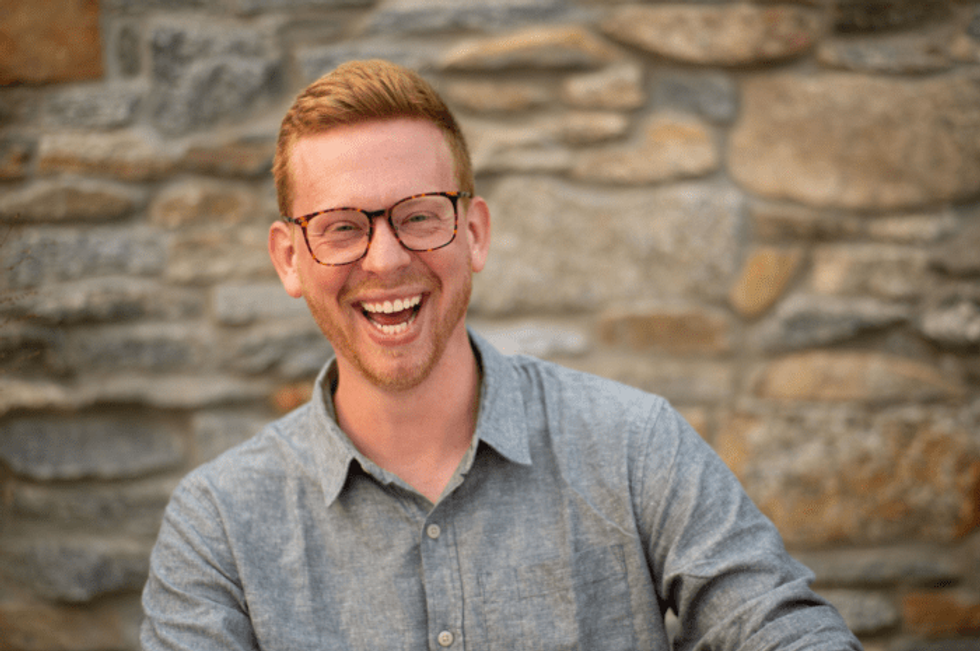
Credit: Seth Bush
Seth Bush: We’re talking a little bit about eco-anxiety, that at some level we are all experiencing the pain of seeing the forest fires and the hurricanes and the hunger and what humans can do to each other, you know, and hurt each other with covid, right? All of these crises.
I believe that people really in their hearts want to do something to make the world a better place, and the truth is, when we actually look at that, that can be a little bit overwhelming. Where do I start? What do I do? What’s my part in all of this? Can I really even make a difference?
I love working with those people who have seen in their hearts that they want to be contributing to their communities, and might be naturally bumping up against that threshold, so to speak, between their vision for making a difference and actually doing it.
The Radical Support Collective website explains that while climate work is an urgent need, being overwhelmed and in a constant state of urgency gets in the way. Bush takes changing that mindset seriously.
Julie Grant: When I first contacted you this summer, I got an automatic reply that said, “I’m taking a Rest Month during August and will not be replying to your email.” Can you talk about the idea of a rest month?
Bush: I want to live in a world where we’re not rushing all the time from thing to thing to thing to thing. I want to live in a world where our society is structured such that we’re not in crisis mode all the time, where we’re not urgently running around exhausting ourselves.
So our team got together a couple of years ago and said, ‘Let’s actually practice this. We don’t exactly know how it’s going to turn out, but we’re going to commit to taking a whole month off every year.’
We actually structure our whole year to prepare to be able to take a whole month off. So we’re actually intentionally saying, ‘OK, let us structure our programs, our income, how we run our business so that we have a really spacious rest month.’ It’s our time to see what happens to our bodies and see what happens to our minds as we step away from our computers for most of the month and step away from our day-to-day work.
What I love about it is we get to actually learn some things that we want to integrate back into our work so that rest doesn’t just become a month off every year, but rest becomes something that we can integrate into our day-to-day work, because, again, we really believe that for social change leaders to actually make a difference, we have to first have the capacity to vision the world we want.
Second, we learn how to live our lives right now as if we’re already living in that world that we want. So if I want a world where everybody is well-rested, I need to practice rest right now. So that’s why we take a month off.
Grant: How do you talk with people who have anxiety about the state of the climate, the environment, and humanity?
Bush: There’s nothing wrong with you if you’re experiencing pain for the world right now. My teacher Joanna Macy says our pain for the world is just a sign of our love for the world. That pain that we start to experience, the worry about the future, the worry about the suffering that we’re seeing about ecosystem collapse, about what the world is going to be like for our children – it just shows that we have really big hearts and that it’s actually the most human experience we can possibly have.
What if we had the skills to look this eco-anxiety in the face and say, ‘There’s nothing wrong here, let’s work together to move through it’? You don’t have to wallow in it. You don’t have to stay in it forever. Moving through it means metabolizing it. It means transmuting it, transforming that pain into some new possibilities that you might not even have been able to see before.
Grant: You talk with environmental and social change leaders in the PIttsburgh area and elsewhere – people who are trying to move toward a clean, supportive and equitable future. Are you worried, or do you hear concerns from others about developments like the new Shell petrochemical plant in Beaver County, or air pollution from the U.S. Steel plant in Clairton?
Bush: It’s not a far stretch to go down that particular pathway of despair, if we keep going the way we’re going with business as usual. What is Pittsburgh going to look like? I definitely hear that from activists and organizers.
The people who have a vision for what Pittsburgh could look like [have] some really beautiful visions for what Pittsburgh could look like. There’s some really, really smart people in Pittsburgh and in western Pennsylvania who have been thinking a lot about what is possible for this region and what could be possible for this region.
Seth Bush is a partner at the Radical Support Collective.
See more about at Pollution’s mental toll: How air, water and climate change shape our mental health.
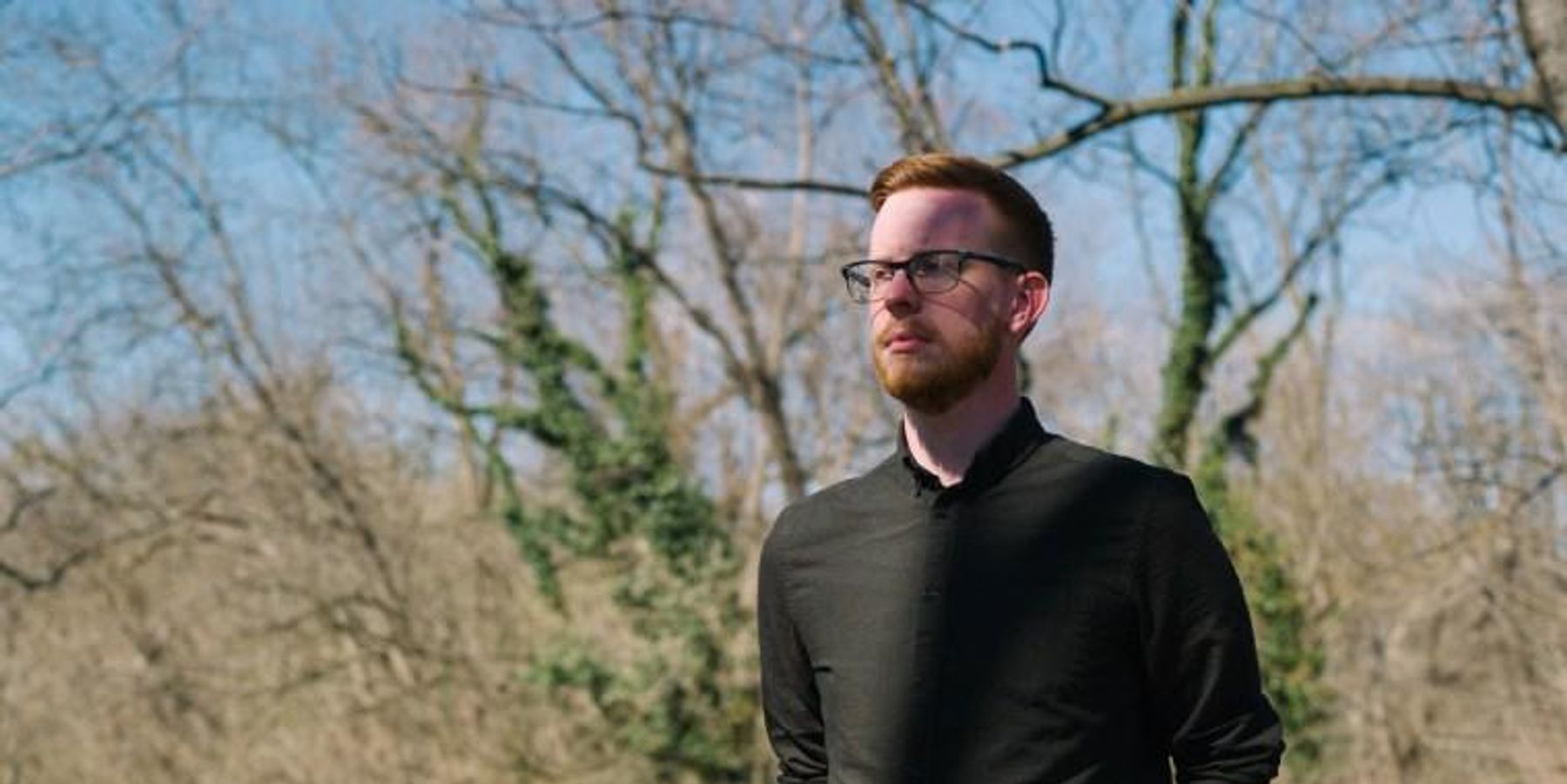
Banner photo: Seth Bush of the Radical Support Collective helps change leaders and others embrace the vision they see for the future. (Credit: Seth Bush)