Good News

Our top 5 good news stories of 2020

Because we could all use a little more cheer.

We can all agree that 2020 was a challenging year.


Good news feels hard to come by lately. And when you work in environmental news, it can seem even more rare.

Yet, the year was not without progress (yes, seriously!). Check out five good news stories from our newsroom that you may have missed below.

1. A Northeast US climate initiative has had a major side benefit—healthier children

Researchers estimate a climate effort in the Northeast U.S. helped the region reduce toxic air pollution and avoid hundreds of asthma and autism cases, preterm births, and low birth weights.

2. Roadmap points Europe toward safer, sustainable chemicals
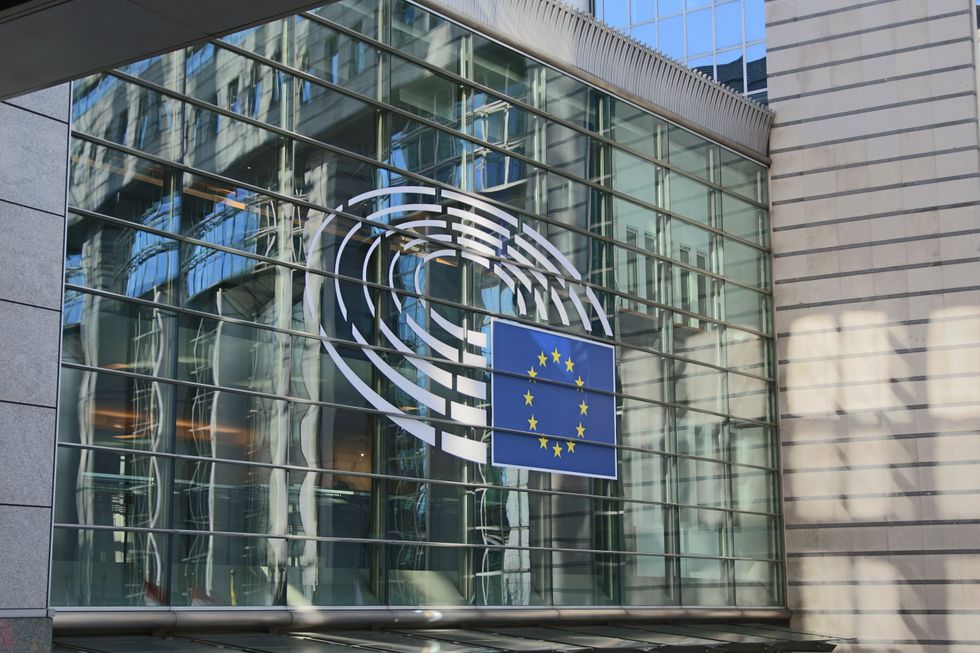
EU Commission releases ambitious strategy for getting hormone-disrupting chemicals out of food, products, and packaging.

3. Solar power on the rise at US schools
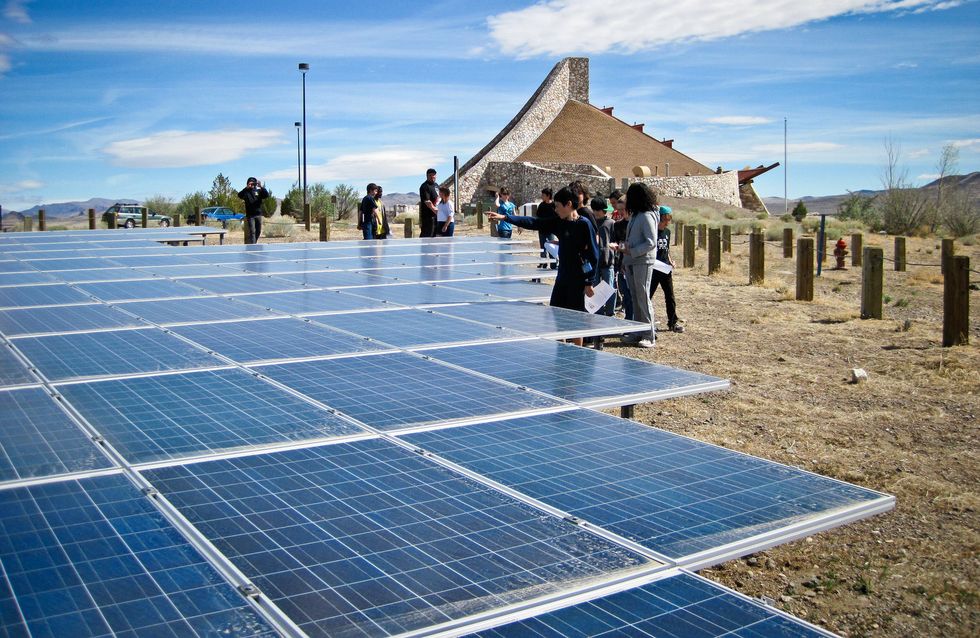
Report finds an 81% increase in K-12 schools using solar power over the last 5 years.

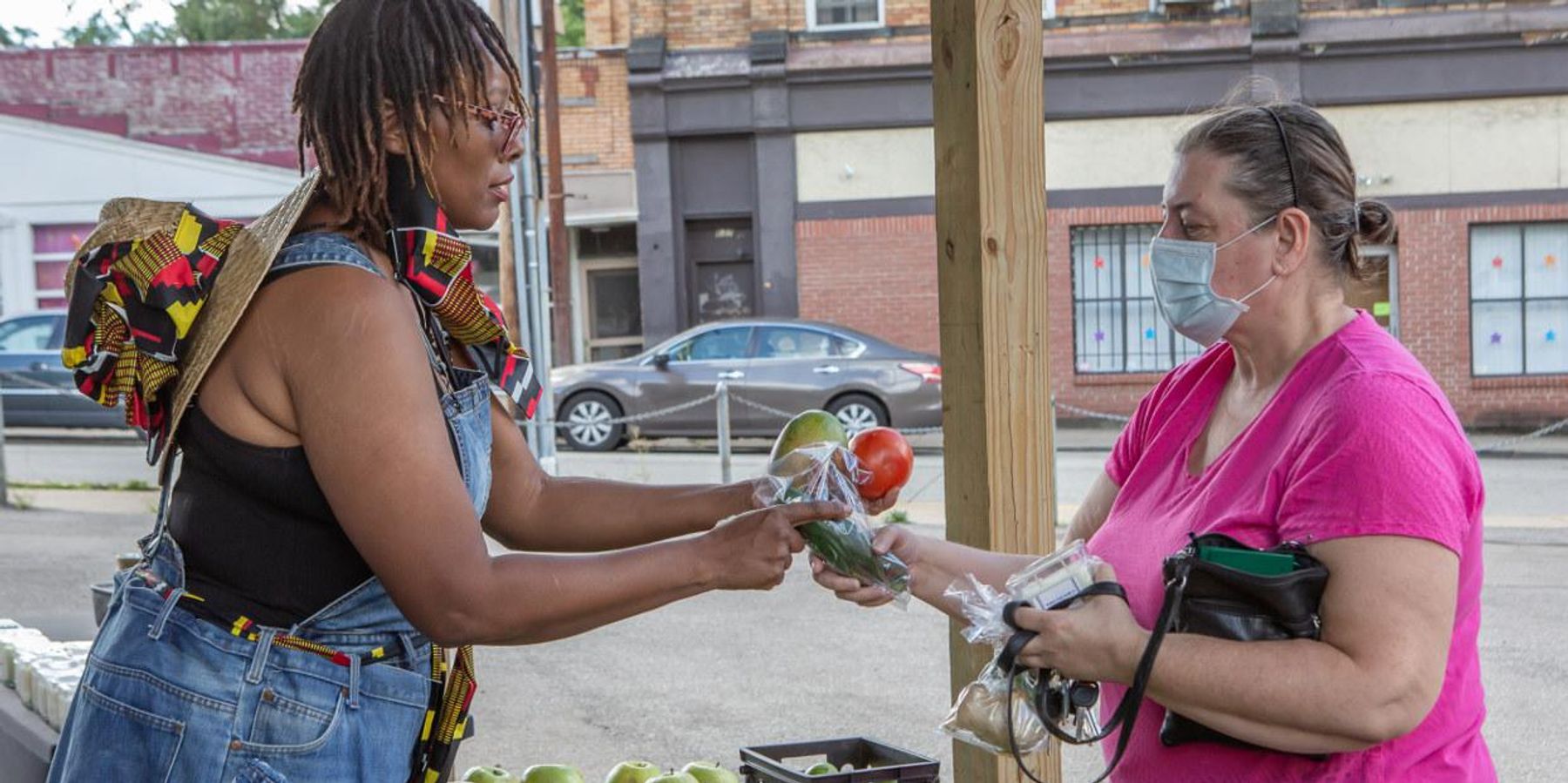
4. Pittsburgh’s Black farmers work to grow a new future

A small group of new farmers have seeded a movement to change the local food industry.

5. Derrick Z. Jackson: A Rhode Island city gets serious about climate justice

In its climate action plan, Providence, Rhode Island, is giving frontline residents' health equal billing with carbon reduction. Other cities should pay attention.


Banner photo: Ebony Lunsford-Evans, owner of FarmerGirlEB in Pittsburgh, helps a customer. (Credit: Brian Cook)


A view of people on a beach with their feet in the sand

As sand slips away, California beach towns dig in

Some Southern California beaches are losing sand. This threatens coastal towns’ identity, tourism, and infrastructure — and costs millions to replenish.

A view of Senator Mitch McConell

Mitch McConnell’s climate legacy

During his decades-long career, the retiring senator blocked climate action at every opportunity.
A firetruck facing an inferno with a house completely on fire

US buildings lost to wildfires could triple by 2060

The country could reduce the risk by better managing forests and housing development to account for climate change, new research suggests.
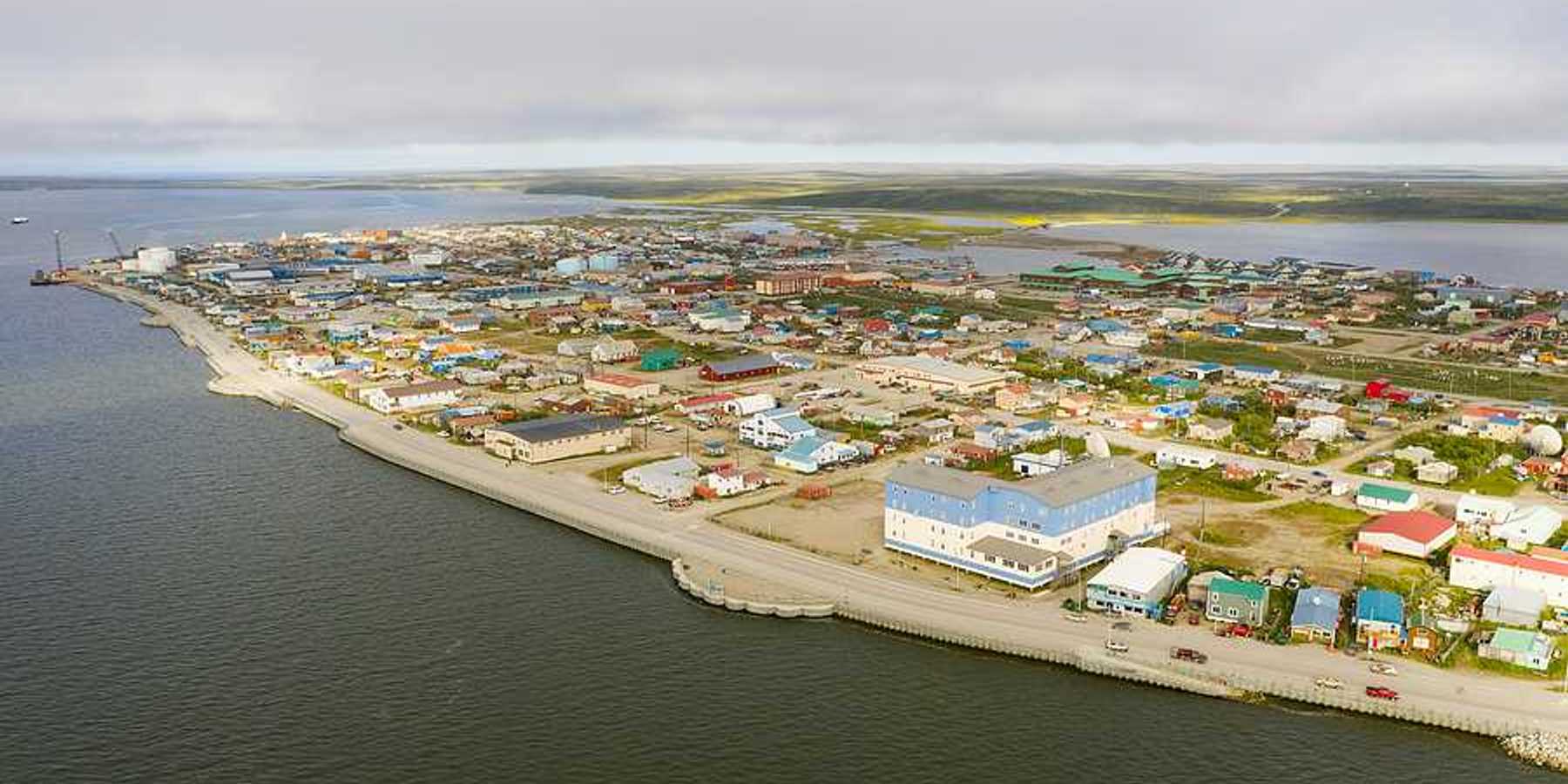
An aerial view of the Alaskan town of Kotzebue

DOGE cuts cost tribes $470M, gutting funding for climate projects

Two new reports reveal how federal funding cuts have stripped hundreds of millions of dollars from Indigenous communities, jeopardizing renewable energy projects, climate resilience efforts and tribal sovereignty.

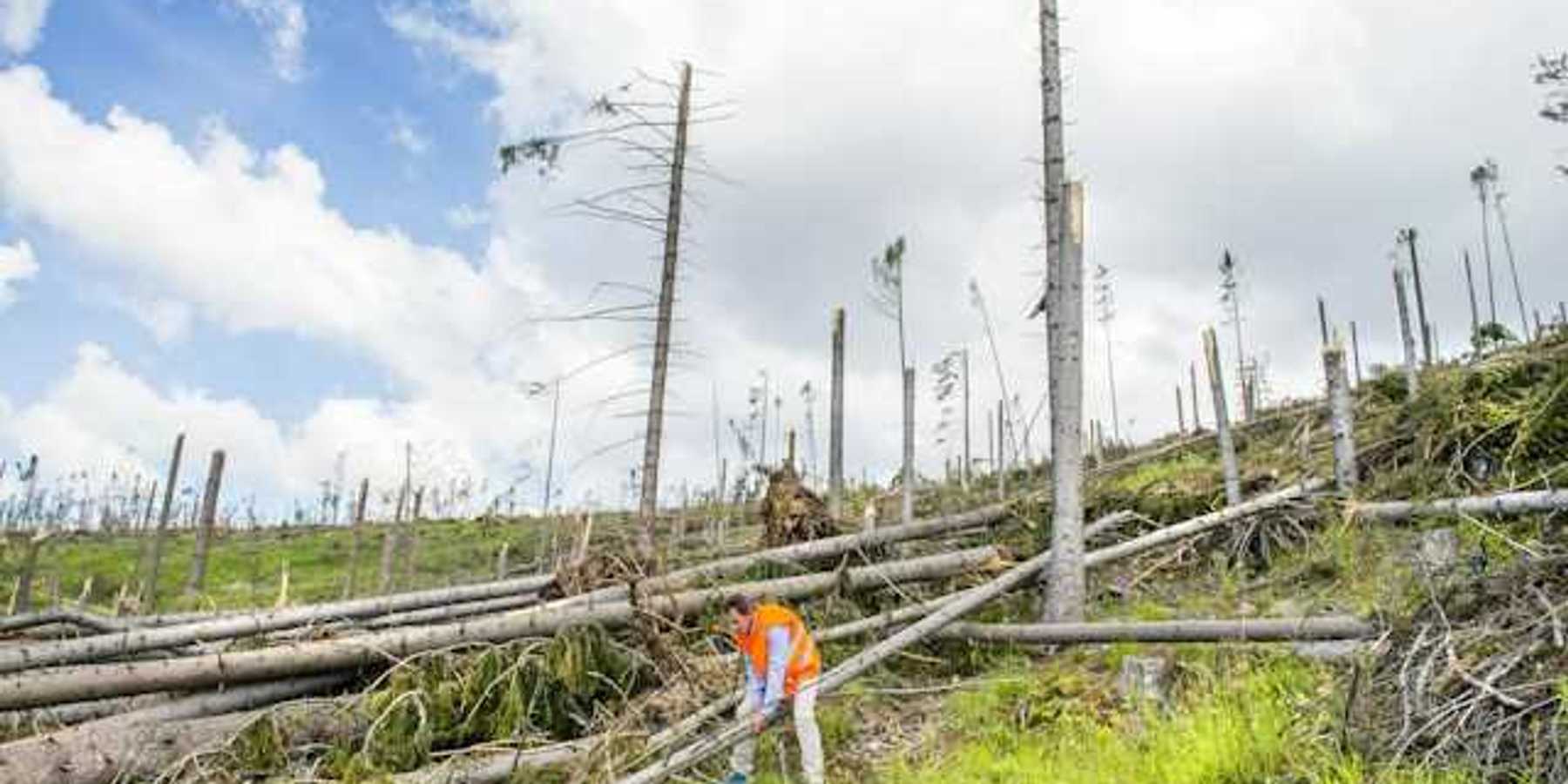
A worker standing on a hillside that has been logged

Brazil wraps up COP30 with fossil fuel, forest roadmaps, urging shift from talks to action

Brazil is ending its year-long presidency of ​the UN climate process with roadmaps aimed at curbing deforestation and accelerating a shift away from fossil fuels to help governments deliver on past ‌climate agreements.
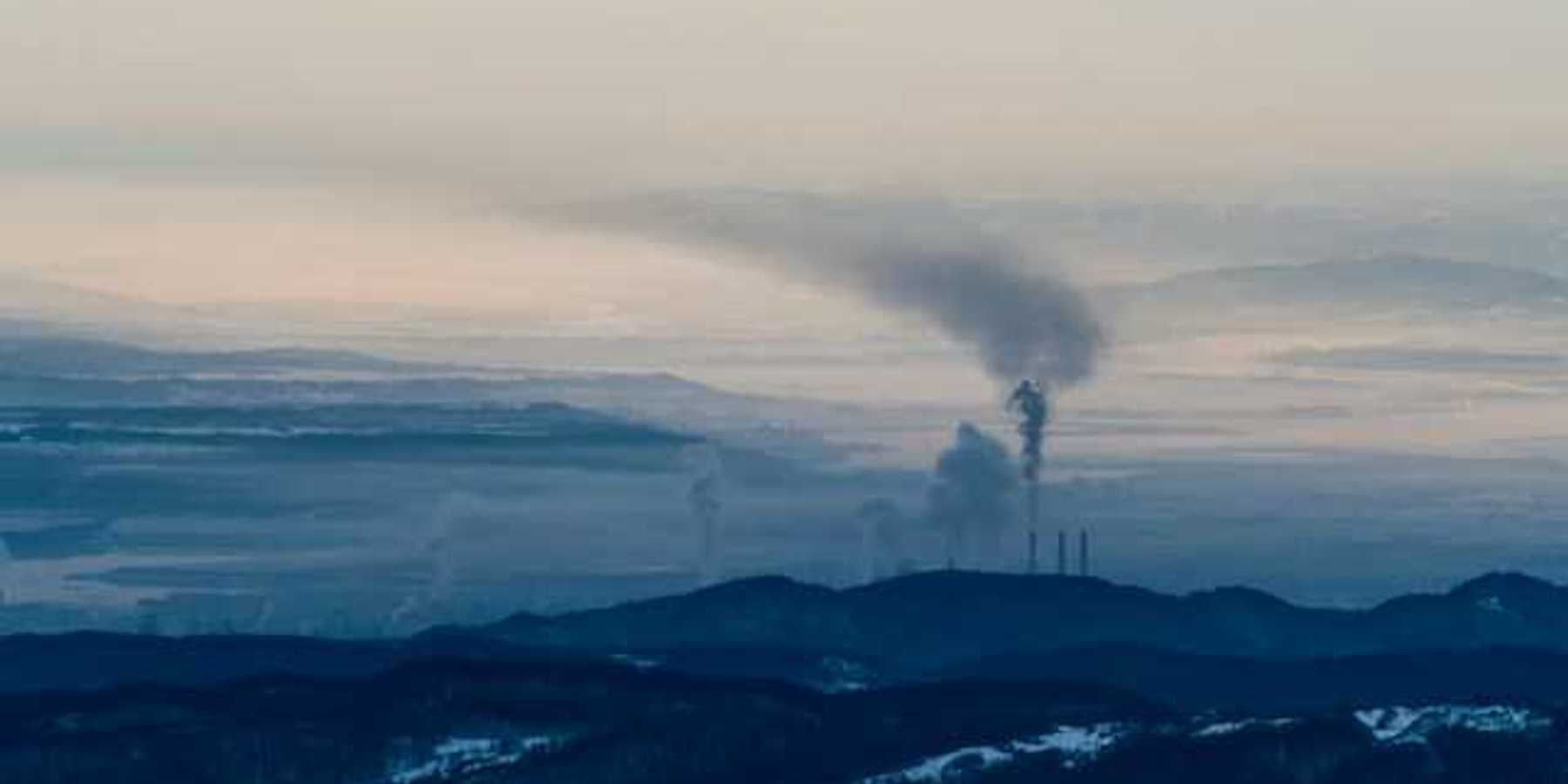
Industrial smoke from towers over a misty valley

William Nordhaus pioneered putting a price on pollution

Economist William Nordhaus said putting a price on pollution was the best way to reduce climate change. Then came the fossil fuel lobby and the anti-tax movement.
From our Newsroom
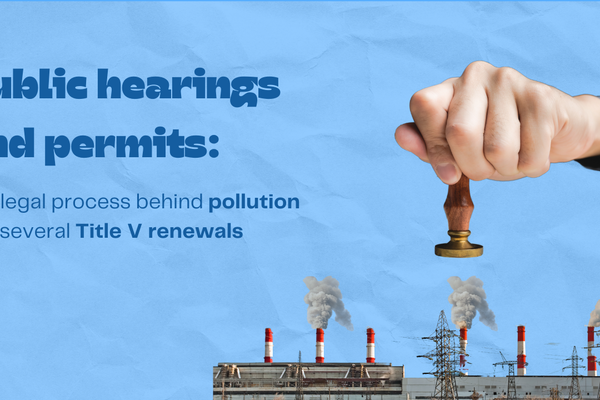
Multiple Houston-area oil and gas facilities that have violated pollution laws are seeking permit renewals

Multiple Houston-area oil and gas facilities that have violated pollution laws are seeking permit renewals

One facility has emitted cancer-causing chemicals into waterways at levels up to 520% higher than legal limits.

Regulators are underestimating health impacts from air pollution: Study

Regulators are underestimating health impacts from air pollution: Study

"The reality is, we are not exposed to one chemical at a time.”

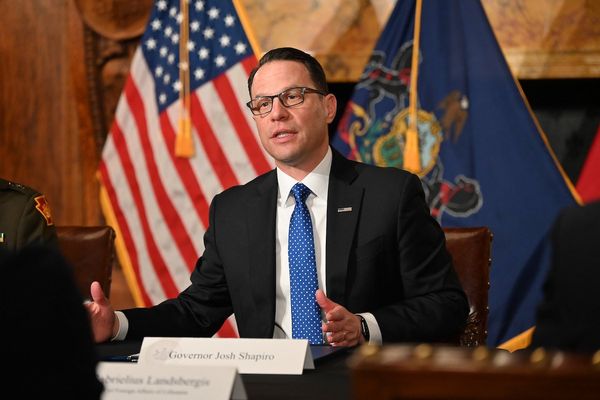
Pennsylvania governor Josh Shapiro speaks with the state flag and American flag behind him.

Two years into his term, has Gov. Shapiro kept his promises to regulate Pennsylvania’s fracking industry?

A new report assesses the administration’s progress and makes new recommendations

silhouette of people holding hands by a lake at sunset

An open letter from EPA staff to the American public

“We cannot stand by and allow this to happen. We need to hold this administration accountable.”

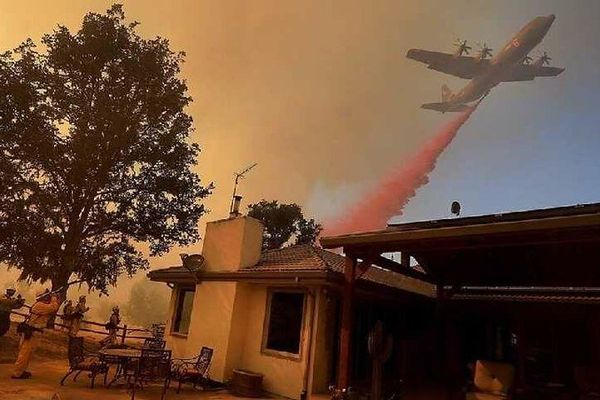
wildfire retardants being sprayed by plane

New evidence links heavy metal pollution with wildfire retardants

“The chemical black box” that blankets wildfire-impacted areas is increasingly under scrutiny.

Stay informed: sign up for The Daily Climate newsletter
Top news on climate impacts, solutions, politics, drivers. Delivered to your inbox week days.