Florida cities struggle with climate change as state policy stalls

Florida’s hottest climate and aging population are facing increasing heat-related health risks, but state policy shaped by Governor Ron DeSantis resists comprehensive action.

Nada Hassanein reports for Stateline.


In short:

  • Florida, the hottest state in the U.S., has no statewide plan to address heat-related health risks linked to climate change.
  • Local governments and nonprofits are stepping in to fill the gaps left by state policy, though they lack sufficient resources.
  • Governor DeSantis has blocked measures that address climate change, focusing instead on limited efforts to manage sea level rise.

Key quote:

“We must adapt to the warming climate, but the decisions we make right now, not addressing the root cause of the problem, is really unacceptable. You cannot adapt your way out of climate change.”

— Susan Glickman, vice president of policy and partnerships at the CLEO Institute

Why this matters:

Florida’s vulnerability to climate change endangers public health, especially for its older population. Without comprehensive state action, these risks will likely worsen, leaving local efforts insufficient to meet growing challenges.

Read more:

People silhouetted in an arch carrying suitcases and walking toward the setting sun

Can this film change our understanding of the climate and migration crises?

Josh Fox fueled the fight against fracking with his documentary Gasland. His latest film, The Welcome Table, sends a potent message on climate and immigration.
A view of a tropical beach covered in green ground cover with a dog walking through it

Bank credit remains scarce in Bangladesh where climate risks are highest

The flow of bank credit to climate-vulnerable regions in Bangladesh remains low, with lending heavily concentrated in major commercial areas, including Dhaka.

A beaver chewing on leaves in a water source

Beavers help heal watersheds in drought-stricken US West, experts say

Beaver dams slow moving water in a way that promotes localized year-round availability, creates habitat for native fish and provides a natural break that slows wildfires.

A view of the front of the White House on a sunny day

Trump vowed to stop an 'energy emergency.' Then he created a real one

The president used executive powers to boost oil and coal, but he can't fix the shortages caused by the Iran war.
An aerial view of a complex of buildings

Data centers are burning fossil fuels. It's destroying Big Tech's climate goals

In his new book, Paris Marx explores how global anti-data center movements are fighting Big Tech’s power over us.
From our Newsroom
Multiple Houston-area oil and gas facilities that have violated pollution laws are seeking permit renewals

Multiple Houston-area oil and gas facilities that have violated pollution laws are seeking permit renewals

One facility has emitted cancer-causing chemicals into waterways at levels up to 520% higher than legal limits.

Regulators are underestimating health impacts from air pollution: Study

Regulators are underestimating health impacts from air pollution: Study

"The reality is, we are not exposed to one chemical at a time.”

Pennsylvania governor Josh Shapiro speaks with the state flag and American flag behind him.

Two years into his term, has Gov. Shapiro kept his promises to regulate Pennsylvania’s fracking industry?

A new report assesses the administration’s progress and makes new recommendations

silhouette of people holding hands by a lake at sunset

An open letter from EPA staff to the American public

“We cannot stand by and allow this to happen. We need to hold this administration accountable.”

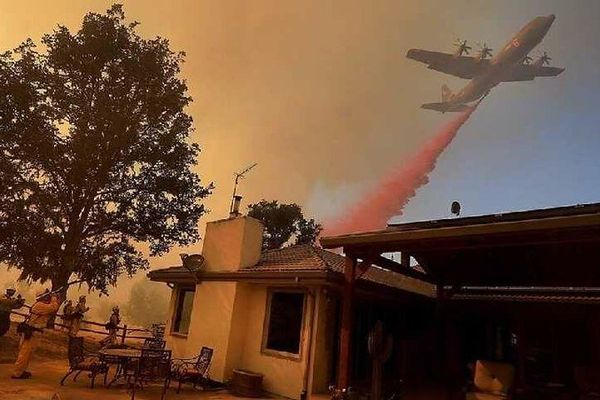
wildfire retardants being sprayed by plane

New evidence links heavy metal pollution with wildfire retardants

“The chemical black box” that blankets wildfire-impacted areas is increasingly under scrutiny.

Stay informed: sign up for The Daily Climate newsletter
Top news on climate impacts, solutions, politics, drivers. Delivered to your inbox week days.