Leading cardiology societies call for stronger protections against environmental hazards
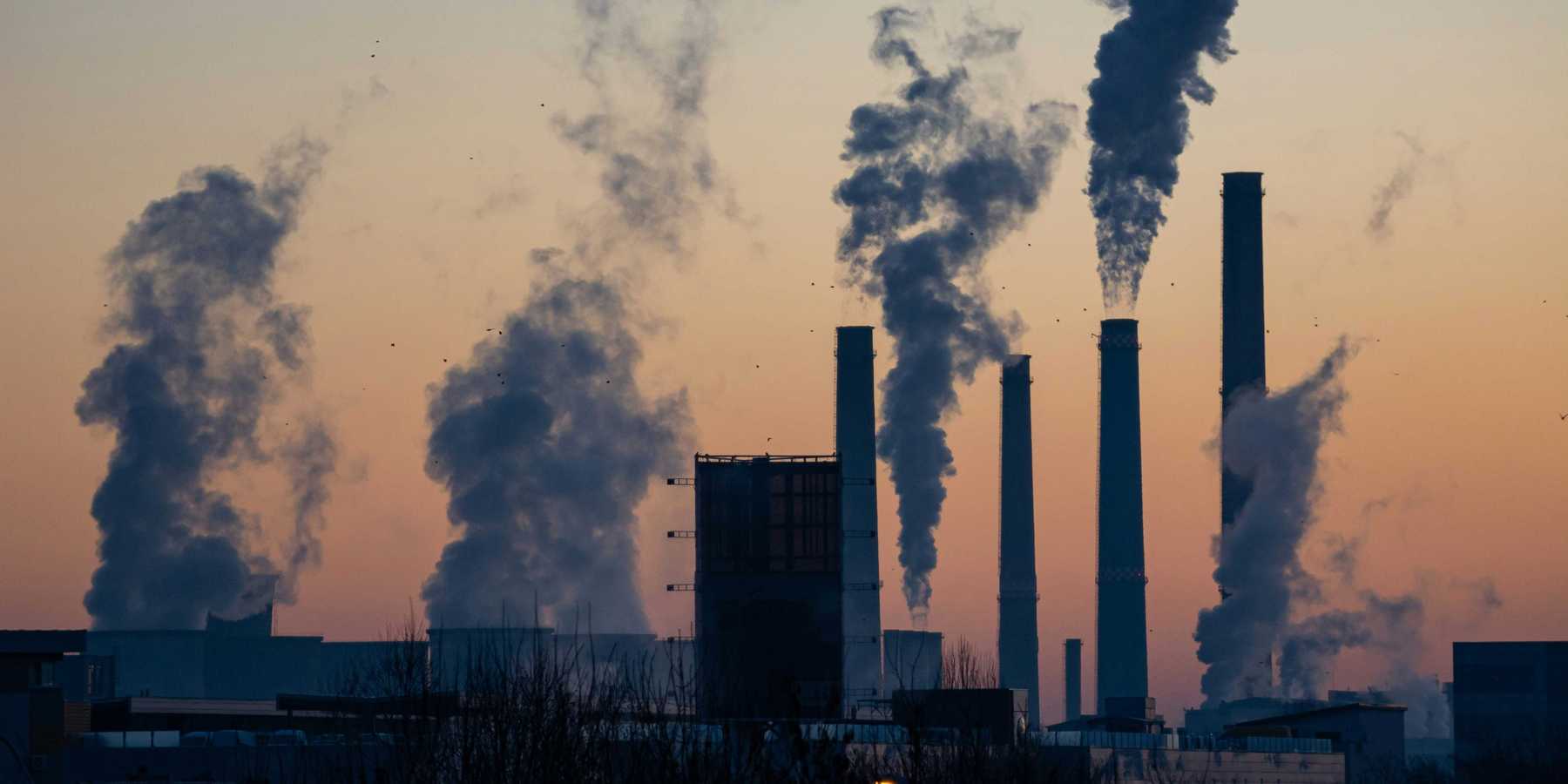
Photo by Ella Ivanescu on Unsplash

Leading cardiology societies call for stronger protections against environmental hazards

Four international cardiology societies — the American Heart Association, the American College of Cardiology, the European Society of Cardiology, and the World Heart Federation — issued a joint statement urging for regulatory action to address the role of toxic environmental exposures in cardiovascular disease.


In short:

  • Growing evidence shows environmental exposures — including air pollution, chemical pollution, plastics, climate change, and artificial noise and light — may be contributing significantly to the rise in cardiovascular disease.
  • Of these hazards, air pollution poses the greatest risk, likely by causing inflammation in the lungs and throughout the circulatory system.
  • The multiple hazards associated with climate change like extreme heat and wildfires may also threaten cardiovascular health via dehydration, arrhythmia, and severe coronary events (such as heart attacks).


Key quote:

"A unified voice was needed to state clearly that the science is settled—and that continued inaction reflects political and structural inertia rather than scientific uncertainty.”

- Lead study author Dr. Thomas Münzel, via JAMA Medical News


Why this matters:

Cardiovascular disease is the leading cause of death worldwide, contributing to roughly 44% of deaths from noncommunicable diseases. When speaking with JAMA Medical News, lead author Dr. Münzel contributed at least 1 in 5 of the 20 million annual global cardiovascular disease deaths to environmental hazards. The authors of this statement call on both policymakers and clinicians to address environmental exposures “with the same seriousness as traditional cardiovascular risks,” fully integrating them into regulations and patient care.


Related EHN coverage:


More resources:


Münzel, T. et al. (2026). Environmental Stressors and Cardiovascular Health: Acting Locally for Global Impact in a Changing World: A Statement of the European Society of Cardiology, the American College of Cardiology, the American Heart Association, and the World Heart Federation. Circulation

Anderer, S. (2026). Cardiology Societies Urge Action on Environmental Risk Factors. JAMA Medical News
A forest of dry trees with a dry field in the foreground

Western drought threatens water supply, boosts wildfire risk

Western communities face a dangerously dry summer as record heat melts snow, threatening drinking water and increasing wildfire risk.
A girl holding a bowl with easter chocolate in it

‘Easter eggflation’: How climate change and budget cuts have sent the price of chocolate soaring

Human-caused climate change has fueled extreme weather events in West Africa, triggering cocoa production to plummet.

A sign saying DO IT! and Don't Quit!

Opinion: As the oil majors retreat on climate promises, industry insiders ask whether to stay or go

“I had to decide if this was really a career I wanted to dedicate my life to. The obvious and unavoidable answer was no.”
A ski run with green bushes growing under it and mountains the background

In record heat, US ski resorts bulldoze snow, skiers wear bikinis

Unseasonably warm temperatures and record-low snowfall across the U.S. West are forcing ski resorts to close early, bulldoze snow onto runs and contend with dwindling visitors.

A view of a bucolic farm setting

How a tiny farm county fought a data center complex and won

Talen Energy wanted 800 acres of Pennsylvania farmland rezoned to develop the center with Amazon. The community fought it.
Solar panels juxtaposed against transmission lines and wind turbines
Credit: kckate16/ BigStock Photo ID: 478351339

Clean energy companies are trying to survive the Trump era

Offshore wind is out. Geothermal power is in. And many climate technology startups are looking for ways to carry on without federal backing.

Lines of morse code in red and black

To keep climate science alive, researchers are speaking in code

Words considered "woke" are vanishing from National Science Foundation proposals. Grist tracked the changes.
From our Newsroom
Multiple Houston-area oil and gas facilities that have violated pollution laws are seeking permit renewals

Multiple Houston-area oil and gas facilities that have violated pollution laws are seeking permit renewals

One facility has emitted cancer-causing chemicals into waterways at levels up to 520% higher than legal limits.

Regulators are underestimating health impacts from air pollution: Study

Regulators are underestimating health impacts from air pollution: Study

"The reality is, we are not exposed to one chemical at a time.”

Pennsylvania governor Josh Shapiro speaks with the state flag and American flag behind him.

Two years into his term, has Gov. Shapiro kept his promises to regulate Pennsylvania’s fracking industry?

A new report assesses the administration’s progress and makes new recommendations

silhouette of people holding hands by a lake at sunset

An open letter from EPA staff to the American public

“We cannot stand by and allow this to happen. We need to hold this administration accountable.”

wildfire retardants being sprayed by plane

New evidence links heavy metal pollution with wildfire retardants

“The chemical black box” that blankets wildfire-impacted areas is increasingly under scrutiny.

Stay informed: sign up for The Daily Climate newsletter
Top news on climate impacts, solutions, politics, drivers. Delivered to your inbox week days.