Environmental Health Sciences Staff

Leading cardiology societies call for stronger protections against environmental hazards
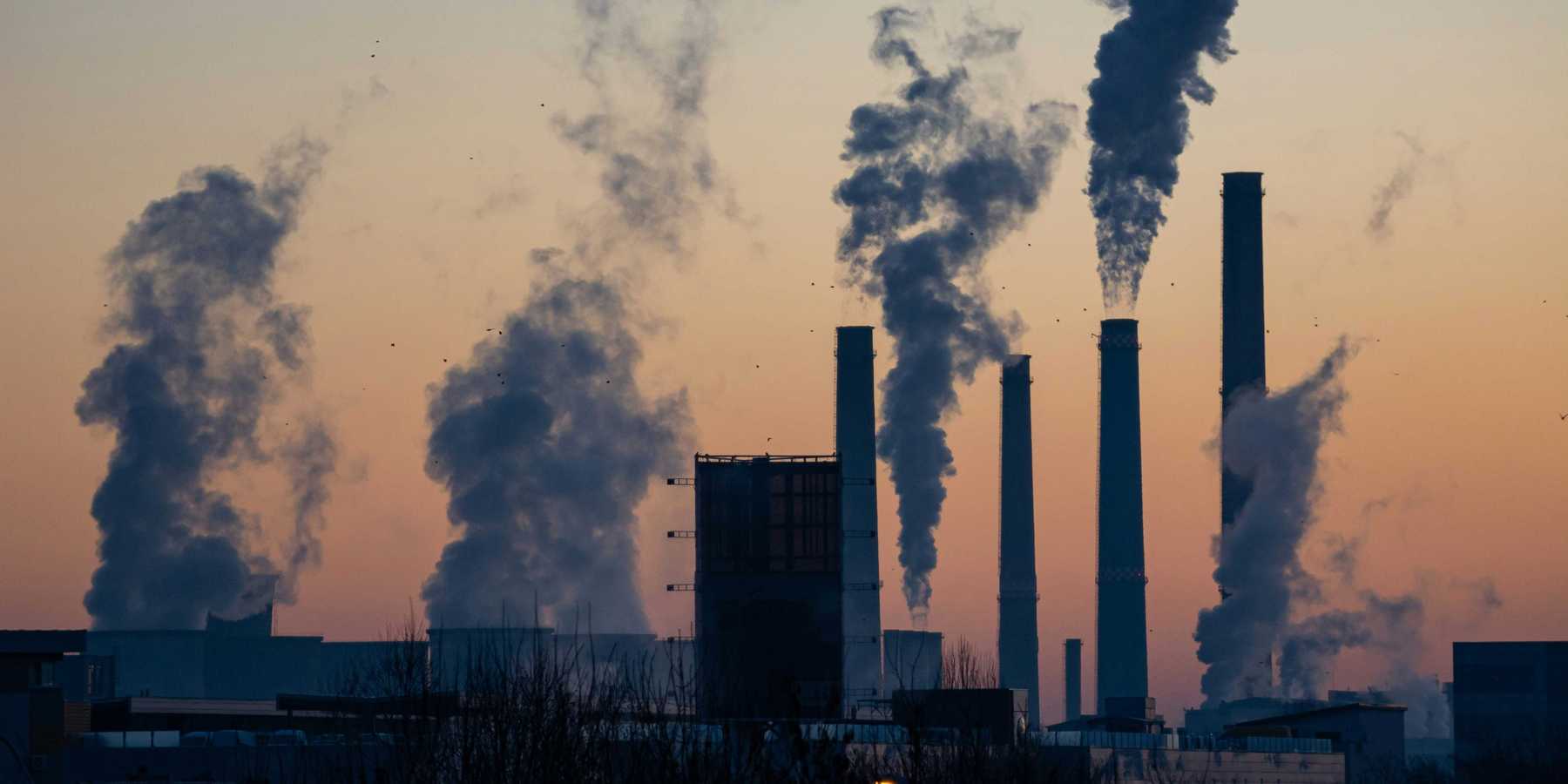
Photo by Ella Ivanescu on Unsplash

Leading cardiology societies call for stronger protections against environmental hazards

Four international cardiology societies — the American Heart Association, the American College of Cardiology, the European Society of Cardiology, and the World Heart Federation — issued a joint statement urging for regulatory action to address the role of toxic environmental exposures in cardiovascular disease.


In short:

  • Growing evidence shows environmental exposures — including air pollution, chemical pollution, plastics, climate change, and artificial noise and light — may be contributing significantly to the rise in cardiovascular disease.
  • Of these hazards, air pollution poses the greatest risk, likely by causing inflammation in the lungs and throughout the circulatory system.
  • The multiple hazards associated with climate change like extreme heat and wildfires may also threaten cardiovascular health via dehydration, arrhythmia, and severe coronary events (such as heart attacks).


Key quote:

"A unified voice was needed to state clearly that the science is settled—and that continued inaction reflects political and structural inertia rather than scientific uncertainty.”

- Lead study author Dr. Thomas Münzel, via JAMA Medical News


Why this matters:

Cardiovascular disease is the leading cause of death worldwide, contributing to roughly 44% of deaths from noncommunicable diseases. When speaking with JAMA Medical News, lead author Dr. Münzel contributed at least 1 in 5 of the 20 million annual global cardiovascular disease deaths to environmental hazards. The authors of this statement call on both policymakers and clinicians to address environmental exposures “with the same seriousness as traditional cardiovascular risks,” fully integrating them into regulations and patient care.


Related EHN coverage:


More resources:


Münzel, T. et al. (2026). Environmental Stressors and Cardiovascular Health: Acting Locally for Global Impact in a Changing World: A Statement of the European Society of Cardiology, the American College of Cardiology, the American Heart Association, and the World Heart Federation. Circulation

Anderer, S. (2026). Cardiology Societies Urge Action on Environmental Risk Factors. JAMA Medical News
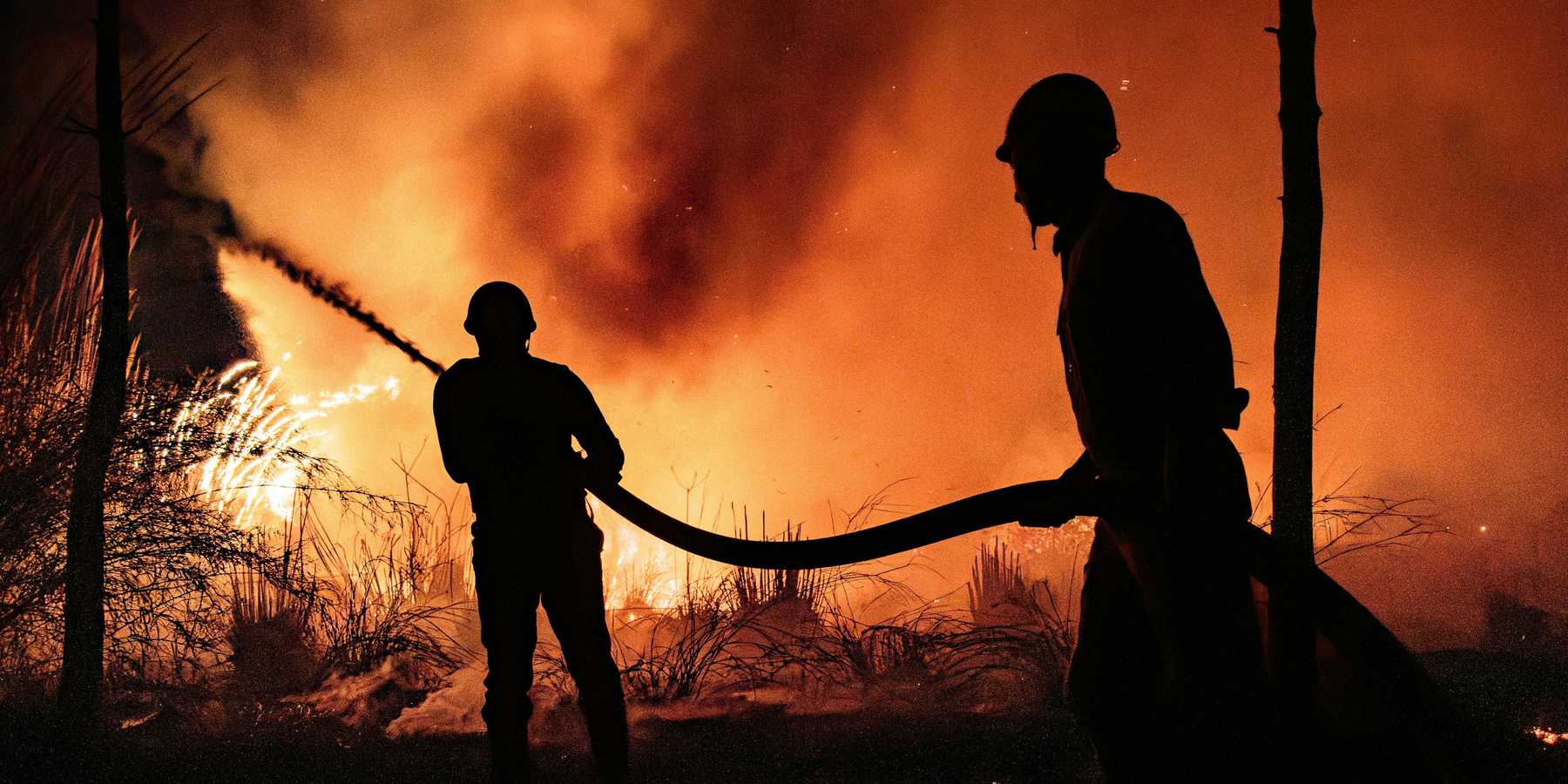
Firefighters fight a blaze
Impacts

Increased autism risk linked to exposure to wildfire smoke during pregnancy

In a first-of-its-kind study published in Environmental Science and Technology, researchers found that mothers who were exposed to wildlife smoke during the third trimester of pregnancy were more likely to have children diagnosed with autism by age 5.


In short:

  • More frequent exposure to wildlife smoke during pregnancy was associated with a higher risk of autism in children.
  • The study analyzed more than 200,000 mother-child pairs in Southern California between 2006 to 2014; nearly 60% of them were exposed to wildfire smoke for more than 5 days during pregnancy.
  • The authors also found that prenatal exposure to particulate matter air pollution from a variety of sources — not just wildfires — is associated with an increased risk of autism in children.


Key quote:

“As climate change increases the frequency and intensity of wildfires in many parts of the world, understanding their relationship with autism is important to being able to develop preventive policy and interventions that will protect pregnant women and their children.”

- Study co-author Mostafijur Rahman, via Tulane University’s accompanying press release


Why this matters:

As climate change continues to impact global weather patterns, wildfires have become increasingly intense and frequent. Their impact on air pollution is significant - in California, wildfires account for over 70% of the fine particulate matter exposure on days with poor air quality. Environmental hazards that affect the health of pregnant people and their children can have long-term and severe outcomes. The authors of this study underscore the need for policies that protect vulnerable populations from air pollution and reduce the inequality in its health impacts.


Related EHN coverage:


More resources:

Luglio, David et al. for Environmental Science & Technology. Jan. 20, 2026
From our Newsroom
Multiple Houston-area oil and gas facilities that have violated pollution laws are seeking permit renewals

Multiple Houston-area oil and gas facilities that have violated pollution laws are seeking permit renewals

One facility has emitted cancer-causing chemicals into waterways at levels up to 520% higher than legal limits.

Regulators are underestimating health impacts from air pollution: Study

Regulators are underestimating health impacts from air pollution: Study

"The reality is, we are not exposed to one chemical at a time.”

Pennsylvania governor Josh Shapiro speaks with the state flag and American flag behind him.

Two years into his term, has Gov. Shapiro kept his promises to regulate Pennsylvania’s fracking industry?

A new report assesses the administration’s progress and makes new recommendations

silhouette of people holding hands by a lake at sunset

An open letter from EPA staff to the American public

“We cannot stand by and allow this to happen. We need to hold this administration accountable.”

wildfire retardants being sprayed by plane

New evidence links heavy metal pollution with wildfire retardants

“The chemical black box” that blankets wildfire-impacted areas is increasingly under scrutiny.

The Daily Climate

News for a changing planet
Free to your inbox