In a small French town where Houston-based LyondellBasell is a fixture, residents complain of unending pollution

Residents on the east side of Harris County, Texas, share a troubling connection with Berre-l’Étang in southern France: exposure to toxic chemicals from LyondellBasell, a major petrochemical company. Nazmul Ahasan reports for Grist.


In a nutshell:

Activists in both countries complain that regulators prioritize the economic well-being of polluting industries over the environment and public health. In Berre-l’Étang, flares from LyondellBasell's industrial complex caused thick clouds of toxic smoke, affecting nearby Marseille. Meanwhile, in Harris County, Texas, chemical releases led to injuries and prompted concerns among residents. Despite activism and lawsuits, the company's impact on these communities remains a pressing issue, revealing a troubling intersection of industrial interests and public health.

Key quote:

“Basically, the judge blamed residents for pollution by saying, ‘You had it coming,’” said Algrain, a climate activist who grew up in Berre-l’Étang. “Others are saying if you’re not happy with the way you’re living or the living conditions, you can just leave.”

The big picture:

Living near a petrochemical plant can expose residents to a range of potential health hazards. These include an increased risk of respiratory issues due to the release of pollutants like sulfur dioxide and hydrogen sulfide, which can irritate the airways and lead to breathing difficulties. Prolonged exposure to toxic chemicals such as benzene and 1,3-butadiene, common emissions from petrochemical facilities, may elevate the risk of cancer. Carbon monoxide releases can cause symptoms like headaches and nausea, and long-term exposure may lead to chronic health problems. Residing in close proximity to such plants raises concerns about public health and underscores the need for stringent environmental regulations and safety measures.

Read the article at Grist.

Meet Cami Ferrell, EHN's new reporter focusing on petrochemical pollution in Texas.

A fracking rig above a group of trees.

Twenty years into fracking, Pennsylvania has yet to reckon with its radioactive waste

Former government officials say the state isn’t doing enough to regulate fracking waste, even as new research shows it’s far more radioactive than previously known.
Construction equipment digs a trench along an oil pipeline in a field.

Trump keeps Dakota Access pipeline running

The U.S. Army Corps of Engineers issued a final environmental impact report Friday recommending that oil keep flowing through the controversial pipeline.

man sitting in wheelchair during daytime.

What a crumbling power grid means for disabled Americans

Angela Frederick's new book calls to put disability at the center of disaster planning.
A group of climate protesters holding a sign that says our house is on fire.

One word sums up climate politics in 2025: Greenlash

In a year shaped by Trump's return to the White House, the new administration touted "energy dominance" and protesters threw eggs at "swasticars."

a row of solar panels sitting on top of desert land with mountains and sunset in background.

The US has a power crunch. Congress is still far from solving it

A House-passed bill aimed at speeding approvals of energy projects includes language that wind and solar supporters call unacceptable. Now it goes to the Senate.
a crowded beach with lots of people on it and buildings in background.

Marine heat waves and raw sewage combine to put human health at risk

When intensifying marine heatwaves are coupled with pollution — especially sewage, nitrogen fertilizer agricultural runoff, wildfire soot and possibly plastics — waterborne bacterial pathogens can multiply, raising human health concerns.

Exterior of NCAR, National Center For Atmospheric Research
Photo credit: jenlo8/ BigStock Photo ID: 333253774

NCAR, major climate research center, targeted for closure in Trump dispute with Colorado

The president’s political feud and his budget chief’s drive to end climate research have put the National Center for Atmospheric Research at risk.
From our Newsroom
Multiple Houston-area oil and gas facilities that have violated pollution laws are seeking permit renewals

Multiple Houston-area oil and gas facilities that have violated pollution laws are seeking permit renewals

One facility has emitted cancer-causing chemicals into waterways at levels up to 520% higher than legal limits.

Regulators are underestimating health impacts from air pollution: Study

Regulators are underestimating health impacts from air pollution: Study

"The reality is, we are not exposed to one chemical at a time.”

Pennsylvania governor Josh Shapiro speaks with the state flag and American flag behind him.

Two years into his term, has Gov. Shapiro kept his promises to regulate Pennsylvania’s fracking industry?

A new report assesses the administration’s progress and makes new recommendations

silhouette of people holding hands by a lake at sunset

An open letter from EPA staff to the American public

“We cannot stand by and allow this to happen. We need to hold this administration accountable.”

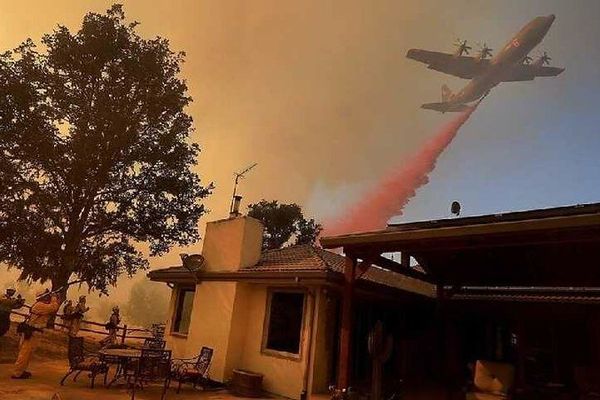
wildfire retardants being sprayed by plane

New evidence links heavy metal pollution with wildfire retardants

“The chemical black box” that blankets wildfire-impacted areas is increasingly under scrutiny.

Stay informed: sign up for The Daily Climate newsletter
Top news on climate impacts, solutions, politics, drivers. Delivered to your inbox week days.