Indigenous leaders call for a halt to carbon markets at a UN forum

Indigenous activists at the UN Permanent Forum urge a stop to carbon markets, citing detrimental effects on native communities.

Maria Parazo Rose reports for Grist.


In short:

  • The Indigenous Environmental Network advocate for ending carbon markets, describing them as harmful and ineffective tools to stop climate change.
  • The group presented their stance at the UN Permanent Forum on Indigenous Issues, aiming to influence broader UN climate policies.
  • Advocates are asking to modify article 6 of the Paris Agreement, which regulates carbon markets. They ask for embedding Indigenous rights and consent in carbon market frameworks.

Key quote:

"Article 6 is all about carbon markets, which is a smokescreen, which is a loophole [that keeps] fossil fuel polluters from agreeing to phase out carbon."

— Tom Goldtooth, executive director of the Indigenous Environmental Network.

Why this matters:

While carbon market projects are intended to be beneficial to the environment and communities, they've frecuently have lead to negative impacts, disrupting indigenous communities and violating their right to self-determination.

Op-ed: Those holding up carbon capture and hydrogen as new climate solutions are leading us down the wrong path.

A white car parked on a bridge with rising flood waters beneath it

Flood deaths in West African cities raise fraught issue of slum evictions

Deadly floods expose poor urban planning, over-population, and spread of informal settlements on disaster-prone land — a problem authorities are struggling to manage.

A long table with microphones at each seat

In search of funding to fight the climate crisis, local leaders turn to diplomacy

International climate investors have largely ignored local governments in an economic system geared toward nations. Some leaders want to change that.
A blue electric vehicle with a charging cable attached to it

America built the EV dream. Now China is driving it

As the world races toward electric vehicles, the United States risks becoming the Cuba of gas cars — left behind with outdated guzzlers.

A view of a European city with a river next to it

Danube water levels reach lowest in 30 years, hampering farming and shipping

Water levels of the Danube river in Romania fell to their lowest since 1996 ​over the weekend, prompting irrigation restrictions for ‌farmers and partially disrupting shipping and tourism along its banks.
A woman lying on a couch under a wall mounted air conditioning unit

Why did energy-saving tips disappear from the Energy Department website?

As the United States sizzled through heat waves, the government removed some of its most actionable advice about how to conserve energy.

A person holding a sign that says Planet Over Profit

Big Tech joins Big Oil in ruining summer

The energy industry has abandoned its climate pledges in favor of fossil fuel-powered AI data centers.

From our Newsroom
Multiple Houston-area oil and gas facilities that have violated pollution laws are seeking permit renewals

Multiple Houston-area oil and gas facilities that have violated pollution laws are seeking permit renewals

One facility has emitted cancer-causing chemicals into waterways at levels up to 520% higher than legal limits.

Regulators are underestimating health impacts from air pollution: Study

Regulators are underestimating health impacts from air pollution: Study

"The reality is, we are not exposed to one chemical at a time.”

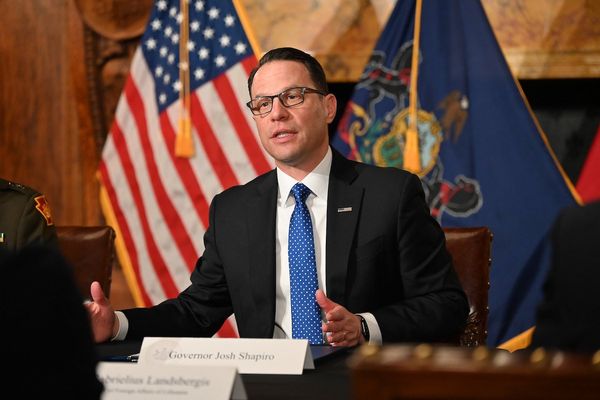
Pennsylvania governor Josh Shapiro speaks with the state flag and American flag behind him.

Two years into his term, has Gov. Shapiro kept his promises to regulate Pennsylvania’s fracking industry?

A new report assesses the administration’s progress and makes new recommendations

silhouette of people holding hands by a lake at sunset

An open letter from EPA staff to the American public

“We cannot stand by and allow this to happen. We need to hold this administration accountable.”

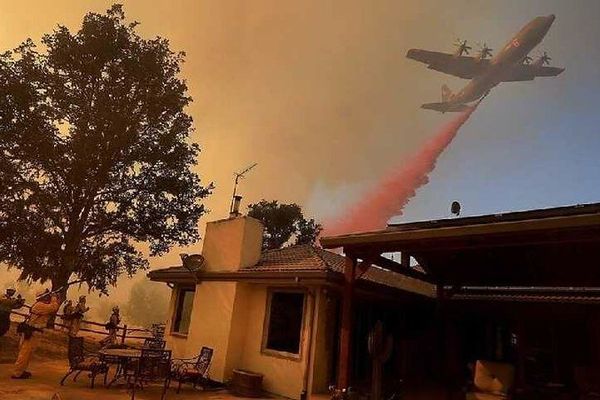
wildfire retardants being sprayed by plane

New evidence links heavy metal pollution with wildfire retardants

“The chemical black box” that blankets wildfire-impacted areas is increasingly under scrutiny.

Stay informed: sign up for The Daily Climate newsletter
Top news on climate impacts, solutions, politics, drivers. Delivered to your inbox week days.