Melting Arctic ice is rewriting the planet’s future

The Arctic’s rapid warming and melting sea ice mirror past climate crises but at an unprecedented pace, reshaping ecosystems, threatening coastal cities, and disrupting global climate systems.

Molly Taft reports for Atmos.


In short:

  • The Arctic is warming four times faster than the rest of the planet, with summer sea ice projected to disappear by the 2030s without major emissions cuts.
  • Past Arctic conditions reveal that higher global temperatures led to lush forests, mass extinctions and sea levels up to 200 feet higher than today, threatening modern cities like Miami and New Orleans.
  • Melting permafrost and ice are releasing greenhouse gases, triggering wildfires and exposing dormant threats like ancient viruses, compounding the environmental crisis.

Key quote:

“This change is so rapid that, from our geological experience, it’s faster than anything that we’ve ever experienced.”

— Julie Brigham-Grette, glacial geologist

Why this matters:

The Arctic’s rapid transformation foreshadows catastrophic impacts, from rising seas that endanger millions to destabilized weather systems and food chains. The Arctic’s past holds lessons, but its present warns of a future which we are woefully unprepared for. Read more: Scientists probe ancient history of the East Antarctic Ice Sheet and find unsettling news about sea level rise.

A person holding a small model of a house in their hand

Amid climate crisis, insurers’ increased use of AI raises concern for policyholders

States and consumers accuse insurance giants of using technology to slow payouts and drop homeowners.
A glacier looming over a body of water

The ‘doomsday glacier’ could flood the Earth. Can a 50-mile wall stop it?

Scientists have long opposed polar geoengineering. Some now believe it will be necessary.
A burning home viewed at night

More homes than ever face fire dangers. New AI tools are revealing overlooked houses that face greater risk

Wildfires are increasingly burning homes far beyond traditional high-risk zones, but federal risk models still underestimate the danger.

Clock approaching midnight superimposed over a world map
Credit: chughes/ BigStock Photo ID: 20162111

'Doomsday Clock' advances to 85 seconds till midnight

A science-oriented advocacy group moved its “Doomsday Clock” to 85 seconds to midnight, saying the Earth is closer than ever to destruction.
A bobblehead of President Donald Trump on the floor of the Arizona House of Representatives
Credit: Gage Skidmore/ https://www.flickr.com/photos/gageskidmore/5427075... https://creativecommons.org/licenses/by-sa/2.0/

US withdrawal from Paris Agreement comes into effect

Major emitter the US has officially left the Paris Agreement and global emissions keep rising a decade on from the deal. Yet renewables' growth shows climate action can work. Here's what's been done and what's missing.
Donald Trump speaking at the 2013 Conservative Political Action Conference (CPAC) in National Harbor, Maryland.
Credit: Gage Skidmore/ https://www.flickr.com/photos/gageskidmore/8566717881/ https://creativecommons.org/licenses/by-sa/2.0/

Trump’s biggest climate rollback stalls over fears it will lose in court

Trump officials have delayed finalizing the repeal of the agency’s “endangerment finding” over concerns the proposal is too weak to withstand a court challenge.
Heavy ice build up on a truck during an ice storm
Credit: Montegari Photography/BigStock Photo ID: 4268515

A winter storm fueled by global warming tests U.S. disaster response

A sprawling winter storm that left hundreds of thousands without power, grounded thousands of flights and disrupted travel across the eastern half of the U.S. could be the first real test of the second Trump administration’s Federal Emergency Management Agency.

From our Newsroom
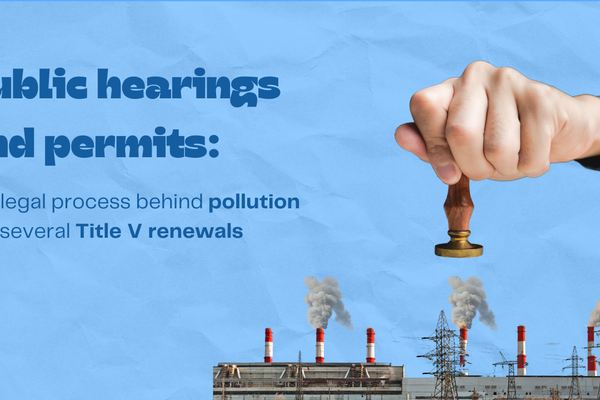
Multiple Houston-area oil and gas facilities that have violated pollution laws are seeking permit renewals

Multiple Houston-area oil and gas facilities that have violated pollution laws are seeking permit renewals

One facility has emitted cancer-causing chemicals into waterways at levels up to 520% higher than legal limits.

Regulators are underestimating health impacts from air pollution: Study

Regulators are underestimating health impacts from air pollution: Study

"The reality is, we are not exposed to one chemical at a time.”

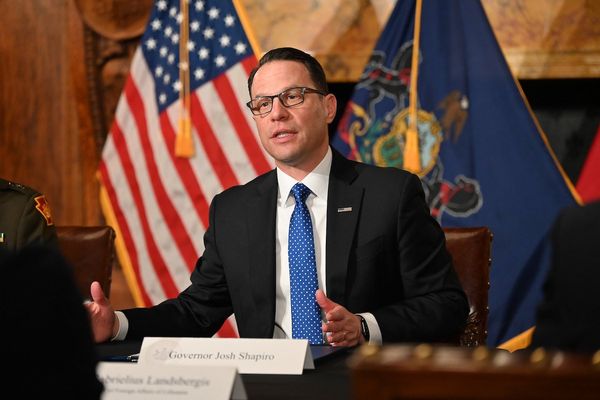
Pennsylvania governor Josh Shapiro speaks with the state flag and American flag behind him.

Two years into his term, has Gov. Shapiro kept his promises to regulate Pennsylvania’s fracking industry?

A new report assesses the administration’s progress and makes new recommendations

silhouette of people holding hands by a lake at sunset

An open letter from EPA staff to the American public

“We cannot stand by and allow this to happen. We need to hold this administration accountable.”

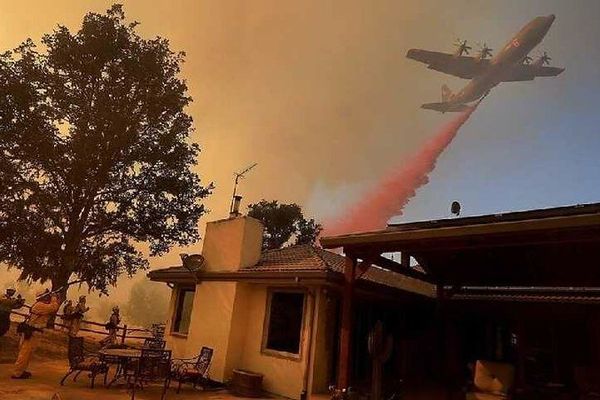
wildfire retardants being sprayed by plane

New evidence links heavy metal pollution with wildfire retardants

“The chemical black box” that blankets wildfire-impacted areas is increasingly under scrutiny.

Stay informed: sign up for The Daily Climate newsletter
Top news on climate impacts, solutions, politics, drivers. Delivered to your inbox week days.