National efforts focus on dam removal to restore habitats

Across the U.S., federal funding is driving a campaign to remove dams and restore river habitats, benefiting both aquatic species and local communities.

Michael Casey and Erik Verduzco report for The Associated Press.


In short:

  • The removal of Shulls Mill Dam in North Carolina is part of a broader effort to restore river ecosystems, helping species like the eastern hellbender salamander thrive.
  • Over $2 billion from the bipartisan infrastructure bill is allocated to federal agencies for dam removal, with the U.S. Fish and Wildlife Service receiving $200 million for projects aimed at enhancing aquatic connectivity.
  • While some oppose dam removal due to potential impacts on reservoirs and jobs, the initiative aims to improve biodiversity, water quality and flood protection.

Key quote:

“This is really is changing the scope and scale, even the way we can think about aquatic connectivity. People came in with bigger, more complicated projects and asked us to help shoulder a bigger slice of that pie.”

— Amy Horstman, National Fish Passage Program coordinator, U.S. Fish and Wildlife Service

Why this matters:

Removing outdated dams is crucial for restoring natural river habitats, which boosts biodiversity and strengthens ecosystems. The initiative, supported by significant federal funding, seeks to address the ecological and safety issues posed by aging dam infrastructure.

Related EHN coverage:

A view of a sign with the Shell Oil logo on it in red and yellow in the shape of a shell

Shell’s hidden climate knowledge under scrutiny as court battle looms

“What seems to be important,” wrote the British scientist, James Lovelock, in June 1966, is “the almost certain fact that the climate is worsening and the probability that the combustion of fuel is responsible.”

Cincinnati, Ohio, daytime cityscape

A city with a plan

Cincinnati wants to take in people fleeing climate disasters.

An antelope with large horns peeking above grasslands

‘Wastelands’ no more: India charts a future for its grasslands

India is beginning to reverse decades of treating native grasslands as 'wastelands,' embracing a new conservation strategy that recognizes their importance for carbon storage, climate resilience, and wildlife.

Solar panels arrayed in a newly cleared field

The influencer teaching millions to fear solar

Alexandra Fasulo says she’s protecting farms and wildlife. How much of her rhetoric is actually true?
Solar panels arrayed in a remote setting

How African off-grid solar companies are using financing deals to land mainstream investors

Landmark fundraising deals by two of Africa’s largest off-grid solar companies are raising hopes that private capital markets could become a major source of funding to help bring electricity to millions of homes lacking access to reliable power.
Two workers walk towards an industrial site under construction

Georgia’s first ‘pop-up’ power plant for data centers faces scrutiny

The project is under investigation for allegedly beginning construction before obtaining required air permits as regulators consider whether privately operated power plants can legally serve data centers.
Refinery and petrochemical industrial plant
Credit: Tee Theerapol/BigStock Photo ID: 60783539

The Trump administration wants more gasoline made in idled refineries from California to St. Croix

The White House is hoping to attract private investors for defunct fuel factories across the country and beyond.

From our Newsroom
Multiple Houston-area oil and gas facilities that have violated pollution laws are seeking permit renewals

Multiple Houston-area oil and gas facilities that have violated pollution laws are seeking permit renewals

One facility has emitted cancer-causing chemicals into waterways at levels up to 520% higher than legal limits.

Regulators are underestimating health impacts from air pollution: Study

Regulators are underestimating health impacts from air pollution: Study

"The reality is, we are not exposed to one chemical at a time.”

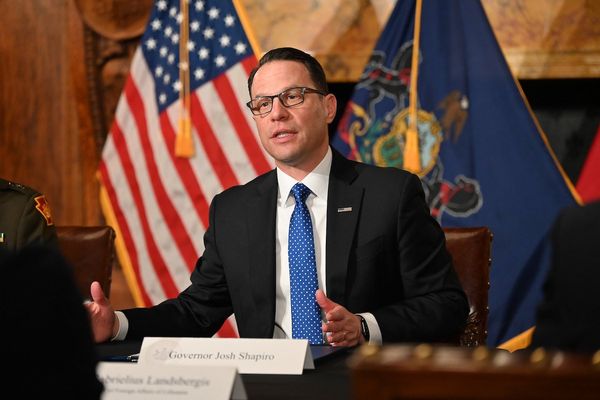
Pennsylvania governor Josh Shapiro speaks with the state flag and American flag behind him.

Two years into his term, has Gov. Shapiro kept his promises to regulate Pennsylvania’s fracking industry?

A new report assesses the administration’s progress and makes new recommendations

silhouette of people holding hands by a lake at sunset

An open letter from EPA staff to the American public

“We cannot stand by and allow this to happen. We need to hold this administration accountable.”

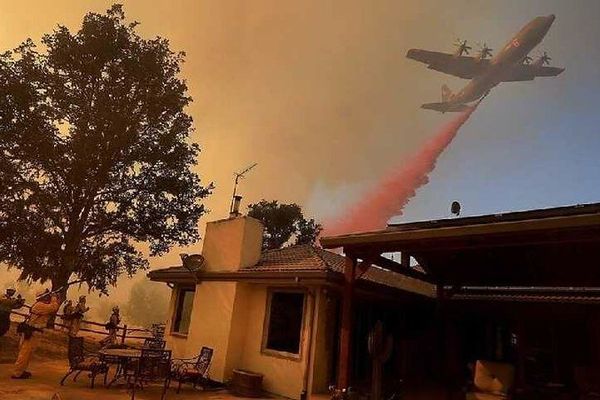
wildfire retardants being sprayed by plane

New evidence links heavy metal pollution with wildfire retardants

“The chemical black box” that blankets wildfire-impacted areas is increasingly under scrutiny.

Stay informed: sign up for The Daily Climate newsletter
Top news on climate impacts, solutions, politics, drivers. Delivered to your inbox week days.