07 July 2020
Sister Norma Pimentel: COVID-19 has come to our migrant camp. It makes ending the MPP policy even more urgent
A makeshift ‘tent city’ in Mexico filled with about 1,500 asylum seekers records its first coronavirus case.
In a recent review published in NPJ Emerging Contaminants, researchers examine how toxic chemicals can reduce fertility in both humans and wildlife, and how these effects are worsened by climate change.
In short:
Key quote:
“To build a sustainable future, we must recognize that chemicals, once released, don’t simply disappear. Instead, they contribute to the larger issue of driving humanity towards the exceedance of planetary boundaries when considered in combination with climate change and other planetary-level impacts.”
Why this matters:
While climate change and toxic endocrine disrupting chemicals (EDCs) are both individually well-established as health threats, few studies have examined the implications of the widespread simultaneous exposure experienced by humans and wildlife. Many EDCs can also impact health across multiple generations, meaning their harm continues long after the original exposure. To better tackle the issue of EDCs, the authors of this study emphasize the need for strong regulations that address chemicals by class, rather than individually.
Related EHN coverage:
More resources:
At world-first Santa Marta climate meeting, delegates say it was ‘euphoric’ to finally be focusing on concrete solutions.
After SEC limited EDGAR access, activists launched Proxy Open Exchange to share corporate accountability concerns, including climate issues.
A 234-mile stretch of pipeline that could carry natural gas or natural gas-hydrogen blends across the Navajo Nation is a step closer to reality.
Republican lawmakers have introduced a bill that would block current and future lawsuits seeking to hold fossil fuel companies accountable for climate damages.
One facility has emitted cancer-causing chemicals into waterways at levels up to 520% higher than legal limits.
“They're terrorizing these scientists because they want to keep them silent.”
"The reality is, we are not exposed to one chemical at a time.”
A new report assesses the administration’s progress and makes new recommendations
“We cannot stand by and allow this to happen. We need to hold this administration accountable.”
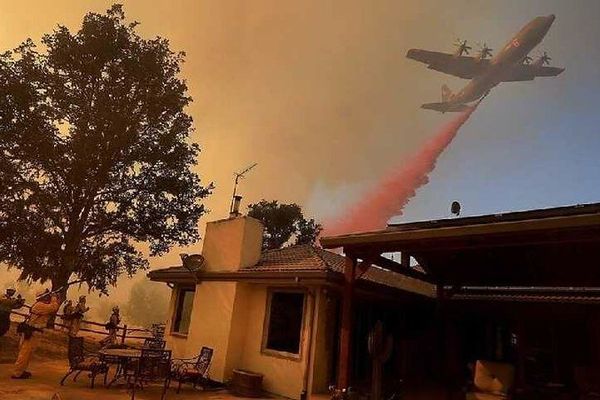
“The chemical black box” that blankets wildfire-impacted areas is increasingly under scrutiny.