Plastic waste crisis is transforming Earth’s systems, warn scientists

Plastic pollution isn’t just an eyesore or a waste issue — it's a crisis reshaping our entire planetary system, from our oceans to human health, as scientists urge global treaty action to rein in production.

Sandra Laville reports for The Guardian.


In short:

  • A new analysis finds that plastic pollution impacts climate, biodiversity, freshwater and more, altering key planetary processes.
  • As nations prepare for UN treaty talks, debates continue on whether production cuts should target the $712 billion plastic industry.
  • Only 9% of plastic is recycled, with most ending up as waste that persists across ecosystems and inside the human body.

Key quote:

"Plastics are made out of the combination of thousands of chemicals. Many of them, such as endocrine disruptors and forever chemicals, pose toxicity and harm to ecosystems and human health."

— Patricia Villarrubia-Gómez, Stockholm Resilience Centre

Why this matters:

Is it time to curb plastic production? That’s the billion-dollar question and for the plastic industry, the stakes couldn’t be higher. But while industry argues for innovation over production cuts, the science is clear. Plastic pollution is a direct threat to our planet’s health, and by extension, to ours. Read more: A plastic recipe for societal suicide.

Two people running in the rain wearing ponchos outside of a drink stand

Oregon’s extreme climate hazard days have quadrupled over 2 decades, study says

Climate hazards like extreme heat and wildfire smoke are becoming more frequent across the state compared to 20 years ago.
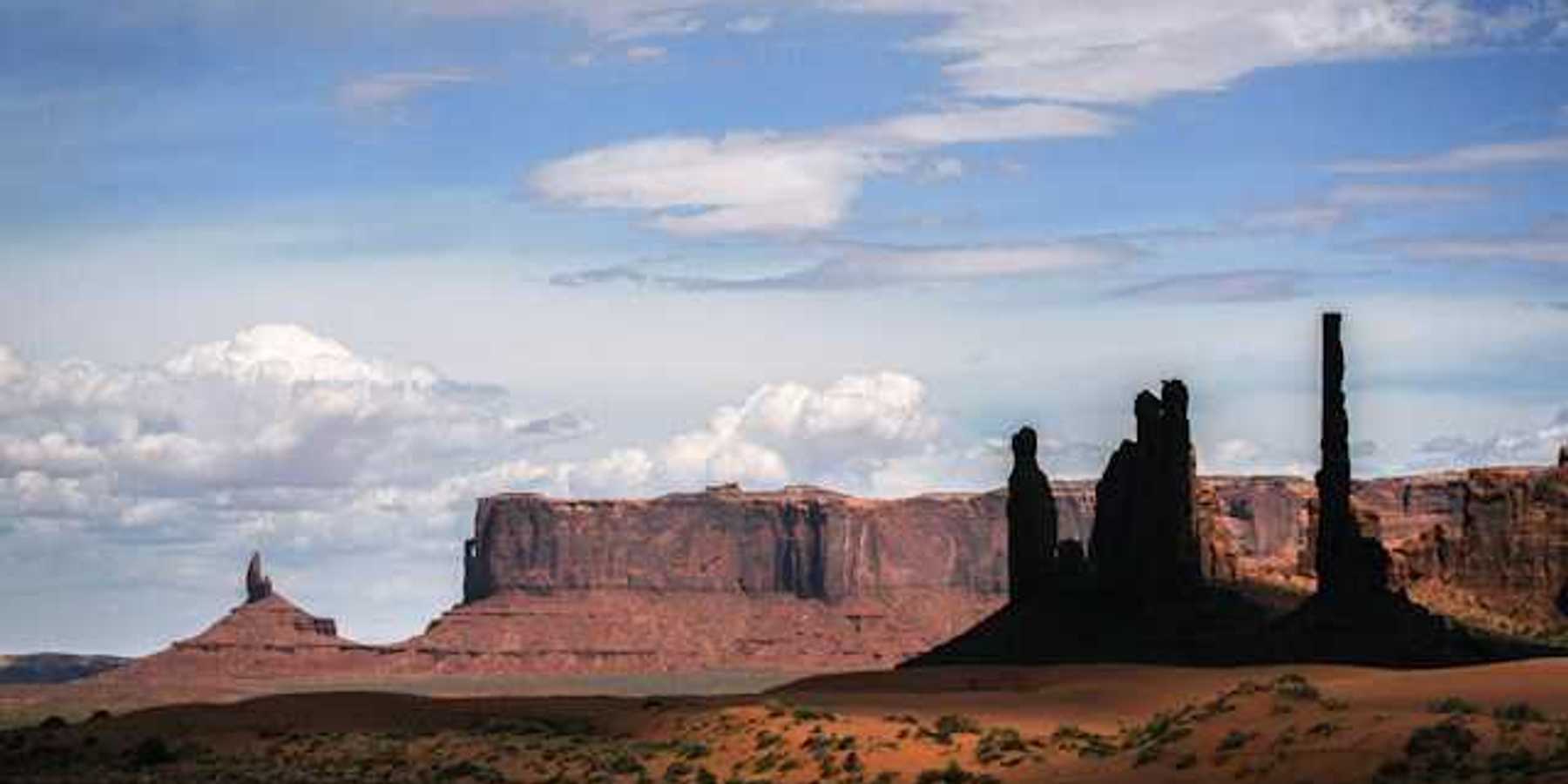
Monument Valley desert landscape with rock formations

Arizona data centers drive up water demand, but not the way you might think

AI data centers in the Phoenix area use relatively little water on site, but they use lots of electricity, which takes a lot of water to generate.
Sea turtle cruising over an underwater seagrass meadow

Seagrass restoration: Can damaged meadows be restored?

Seagrass protects coasts, shelters thousands of species and stores CO2. But some 30% of this valuable ecosystem has disappeared since the late 19th century.

Chinese-manufactured BYD EVs on display at new dealership in San Miguel de Allende, Mexico
Credit: Jim Germond/Environmental Health Sciences

I went to Mexico to test-drive the cars Americans can’t buy

Mexico is a showroom for electric cars, with a growing fleet of sleek new vehicles from Chinese brands unknown to Americans.
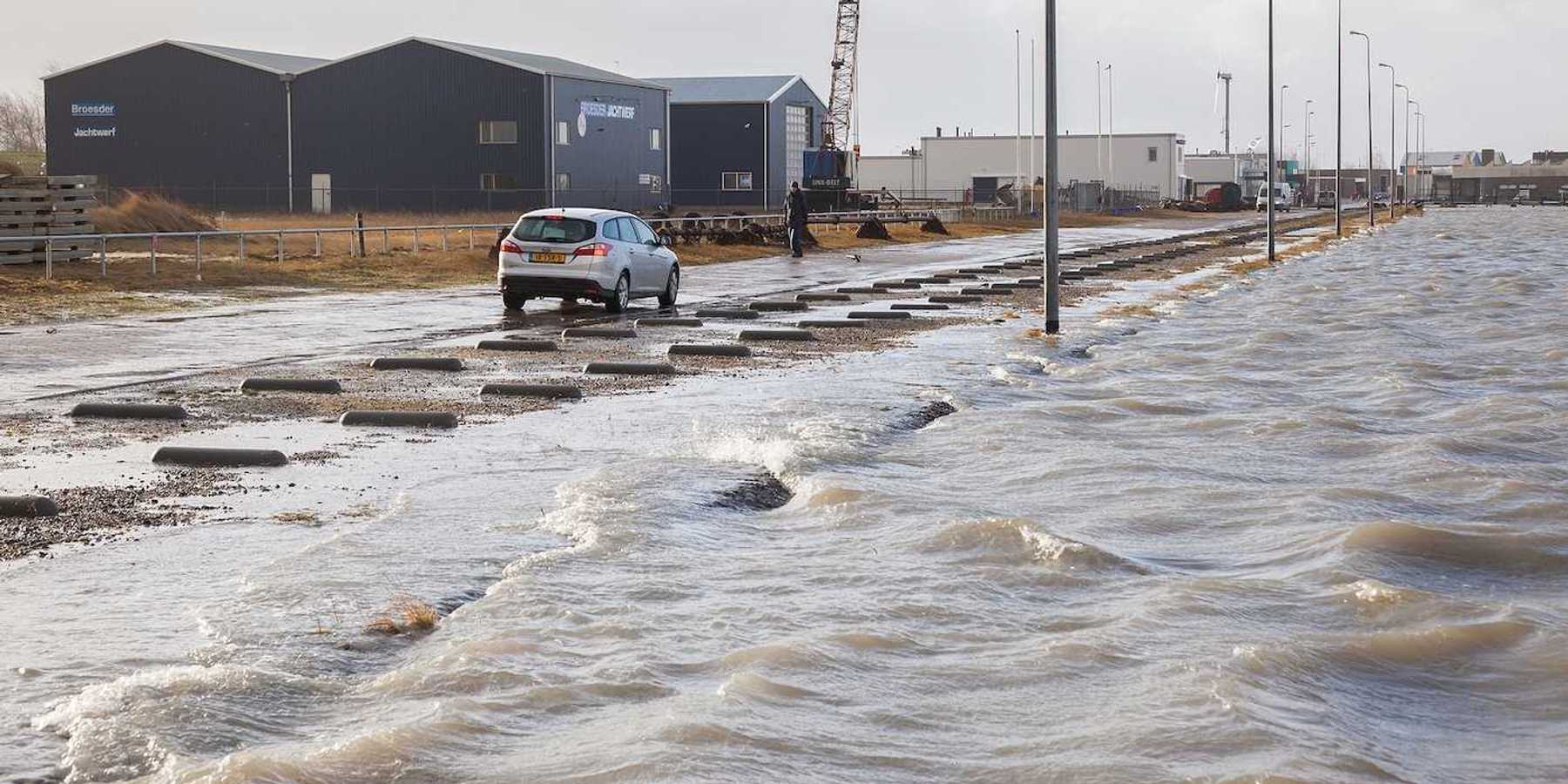
Extreme high tide and flooded roadway at the dikes of the Dutch coastal works
Credit: Micha Klootwijk/BigStock Photo ID: 55233293

Record-breaking high tides spark chaos – and kayak commutes – across California

Seawater surges into low-lying communities from San Diego to San Francisco Bay Area, submerging streets, homes and businesses.

Photo of hands being warmed on an old-fashioned style radiator.
Credit: DimaBerlin/BigStock Photo ID: 446117279

New batteries that store blistering heat are taking off

Large batteries that store electricity have revolutionized power grids and car markets. Now some start-ups are betting that “heat batteries” could be just as transformative.
From our Newsroom
Multiple Houston-area oil and gas facilities that have violated pollution laws are seeking permit renewals

Multiple Houston-area oil and gas facilities that have violated pollution laws are seeking permit renewals

One facility has emitted cancer-causing chemicals into waterways at levels up to 520% higher than legal limits.

Regulators are underestimating health impacts from air pollution: Study

Regulators are underestimating health impacts from air pollution: Study

"The reality is, we are not exposed to one chemical at a time.”

Pennsylvania governor Josh Shapiro speaks with the state flag and American flag behind him.

Two years into his term, has Gov. Shapiro kept his promises to regulate Pennsylvania’s fracking industry?

A new report assesses the administration’s progress and makes new recommendations

silhouette of people holding hands by a lake at sunset

An open letter from EPA staff to the American public

“We cannot stand by and allow this to happen. We need to hold this administration accountable.”

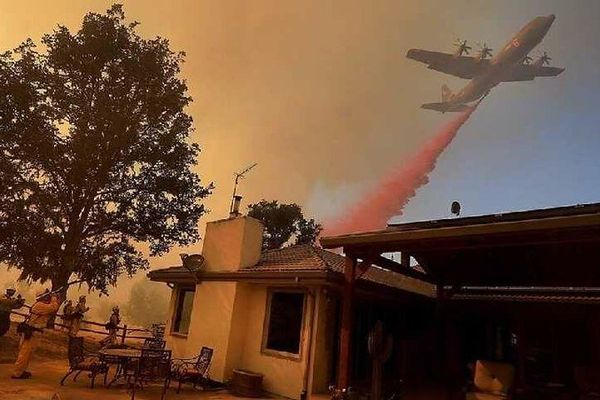
wildfire retardants being sprayed by plane

New evidence links heavy metal pollution with wildfire retardants

“The chemical black box” that blankets wildfire-impacted areas is increasingly under scrutiny.

Stay informed: sign up for The Daily Climate newsletter
Top news on climate impacts, solutions, politics, drivers. Delivered to your inbox week days.