Study reveals climate change may expand locust swarms into new areas

A recent study highlights the potential expansion of locust swarms into new regions due to global warming, posing significant threats to agriculture and food security.

Bob Berwyn reports for Inside Climate News.


In short:

  • Global warming is likely to increase locust habitats by 5%-25% by 2100, especially in west India and west central Asia.
  • Extreme weather conditions, such as droughts and heavy rains, are conducive to locust breeding and swarming.
  • The expansion of locust swarms could severely impact food security and livelihoods in vulnerable regions.

Key quote:

If the global temperature keeps rising, it "may create favorable conditions for locust development in previously low-temperature regions."

— Xiaogang He, assistant professor, National University of Singapore

Why this matters:

This research underscores an intersection of climate change and food security. As locust swarms potentially move into new areas, they threaten the livelihoods of millions, highlighting the urgency of addressing global warming and its far-reaching impacts on our ecosystem and health.

Be sure to read: It's not weather – it's climate disruption.

A view of part of the Philadelphia skyline with the city hall building up front

Self-powered PA data centers could still raise bills, pollution

Advocates said the executive action is a positive step, but are calling on the General Assembly to do more.
Bright green tea plantation hills in Kerala

India: Assam tea industry faces climate-driven labor crisis

Plantations in Assam produce more than half of India's tea. But rising heat is hurting yields, workers are increasingly leaving for more stable work, and producers are feeling the squeeze of stagnant tea prices.
A rusty barrel with burning items in it, smoke billowing from the top

Bury, don't burn: The billion-dollar wildfire-climate fix

A new study finds that burying logging debris, instead of burning it, could store far more carbon and generate billions in revenue for forest-thinning projects.
A group of cheese and grapes on a wooden board

France to ease strict rules on iconic cheeses as heat dries pastures

France is temporarily relaxing strict production rules for several iconic cheeses as drought and record heat leave pastures severely depleted.

A view of a dock with giant spools of cable and cranes

Trump administration wants electricity from ocean waves, not wind

The first large site for testing wave energy technologies in the continental U.S. is open, after securing a key green-energy approval from the Trump administration.
A view of the interior of a car with three laughing people, one of whom is looking at a map

The great American road trip is in peril

My family set out to see the beauty of America’s national parks. Along the way, we saw how wildfire, flood, heat, and drought are changing them.
A view of a pond with many leaves floating on the surface

A Florida community aimed to address a legacy of pollution. The Trump administration cancelled its funding

Trump canceled a $15M EPA grant for Tampa’s University Area, halting pollution, flood-control and community projects.

From our Newsroom
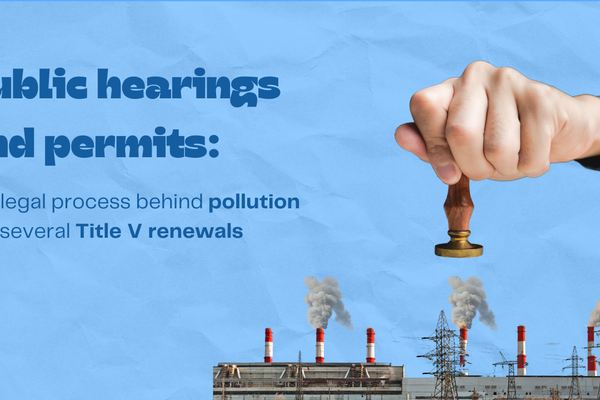
Multiple Houston-area oil and gas facilities that have violated pollution laws are seeking permit renewals

Multiple Houston-area oil and gas facilities that have violated pollution laws are seeking permit renewals

One facility has emitted cancer-causing chemicals into waterways at levels up to 520% higher than legal limits.

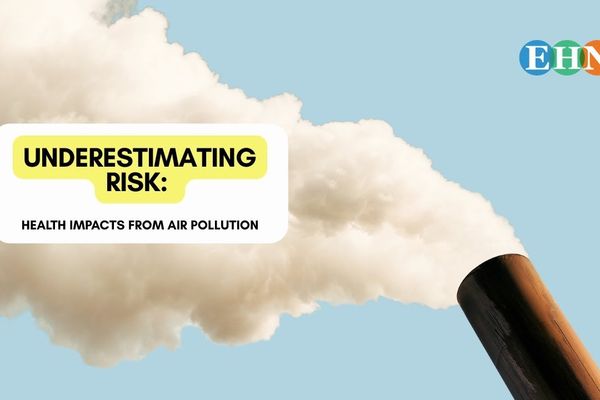
Regulators are underestimating health impacts from air pollution: Study

Regulators are underestimating health impacts from air pollution: Study

"The reality is, we are not exposed to one chemical at a time.”

Pennsylvania governor Josh Shapiro speaks with the state flag and American flag behind him.

Two years into his term, has Gov. Shapiro kept his promises to regulate Pennsylvania’s fracking industry?

A new report assesses the administration’s progress and makes new recommendations

silhouette of people holding hands by a lake at sunset

An open letter from EPA staff to the American public

“We cannot stand by and allow this to happen. We need to hold this administration accountable.”

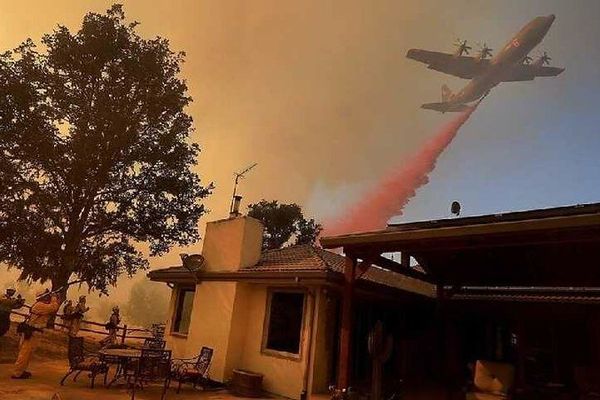
wildfire retardants being sprayed by plane

New evidence links heavy metal pollution with wildfire retardants

“The chemical black box” that blankets wildfire-impacted areas is increasingly under scrutiny.

Stay informed: sign up for The Daily Climate newsletter
Top news on climate impacts, solutions, politics, drivers. Delivered to your inbox week days.