Sweden shows how to slash emissions while boosting the economy

Sweden has managed to cut 80% of its emissions since 1990 while doubling its economy, proving that economic growth and climate protection can go hand in hand.

Anne-Sophie Brändlin reports for DW.


In short:

  • Sweden's success comes from early investments in renewable energy, utilizing its natural resources like forests and hydropower.
  • The country transitioned away from fossil fuels for heating and electricity, with biofuels now powering 97% of heating.
  • Strong government policies, including a high carbon tax, incentivized businesses and citizens to adopt greener practices.

Key quote:

"The biggest lesson is that you need close cooperation between government, private sector, and the local government as well to really develop these system solutions together and take risks, make these big long-term investments."

— Asa Persson, advisor to the Swedish government on climate policy.

Why this matters:

By investing in green tech, enforcing strict environmental regulations and pushing for a circular economy where waste becomes a resource, Sweden is showing the world that you don’t have to choose between a healthy planet and a thriving economy. Read more: Steps to re-invigorate the economy must free us from polluting fossil fuels.


A view of a field under attack with bombs exploding

From fossil fuelled tanks to wildfires: How Russia’s war on Ukraine is destroying the planet

Experts warn that climate change and Russia’s war on Ukraine have created a “vicious cycle” with devastating consequences.
Two Nepalese porters playing chess

As Nepal votes, climate change is an elephant in the room for Sherpa community

Seasonal migration and low resident voter presence in Nepal’s Sagarmatha region mean election campaigns concentrate on infrastructure rather than climate adaptation, leaving long-term environmental resilience underprioritized.

A dark storm cloud with rain in the distance

Less air pollution means more warming. Could cloud brightening help?

Computer simulations reveal that spraying sea salt aerosols may keep global temperatures near 2020 levels as air pollution falls—but may also redraw regional weather patterns.
Two Korean farmers looking at a melon in a greenhouse

South Korean farmers sue utility giant KEPCO over climate damage to crops

Five farmers in South Korea are plaintiffs in a landmark civil suit against state-owned utility KEPCO for climate-related agricultural damages.
A natural gas power plant at sunset

Data center developers asked Trump for relief from pollution rules

Though the companies weren't granted exemptions, their requests illustrate the data center industry's desperate quest for energy.

Webinar: Plastic chemicals, climate & health: impacts across the lifecycle

On Feb. 26, Dr. Leo Trasande and Rosemary Ahtuangaruak will explore the deep interconnections between plastics, health, and climate change, with a specific focus on the Arctic. Sponsored by CHE-Alaska.

Modern luxury villa with private yacht
Credit: photosvit/BigStock Photo ID: 478496353

Epstein files reveal how the ultra-wealthy peddle climate denialism

Jeffrey Epstein and his vast network of elite figures routinely traded in myths that undermine climate progress. Experts say it's not an accident.
From our Newsroom
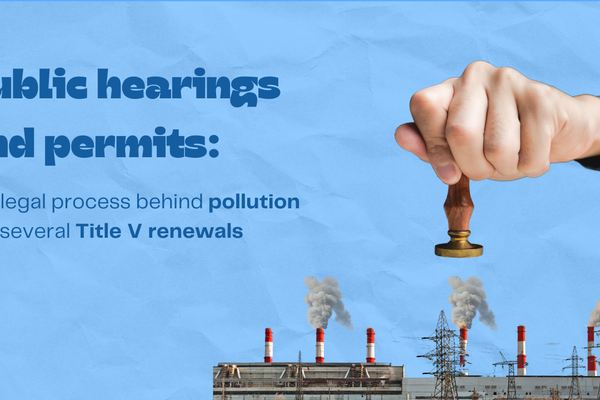
Multiple Houston-area oil and gas facilities that have violated pollution laws are seeking permit renewals

Multiple Houston-area oil and gas facilities that have violated pollution laws are seeking permit renewals

One facility has emitted cancer-causing chemicals into waterways at levels up to 520% higher than legal limits.

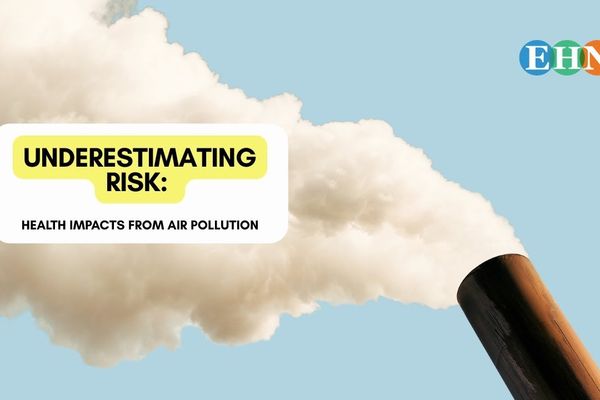
Regulators are underestimating health impacts from air pollution: Study

Regulators are underestimating health impacts from air pollution: Study

"The reality is, we are not exposed to one chemical at a time.”

Pennsylvania governor Josh Shapiro speaks with the state flag and American flag behind him.

Two years into his term, has Gov. Shapiro kept his promises to regulate Pennsylvania’s fracking industry?

A new report assesses the administration’s progress and makes new recommendations

silhouette of people holding hands by a lake at sunset

An open letter from EPA staff to the American public

“We cannot stand by and allow this to happen. We need to hold this administration accountable.”

wildfire retardants being sprayed by plane

New evidence links heavy metal pollution with wildfire retardants

“The chemical black box” that blankets wildfire-impacted areas is increasingly under scrutiny.

Stay informed: sign up for The Daily Climate newsletter
Top news on climate impacts, solutions, politics, drivers. Delivered to your inbox week days.