
air quality

Credit: Jason Hawke 🇨🇦/Unsplash+
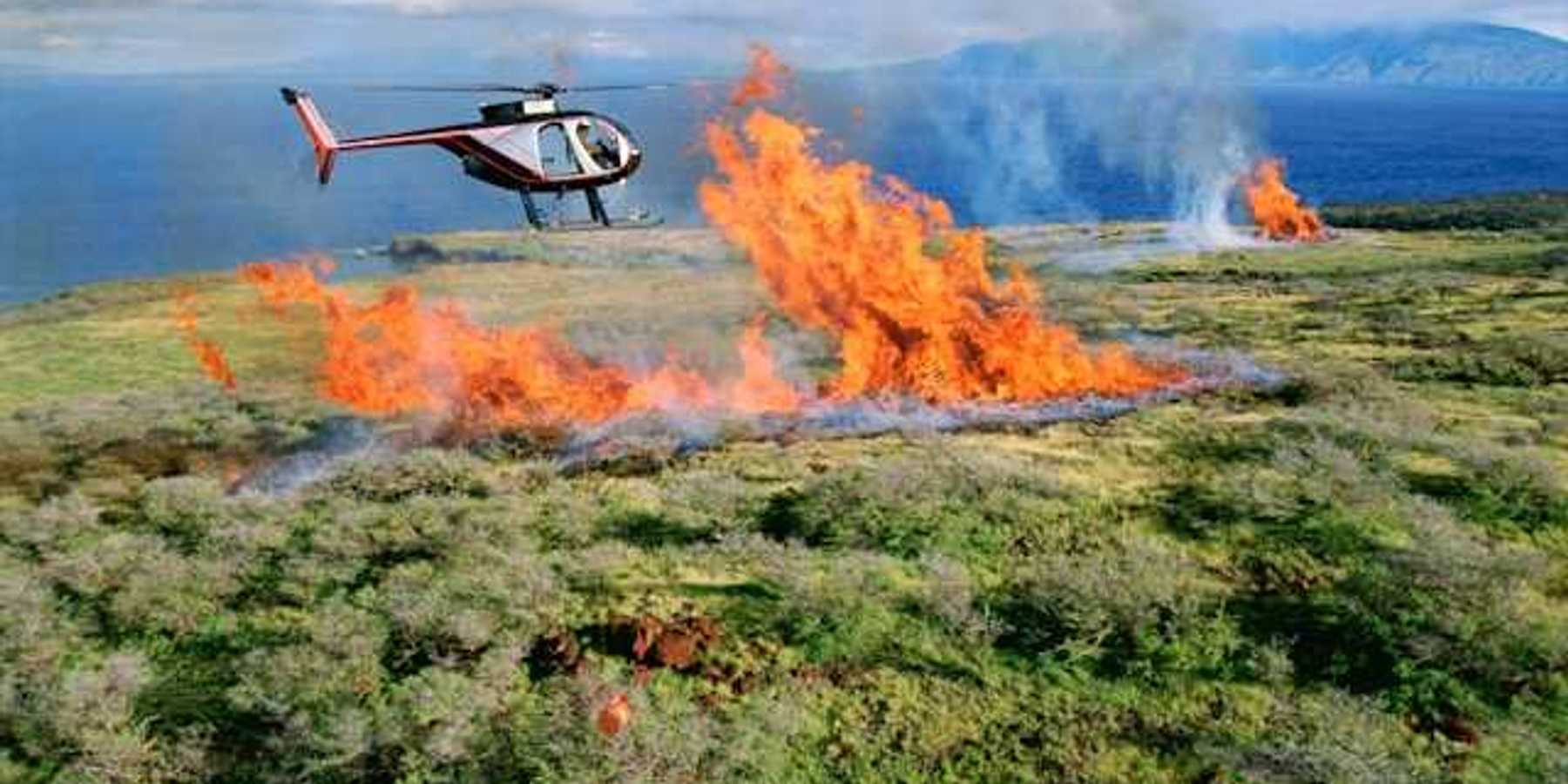
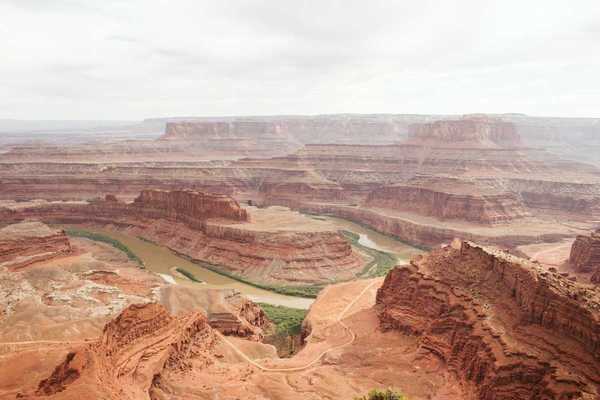
Trump's EPA is paving the way for hazier national parks, activists say
Conservationists are warning that the Trump administration is working state by state to undo decades of progress in clearing skies over the country's beloved national parks.
Newsletter
Credit: Sergey Cash/Big Stock Photo
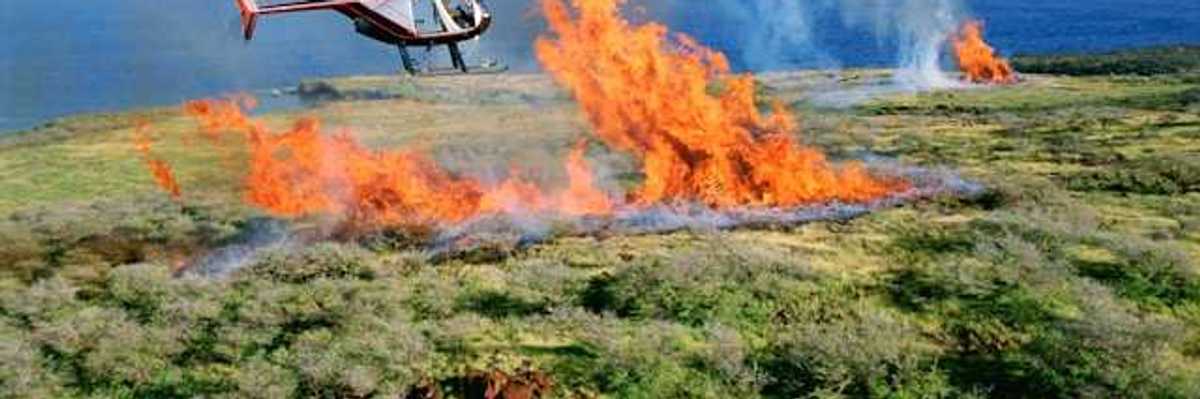
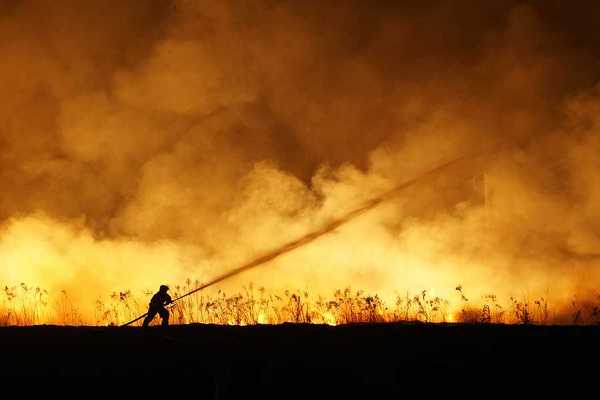
Number of days with weather just right for wildfires is soaring around the world
A new study shows hot, dry and windy weather that fuels extreme wildfires has nearly tripled worldwide in 45 years.
London's low-emission zone got kids out of cars and onto their feet
A year after London's clean air zone was enforced, 40% of children began walking or biking to school instead of being driven, according to new research.
In short:
- A study found that 40% of kids in London's ultra-low emissions zone switched from car rides to walking or biking within a year of the policy's start.
- In contrast, only 20% of children in the control group city, Luton, made the same switch, with an equal number starting to drive.
- Researchers say this shift could combat childhood obesity and improve both mental and physical health.
Key quote:
"Physical activity in general is vital for preventing obesity... and has benefits for children’s physical development and mental health.”
— Christina Xiao, epidemiologist at Cambridge University
Why this matters:
Research shows that penalizing driving—rather than just building bike lanes or walking paths—is often more effective at getting people out of their cars. And whether it's through incentives or penalties, the takeaway is clear: what’s good for the planet is often what’s best for the kids too. Read more: Another road is possible.
Keep reading...Show less
Newsletter
New climate stripes reveal pollution disparities since 1850
Scientists have developed climate stripes that visualize pollution trends since 1850, highlighting global inequalities and the potential for improvement through government action.
In short:
- Air pollution stripes show worsening pollution in many regions, though improvements are possible with focused government efforts.
- London and Beijing have seen significant air quality improvements after government interventions.
- The project uses data from climate models and satellite observations to map pollution from 1850 to today.
Key quote:
“Air pollution is often called the invisible killer but these images make the invisible visible.”
— Dr. Kirsty Pringle, University of Edinburgh
Why this matters:
The air quality stripes make pollution trends tangible, emphasizing the need for policy action to combat this global health crisis. Without intervention, poor air quality will continue to cause millions of premature deaths.
Related EHN coverage:
Keep reading...Show less
Gov. Newsom vetoes California bill to increase refinery air monitoring
California Gov. Gavin Newsom has vetoed a bill that sought to tighten air monitoring protocols around refineries, citing budget concerns.
In short:
- SB 674 aimed to expand air quality monitoring beyond oil refineries to other facilities, requiring data retention and third-party audits.
- Newsom argued that existing local air quality management programs already address these concerns, and the bill would impose costly state obligations amid a budget shortfall.
- Environmental advocates criticized the veto, calling it a missed opportunity to protect communities from toxic emissions.
Key quote:
“Fenceline communities urgently need improved air monitoring.”
— Lena Gonzalez, California State Senator
Why this matters:
Enhanced air monitoring is vital for communities near refineries to ensure they are not exposed to harmful pollutants. The veto raises concerns about the state’s ability to balance public health and budget constraints.
Related EHN coverage:
Keep reading...Show less
Birds fall silent as wildfire smoke clouds their world
Wildfire smoke not only endangers human health but also disrupts bird activity, according to a new study showing a significant decrease in bird sounds during smoky conditions.
In short:
- Wildfire smoke, beyond its impact on human lungs, affects birds, leading to reduced activity during smoky days.
- A study using acoustic sensors in Washington state found a 15% drop in bird sound activity during the 2020 wildfire season.
- The research highlights the broader ecological impacts of wildfires, which are expected to worsen with climate change.
Key quote:
“During the window in which our sites were impacted by smoke, we did see the biodiversity index and the acoustic complexity index decline, and it stayed reduced after the event.”
— Olivia Sanderfoot, a lead author of the study and postdoctoral fellow at UCLA
Why this matters:
Understanding the impact of wildfire smoke on birds is crucial for biodiversity conservation, as worsening wildfires pose an increasing threat to both human and ecological health.
Read more on birds as harbingers of environmental harm: Winged Warnings: Built for survival, birds in trouble from pole to pole.
Keep reading...Show less
Newsletter
Wildfire smoke can disrupt anesthesia and surgery outcomes
Researchers warn that wildfire smoke, filled with harmful pollutants, may interfere with anesthesia and worsen surgical outcomes, especially for children and sensitive groups.
In short:
- Wildfire smoke contains fine particles and chemicals that cause inflammation and reduce antioxidant levels, impacting health.
- Exposure can exacerbate cardiovascular issues and damage organs, complicating perioperative outcomes for patients.
- Children with prior respiratory issues are significantly more affected by poor air quality during surgeries.
Key quote:
“Wildfire smoke poses significant health risks, particularly in people with pre-existing heart and lung disease, obese patients, infants and young children and other vulnerable groups.”
— Vijay Krishnamoorthy, chief of Duke University School of Medicine’s Critical Care Medicine Division.
Why this matters:
This study adds another layer of worry as wildfire seasons grow longer and more intense, raising health risks far beyond the obvious respiratory issues. Read more: Carlos Gould on wildfire smoke and our health.
Keep reading...Show less
ORIGINAL REPORTING


MOST POPULAR

CLIMATE