
technology




Credit: Joshua J. Cotten/Unsplash
NAACP lawsuit accuses Elon Musk’s xAI of polluting Black neighborhoods near Memphis
Suit alleges the billionaire’s AI company is illegally spewing toxic pollutants from its datacenters in the Memphis area.
Newsletter

Credit: Kai Wenzel/Unsplash
Google to tap into gas plant for AI datacenter in sharp turn from climate goals
Texas power plant would emit 4.5m tons of carbon dioxide per year, more than that of the entire city of San Francisco.
Newsletter
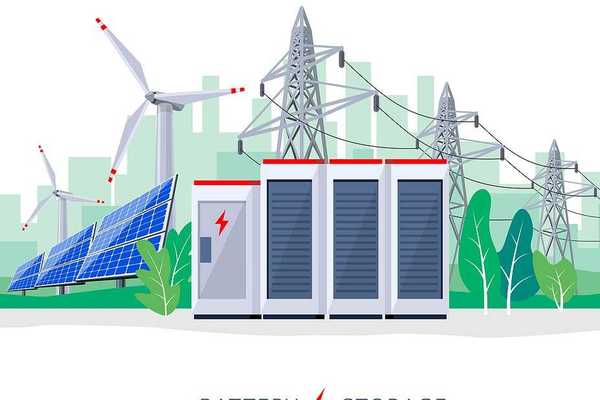
Credit: petovarga/BigStock Photo ID: 357758258
Tesla’s secret weapon is a giant metal box
Elon Musk’s car company is quietly poised to power the AI boom.
Newsletter

Credit: Masantocreative/Unsplash+
Claims that AI can help fix climate dismissed as greenwashing
Industry using ‘diversionary’ tactics, says analyst, as energy-hungry complex functions such as video generation and deep research proliferate.
Newsletter
Scientists use bacteria to recycle metals from old batteries for green tech
Scientists are using bacteria to extract rare metals from discarded batteries and electronic waste, a breakthrough that could support the future of green technology.
In short:
- University of Edinburgh researchers are using bacteria to recycle metals like lithium and cobalt from old electronics.
- These metals are crucial for electric cars, wind turbines and other green technologies, yet are in limited supply.
- Bacteria naturally latch onto and expel these metals, offering a sustainable recycling method.
Key quote:
“Bacteria are wonderful, little crazy things that can carry out some weird and wonderful processes.”
— Louise Horsfall, chair of sustainable biotechnology at the University of Edinburgh.
Why this matters:
The limited supply of rare metals needed for green technology is a major hurdle in combating climate change. Bacterial recycling could create a sustainable loop for these essential materials, reducing dependence on finite resources.
Be sure to read: Recycling critical metals from electronics could ease mining impacts
Keep reading...Show less
Newsletter
Tech alone won’t fix farm food waste without labor reforms
Farmers are using technology to reduce food waste, but without addressing labor abuses and immigration policies, these efforts fall short.
In short:
- New technologies like composting systems, anaerobic digesters, and AI programs are helping reduce farm food waste.
- Labor abuses and immigration issues remain significant obstacles to effective food waste management.
- Solutions include stricter enforcement of labor laws and pathways to citizenship for farmworkers.
Key quote:
“We got hit when we lost the crop. Growers who had invested millions of dollars got nothing in return. And once there were no longer any Florida tomatoes on the market, prices soared to over $20 a box.”
— Industry representative
Why this matters:
Addressing food waste requires technological advancements and significant labor reforms to ensure fair treatment of farmworkers and a stable agricultural workforce. When workers are treated fairly and protected by robust legal frameworks, they are more likely to perform their jobs effectively, leading to less food waste and a more resilient agricultural sector.
Keep reading...Show less
Newsletter
California town looks to carbon capture amid oil industry's decline
Kern County explores a novel approach to sustain its economy by leveraging carbon capture technology, shifting from traditional oil revenues.
In short:
- Les Clark III oversees the West Side Recreation and Park District in Taft, heavily funded by the local oil industry, which faces significant decline.
- California Resources Corporation proposes a carbon capture project to rejuvenate local jobs and maintain public services without relying on government bailouts.
- Skepticism remains among local communities about the safety and actual benefits of storing carbon dioxide underground.
Key quote:
"There’s some kind of window of opportunity, because the industry is trying to evolve."
— Les Clark III, manager of the West Side Recreation and Park District in Taft
Why this matters:
Carbon capture and storage technology, which involves capturing carbon dioxide emissions from sources like power plants and industrial processes before they enter the atmosphere and storing them underground, is gaining traction globally as a tool to combat global warming. For Kern County, which produces about 70% of California's oil, this technology could transform the very infrastructure that once bolstered its economy into a new, greener legacy.
Keep reading...Show less
ORIGINAL REPORTING

MOST POPULAR

CLIMATE