Grist: The race to defuse an oil 'time bomb' disaster threatening the Red Sea

Saqib Rahim writes for Grist that a UN plan to save the decaying FSO Safer and avert a spill four times larger than the Exxon Valdez is "only half a solution, but it’s better than nothing."


In a nutshell:

Since 2019, the United Nations has warned that the abandoned vessel Safer, which holds a million gallons of crude oil, could release its polluting cargo at any time, and that it is vulnerable to terrorist attacks. A massive release of oil could pollute the Red Sea for decades, even centuries, Rahim reports. But the war in Yemen prevented any action to secure the tanker, which is owned by the Yemeni national petroleum company SEPOC, until May. That's when a UN crew was permitted to board for the initial steps of an emergency operation, which finally appears to be getting under way.

Key quote:

“It is an operation for which there are no absolute safety nets. Let’s be very clear,” Achim Steiner, administrator of the United Nations Development Programme, said in May.

Big picture:

A spill from the Safer would create massive ecological and economic damage, from upending the livelihood of millions of fishers in the region, to the destruction of marine and aquatic ecosystems, to the release of toxic pollution into the air and water. It shows the vulnerability of the industry in conflict zones, and the dismissive attitude of politicians toward the environment, particularly during times of war. Stay tuned for updates.

A man working on wires on a data server

Data centers for AI could nearly triple San Jose’s energy use. Who foots the bill?

AI’s planned data-center boom is straining California’s grid forecasts and raising fears that customers could pay for upgrades if projects never materialize.
An illustration of stacks of coins and an arrow going up to a house on the tallest pile of coins

Nowhere to move: How climate change became the property market’s biggest nightmare

From plummeting house prices to insurable homes, climate change is impacting the property market around the world.
Three small children sitting in the shade eating ice cream

Extreme heat hampers children’s early learning

Children regularly exposed to temperatures over 30°C (86°F) have lower scores on literacy and numeracy tests at age 3 to 4, according to UNICEF data from six countries
NOAA research vessel in ocean
Photo by NOAA on Unsplash

As NOAA funding lags, a critical ocean weather system nears a breaking point

Officials warn that if regional Integrated Ocean Observing System readings go dark, coastal forecasts will become less precise, endangering commercial fishermen, cargo ships and coastal communities.
A city street filled with lots of traffic.

EU to ‘push back petrol car sales ban to 2040’

The European Union is set to push back its ban on the sale of new petrol and diesel cars by five years to 2040, piling pressure on the UK to rethink the automotive sector’s net-zero commitments.

Small motorized boat navigating ice-choked waters off the coast of Greenland

Dodging icebergs and storms on the hunt for an ocean tipping point

Scientists fear warming is driving a collapse in the ocean currents that shape climate far and wide. The ice-choked waters off Greenland might hold the key.
From our Newsroom
Multiple Houston-area oil and gas facilities that have violated pollution laws are seeking permit renewals

Multiple Houston-area oil and gas facilities that have violated pollution laws are seeking permit renewals

One facility has emitted cancer-causing chemicals into waterways at levels up to 520% higher than legal limits.

Regulators are underestimating health impacts from air pollution: Study

Regulators are underestimating health impacts from air pollution: Study

"The reality is, we are not exposed to one chemical at a time.”

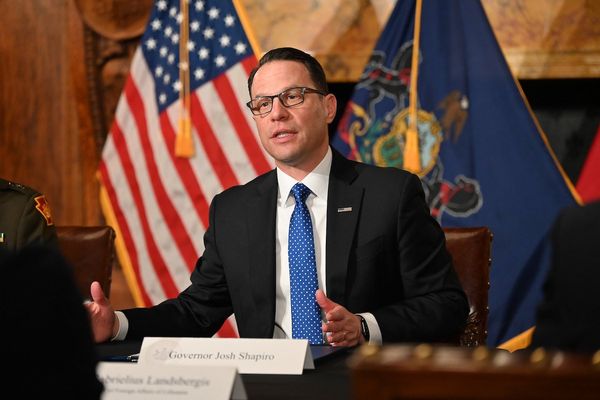
Pennsylvania governor Josh Shapiro speaks with the state flag and American flag behind him.

Two years into his term, has Gov. Shapiro kept his promises to regulate Pennsylvania’s fracking industry?

A new report assesses the administration’s progress and makes new recommendations

silhouette of people holding hands by a lake at sunset

An open letter from EPA staff to the American public

“We cannot stand by and allow this to happen. We need to hold this administration accountable.”

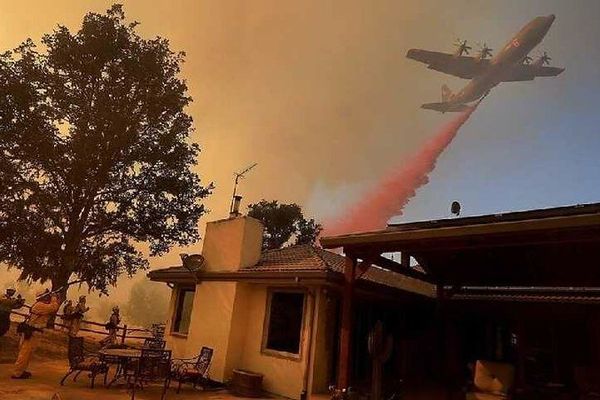
wildfire retardants being sprayed by plane

New evidence links heavy metal pollution with wildfire retardants

“The chemical black box” that blankets wildfire-impacted areas is increasingly under scrutiny.

Stay informed: sign up for The Daily Climate newsletter
Top news on climate impacts, solutions, politics, drivers. Delivered to your inbox week days.