

climate science

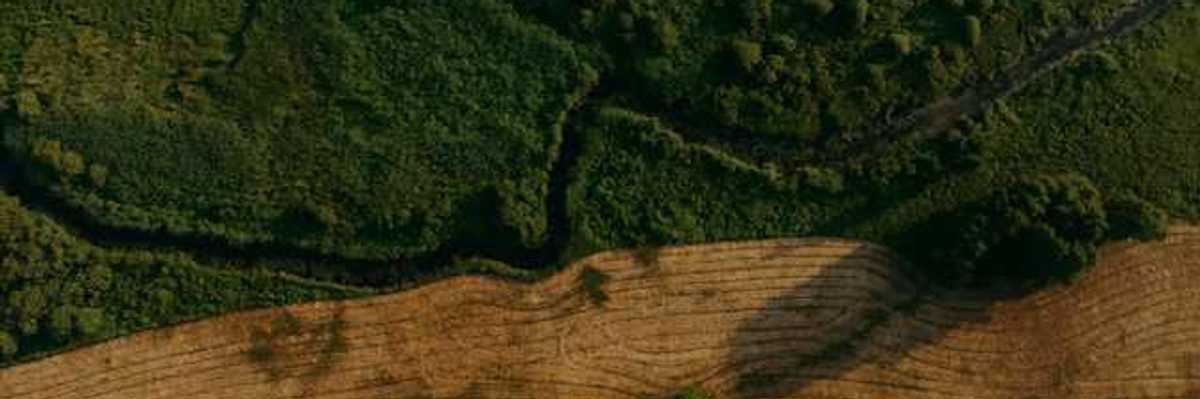

Credit: Stephen Mabbs/Unsplash
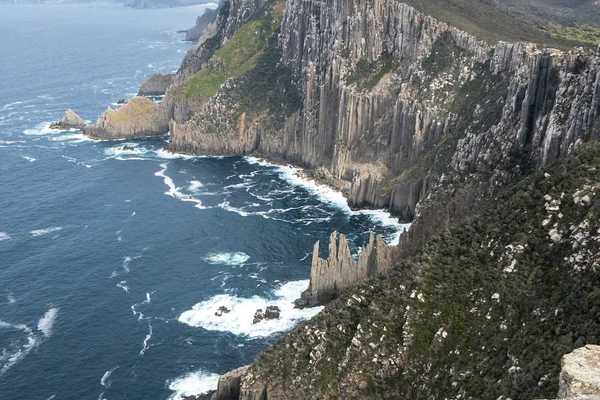
Tasmania's 50-year air record reveals true scale of humanity's impact on planet
Perched on Tasmania's wild north-west coast, Cape Grim has been quietly tracking the world's cleanest air for 50 years. Its data tell an interesting story about how our world has changed over half a century, including rare success stories.
Newsletter
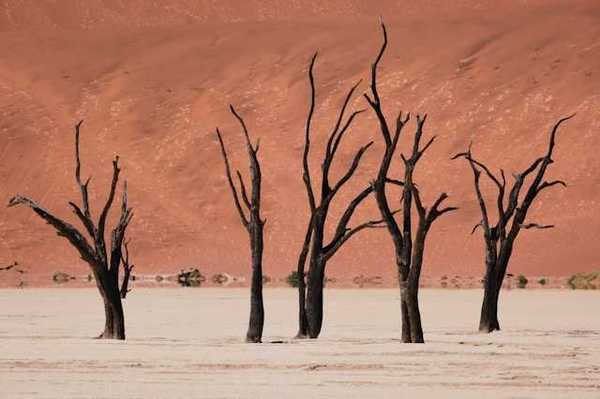
Credit: Joshua Kettle/Unsplash+
Heat waves that spark damaging droughts are happening more frequently
Heat waves that lead to sudden and damaging drought are spreading across the globe at an accelerating rate, highlighting how climate change-fueled extremes can build dangerously off each other.
Top Story

Credit: Raymond Kotewicz/Unsplash
Study says millions more are exposed to rising seas than thought
A new study in the journal Nature says most sea level rise research may have underestimated coastal water heights by an average of 1 foot or about 30 centimeters.
Newsletter
Unexpected temperature spike raises concerns among climate experts
Climate scientists are grappling with a sudden, unpredicted surge in global temperatures, which may signal a shift in the Earth’s climate system.
In short:
- A recent 13-month temperature spike has outpaced global heating predictions, leaving scientists uncertain.
- Experts are concerned this could indicate a fundamental change in the climate system, not just a temporary anomaly.
- Scientists are particularly alarmed by the potential loss of Earth's albedo, reducing the planet's ability to reflect heat.
Key quote:
“As climate change continues, every decade it gets warmer, the impact is larger and the consequences are greater.”
— Gavin Schmidt, director of NASA Goddard Institute for Space Studies
Why this matters:
Unexpected shifts in climate patterns suggest we may be underestimating the speed and severity of global warming. The inability to predict such changes could hinder effective policy responses to future climate crises.
Related coverage:
Keep reading...Show less
Newsletter
Scientists rush to save historical data locked in melting glaciers
As glaciers worldwide melt, scientists are scrambling to retrieve vital ice cores that hold historical climate records before they are lost forever.
In short:
- Researchers are urgently retrieving ice cores from glaciers worldwide, as warming temperatures melt and corrupt these historical climate records.
- The Ice Memory Foundation aims to store ice cores in Antarctica to protect them from further damage.
- The Foundation's goal is to get cores from 20 glaciers around the world in the next 20 years and lock them away in an ice cave in the Antarctic.
- Many glaciers have already lost valuable data, raising concerns about the future availability of these critical climate archives.
Key quote:
"When you are standing on a glacier that’s literally melting under your feet, you really feel the urgency.”
— Margit Schwikowski, environmental chemist at the Paul Scherrer Institut in Germany and scientific lead for the Ice Memory Foundation.
Why this matters:
Preserving glacial ice cores is important for scientific understanding of historical climate patterns and predicting future environmental changes that can influence global efforts to combat climate change and protect public health. Read more: People are flocking to see melting glaciers before they're gone—bringing both benefit and harm.
Keep reading...Show less
Newsletter
Hours before first presidential debate, EPA head addresses past setbacks and future challenges
U.S. Environmental Protection Agency Administrator Michael Regan aims to reassure employees about the agency's future and rebuke past efforts to undermine climate science.
In short:
- EPA Administrator Michael Regan will address employees today, just a few hours before the first presidential debate between Joe Biden and Donald Trump, about the agency's recovery since Trump sidelined climate scientists and slashed staff.
- Regan will highlight the hiring of 5,200 new employees under Biden and emphasize the need for a robust EPA amid escalating climate crises.
- New protections have been implemented to shield EPA research from political interference in anticipation of potential future challenges.
Key quote:
“The previous administration ambushed scientific integrity — undermining our agency’s most fundamental principles.”
— Michael Regan, EPA Administrator.
Why this matters:
The future relevance of the EPA is crucial for maintaining scientific integrity and addressing climate change, especially with ongoing extreme weather events and the looming threat of policy reversal under a potential second Trump term. Read more: EPA’s “scientific integrity” program lacks teeth, group alleges.
Keep reading...Show less
Astronomers join the battle against climate change
Astronomers are increasingly applying their skills to address climate issues, demonstrating the versatility of their scientific expertise.
Katrina Miller and Delger Erdenesanaa report for The New York Times.
In short:
- Astronomers have observed the impact of climate change on their field, prompting some to shift their focus towards Earth-based issues.
- Initiatives like Astronomers for Planet Earth and various educational efforts highlight the community's proactive stance on environmental activism.
- Notable figures in astronomy, including former Australian chief scientist Penny Sackett, have become prominent advocates for addressing climate change.
Key quote:
“I’m still kind of angry that, because of policymakers not doing enough to stop global heating, I felt compelled to leave astrophysics and become the climate scientist.”
— Peter Kalmus, climate scientist at NASA’s Jet Propulsion Laboratory.
Why this matters:
The involvement of astronomers in climate science is indicative of the urgent need for diverse scientific perspectives in combating global environmental challenges. Their unique insights help illuminate the broader implications of climate change, impacting policy and public awareness on a global scale. Read more: Unconventional pathways to science, with Dr. Katharine Hayhoe.
Keep reading...Show less
ORIGINAL REPORTING


MOST POPULAR

CLIMATE