New poll shows Americans bracing for more dangerous weather events

More than half of Americans believe extreme weather is growing worse, and nearly a third fear they’ll be directly affected, according to a new national poll.

Susan Page reports for USA TODAY.


In short:

  • A USA TODAY/Ipsos poll found 58% of Americans think extreme weather is worsening, with 30% reporting recent personal experience of events like floods or severe storms.
  • While most Americans believe climate change is reversible, 56% think people aren’t willing to make the necessary changes; only 18% believe progress is being made.
  • Political divides persist, with 84% of Democrats and 38% of Republicans expecting more frequent extreme weather, though concern is rising among all groups.

Key quote:

"Record-breaking heat waves on land and in the ocean, drenching rains, severe floods, years-long droughts, extreme wildfires, and widespread flooding during hurricanes are all becoming more frequent and more intense."

— NASA report

Why this matters:

As the planet warms, scientists warn that what once were rare weather events are becoming regular threats. Flash floods, prolonged droughts, and searing heat waves can devastate infrastructure, disrupt food and water systems, and endanger human health—especially for low-income communities and people with chronic illness. The public’s growing fear reflects not just news coverage but lived experience: heat domes in the Pacific Northwest, toxic smoke from Canadian wildfires, and historic flooding in places like Texas Hill Country. These events also strain emergency services, raise insurance costs, and threaten the habitability of some regions. Public concern may be growing, but without policy change and reduced fossil fuel use, the physical toll of climate disruption will keep rising.
Related: Americans pay a steep price for weather disasters

A picture of a hurricane from space

10 ways climate-change-altered hurricanes may come to bite us

What happens if sea level rise, hurricane wind strength, or other factors turn out worse than expected?
Power plant beside a river and forest

What the science really says about the health and climate risks of carbon pollution

The Trump Administration has rolled back a major climate rule, falsely claiming greenhouse gas emissions from power plants do not impact the climate or human health.
A safari vehicle on the African savannah

Kenya: A small village takes on an oil giant

More than 50 years after oil drilling was carried out, Kenya's Kargi community is suing BP, alleging contaminated water contributed to cancers and livestock deaths.
A satellite image of a hurricane approaching the east coast of the United States

10 ways climate-change-altered hurricanes may come to bite us

What happens if sea level rise, hurricane wind strength, or other factors turn out worse than expected?
A view of a factory with smoke emitting from the smokestacks into a gray sky

Carbon sequestration moves forward in SW Louisiana despite Landry moratorium

Despite a moratorium Gov. Jeff Landry issued last October in response to fierce backlash from his own rural constituents, carbon sequestration in Southwest Louisiana continues.

An illustration of large battery storage boxes

‘Huge step forward’: Illinois inches closer on battery storage, solar goals

For Illinois to meet its ambitious decarbonization goals, the state’s energy grid will need more battery storage to make use of solar and wind power when the sun doesn’t shine and wind doesn’t blow.

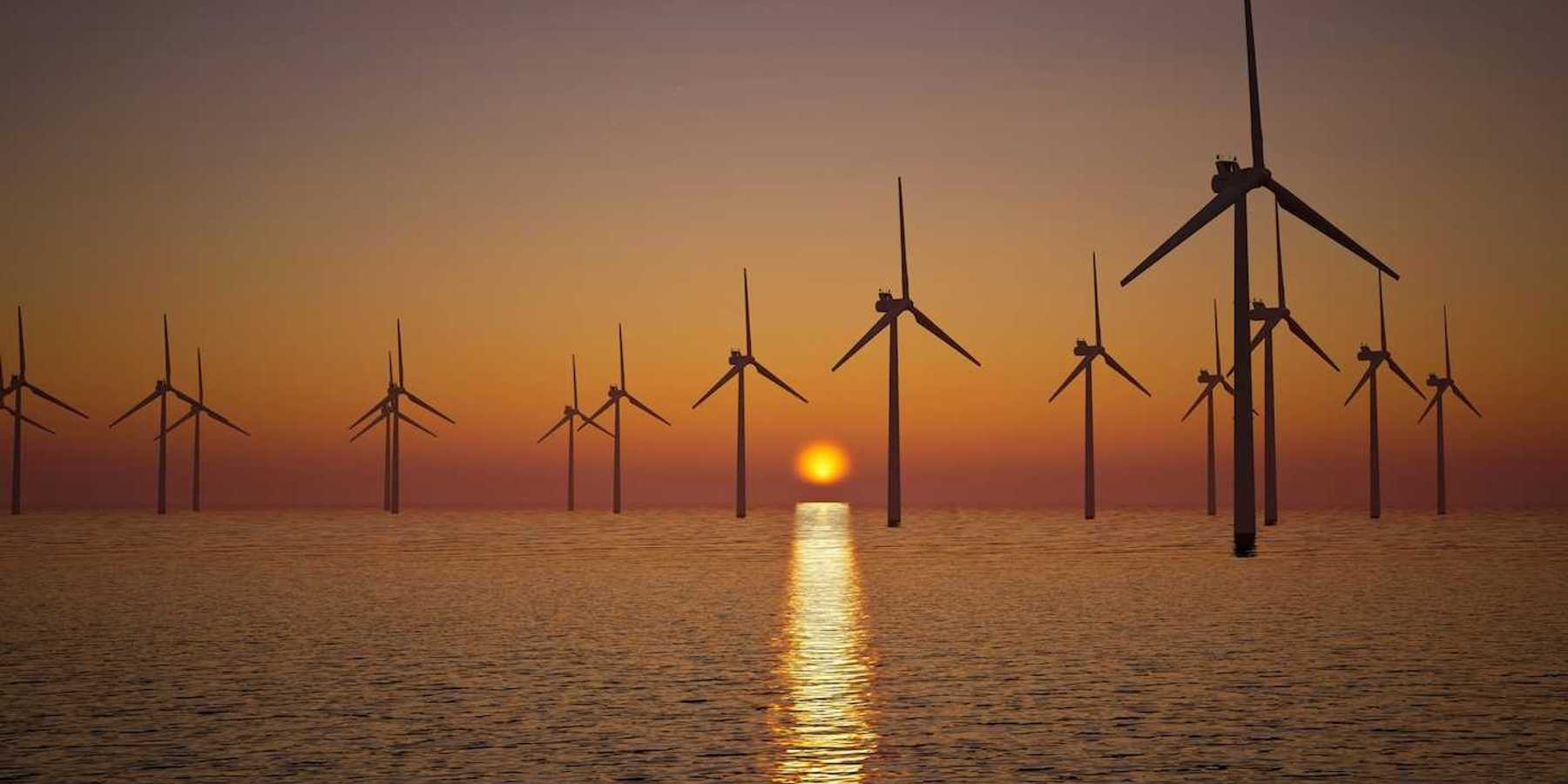
A view of offshore wind turbines with the sunset in the background

10 promising ways to ‘green’ offshore wind

Offshore wind is expanding as an important renewable energy source that many experts say is essential to meeting climate goals.

From our Newsroom
Multiple Houston-area oil and gas facilities that have violated pollution laws are seeking permit renewals

Multiple Houston-area oil and gas facilities that have violated pollution laws are seeking permit renewals

One facility has emitted cancer-causing chemicals into waterways at levels up to 520% higher than legal limits.

Regulators are underestimating health impacts from air pollution: Study

Regulators are underestimating health impacts from air pollution: Study

"The reality is, we are not exposed to one chemical at a time.”

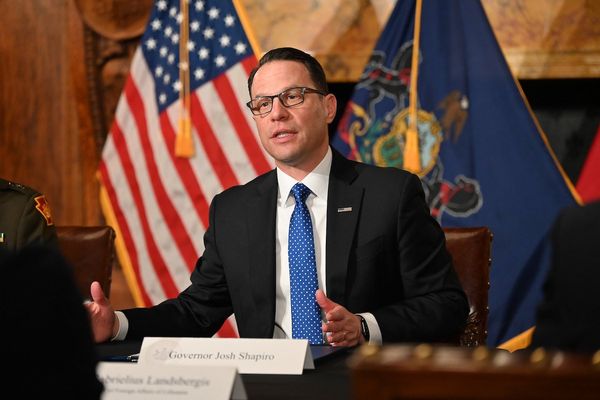
Pennsylvania governor Josh Shapiro speaks with the state flag and American flag behind him.

Two years into his term, has Gov. Shapiro kept his promises to regulate Pennsylvania’s fracking industry?

A new report assesses the administration’s progress and makes new recommendations

silhouette of people holding hands by a lake at sunset

An open letter from EPA staff to the American public

“We cannot stand by and allow this to happen. We need to hold this administration accountable.”

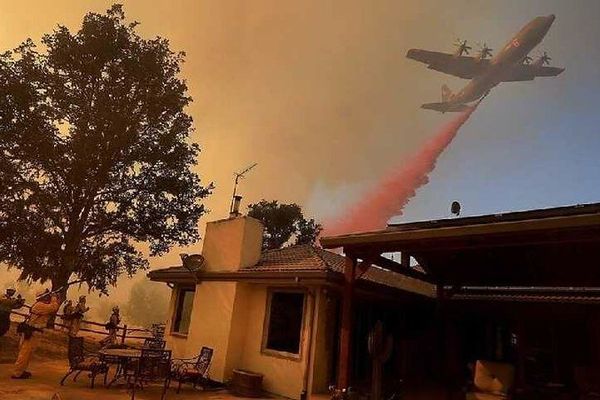
wildfire retardants being sprayed by plane

New evidence links heavy metal pollution with wildfire retardants

“The chemical black box” that blankets wildfire-impacted areas is increasingly under scrutiny.

Stay informed: sign up for The Daily Climate newsletter
Top news on climate impacts, solutions, politics, drivers. Delivered to your inbox week days.